



ABS focuses on environmental performance
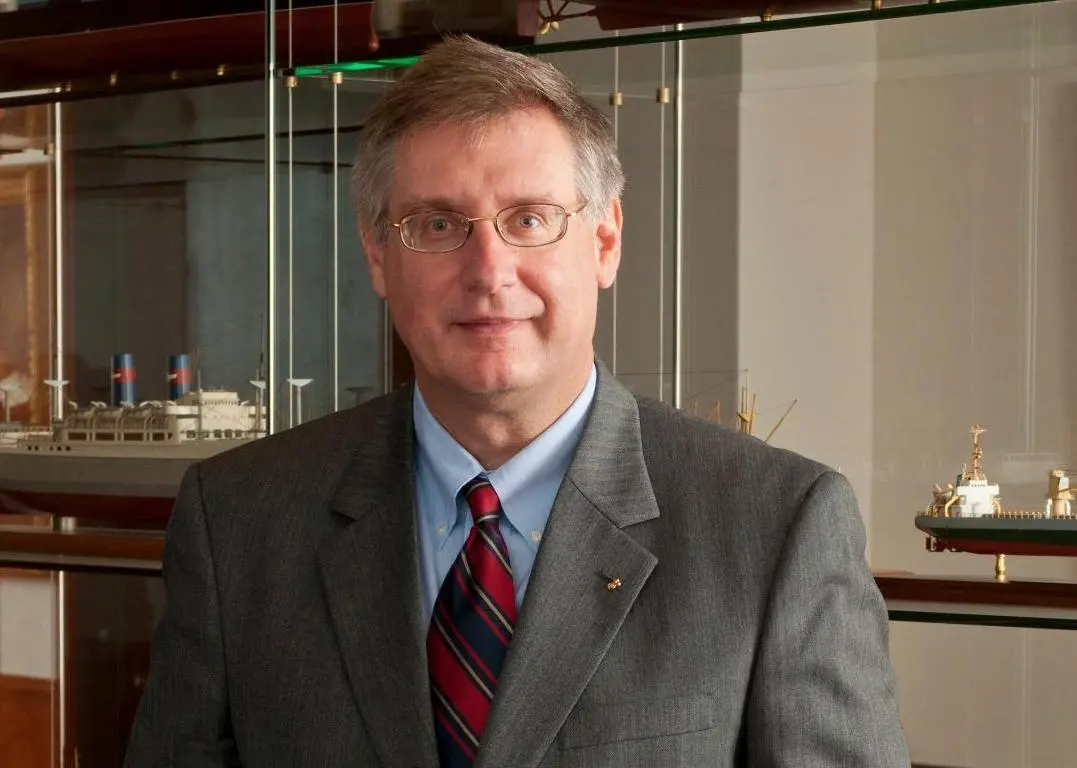
The group, which ABS describes as a “hand-picked leadership team bringing more than 120 years of collective experience to the table” will take on the critical shipping issues of operational performance, energy efficiency and environmental compliance.
The team’s technical capabilities will assist clients needing to assess the energy efficiency and fuel consumption of new and existing vessel designs. In addition to optimising vessel performance, the team will support the existing Environmental Solutions Group to address changing requirements for ballast water, biofouling and air emissions, as well as emerging issues surrounding LNG as fuel.
The new department is headed by Howard Fireman, with the job title vice president, operational and environmental performance. He comes from the US Navy, where he has served for over 35 years as chief naval architect and director of surface ship design and systems engineering. He brings experience in ship design, hull form optimization, total ownership cost, systems engineering, design integration, research and development, and operational support.
Another key member is Dr Jan de Kat, director of energy efficiency, who previously spent 18 years at the Maritime Research Institute Netherlands (MARIN) where he served as head of R&D. Dr De Kat is a former head of innovation and senior technical advisor for A.P. Moller-Maersk.
Dr Jakob Buus Petersen, director of vessel performance, is another former Maersk manager; as head of the vessel performance department within Maersk Maritime Technology he administered the company’s vessel performance management system.
The management team is completed by senior vice-president Peter Tang-Jensen, a naval architectwho has held senior positions in ABS overseeing the technology development group and containership programs. He was previously executive vice-president of Odense Steel Shipyard.
“The shipping industry continues to deal with a weak and challenging market. Vessels and assets have to be designed and operated to achieve optimal performance throughout their entire life cycle,” said ABS president and CEO Christopher J Wiernicki. “ABS recognises that designers, builders, owners and operators in the marine and offshore industries face a challenging combination of increasing regulatory requirements and operational cost pressures. This department is a commitment to our clients that we will assist them in meeting these challenges. ABS has brought together the top industry talent to take on ship performance issues. Their collective leadership experience and technical capability are two solid reasons for the industry to continue to look to ABS to help develop solutions to its toughest and most complex challenges.”
ENERGY CERTIFICATION
ABS says that it has recently issued certificates in accordance with the ABS Guide for Marine Health, Safety, Quality, Environmental and Energy (HSQEEn) Management to several maritime companies. The first HSQEEn certificate was issued to by ABS to Maersk Line USA, and this has been followed by recognition for. Gaslog LNG Services, Consolidated Marine Management and Goodwood Ship Management. The certification recognises that these companies are exceeding maritime industry requirements for energy efficiency and establishing systems that will allow them to manage operations that align with increased environmental awareness.
ABS’ HSQEEn energy management requirements are based on the ISO 50001:2011 international standard for energy management systems; the ABS standards are somewhat higher, and are said to demonstrate that recipients establish an energy baseline, demonstrate energy reductions, and create energy goals and action plans.
In addition, energy management certification to the ISO 50001:2011 standard as been issued by associate company ABS Quality Evaluations to TMS Tankers.
DP NOTATIONS
Meanwhile, ABS has released its Guide for Dynamic Positioning Systems to reflect industry advances in the use of DP systems. The new Enhanced System (EHS) notation encourages robust designs of DP systems by providing optional requirements. It includes requirements for power, control and fire protection, and offers an optional notation for station-keeping performance (SKP). This, says ABS, allows owners to select equipment or environmental criteria specific to intended iperational areas, for example North Sea conditions. The guide includes detailed procedures for assessing available thrust, taking into account thruster interactions (thruster-thruster, thruster-hull, thruster-current), which is said to be especially useful in the early stages of design.
Related Articles
 METHANOL
 MONITORING, CONTROL & DIGITALISATION
 MONITORING, CONTROL & DIGITALISATION