



PIB discharge problem
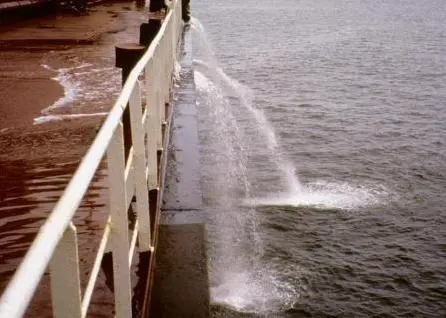
This comes as the number of recorded seabirds washed up along the English Channel covered in the chemical has passed 4,000.
The Maritime and Coastguard Agency (MCA) is carrying out an investigation into why PIB was present in the sea in such large amounts and if a ship was responsible for discharging it into the water.
Currently, it’s legal to discharge PIB in small quantities, based on certain conditions set out by the international MARPOL Convention (International Convention for the Prevention of Pollution from Ships).
Grahame Madge, RSPB spokesperson, said to The Motorship: “PIB was put on the Annex because it’s not toxic but it’s not its toxicity that’s in question, it’s the quality it has of emulsifying when in contact with seawater. This wasn’t originally tested and is something that’s only come up in the past couple of years.”
The impacts of PIB on marine ecosystems and the amount of PIB released as part of legal shipping operations, are not well known or understood. But according to the UK Chamber of Shipping, banning PIB discharge could have a big impact on shipping.
Gemma Wilkie, UK Chamber of Shipping, told The Motorship: “If the discharge of PIB at sea was banned, PIB would move into a higher category of chemical cargo and ships would have to spend longer pre-washing their tanks at port facilities so that there would be no discharge at sea. This would extend port turnaround times and the costs that go with that.”
Related Articles
 ALTERNATIVE FUELS & LUBRICANTS
 GENERAL NEWS
 GENERAL NEWS