



Brittany Ferries quandary
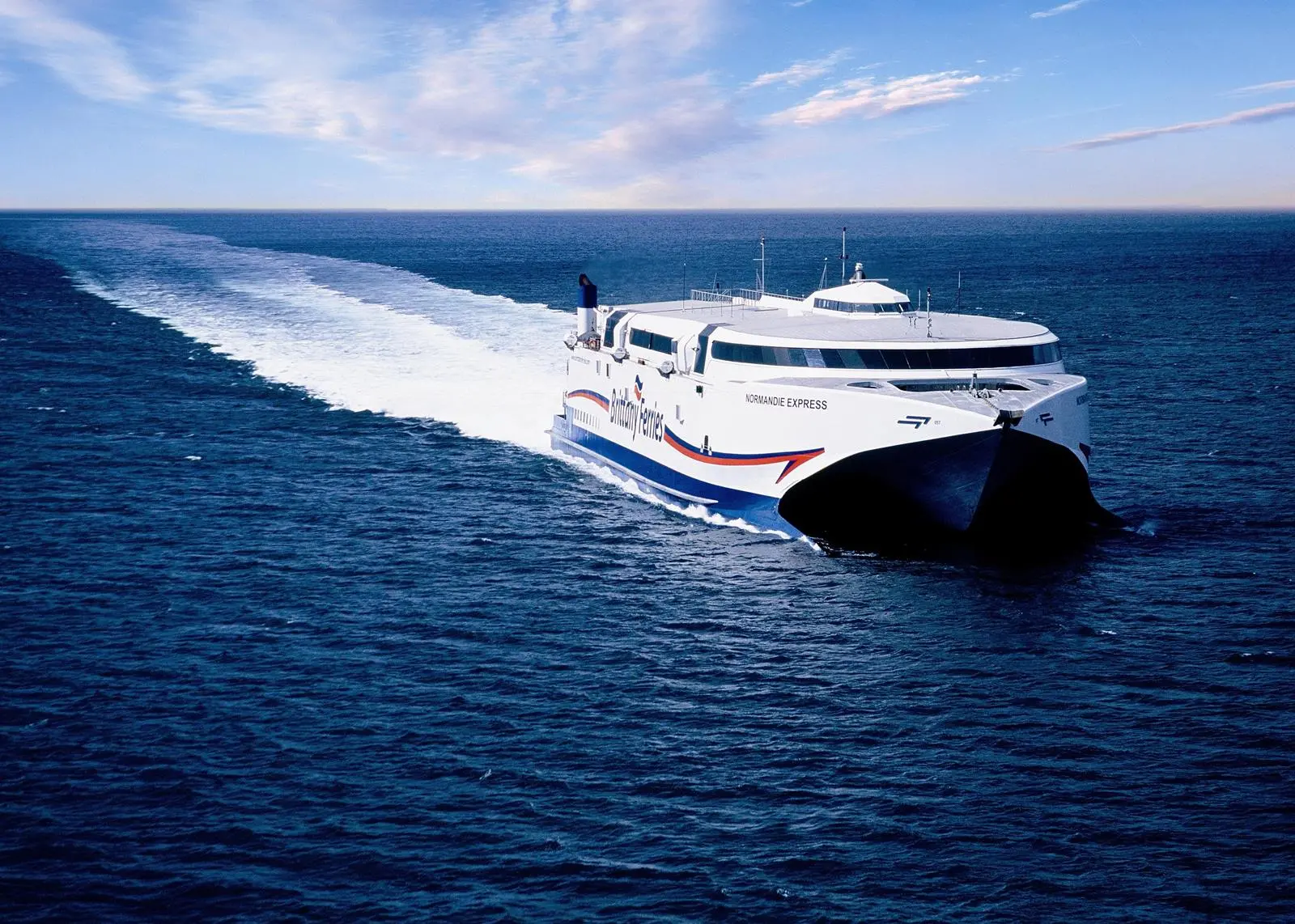
The problem is, the operator says, the new directive due to come into force in 2015 which will require ships’ fuel sulphur levels in ECAs, which include the English Channel, to be reduced further from the original 3.5% (the current ECA limit is 1%) to 0.1%. The Normandie Express, which will operate the Fastcat service between Portsmouth and Cherbourg/Le Havre, uses distillate fuel so is less affec ted than the HFO-burning conventional ferries.
Stephen Tuckwell, Brittany Ferries, said: “The 2015 deadline will leave insufficient time to invest in alternative technologies. We are already looking at other fuel solutions such as LNG, but there is no supply chain in place and this is only likely to be viable for new ships from 2020.”
Mr Tuckwell says that the only current technical alternative is to fit ships with sulphur scrubbing technology but, after years of trials and development, it is still not proven that scrubbers can reduce sulphur emissions by the required amount.
He stresses that fuel accounts for a large proportion of the company’s costs – around £65m per year. If the directive goes ahead as planned it will see its fuel costs rise by 60% – to more than £100m.
“We would be faced with no alternative other than to raise our passenger fares and freight rates, which is obviously undesirable. We’d also have to consider reducing services as demand falls and we trim capacity – this could potentially affect any of our ports, including Portsmouth,” he said.
Brittany Ferries and its fellow operators at Portsmouth, DFDS Seaways and Condor Ferries are appealing to the UK governement to get a five year extension to the deadline.
It has been reported that the French authorities have agreed to a delay until 2020, as long as the British government agrees too; however at the recent Motorship Propulsion & Emissions Conference in Copenhagen, keynote speaker Arsenio Dominguez, the vice-chairman of IMO’s Marine Environment Division, stressed that “non-compliance will not be an option”.
Related Articles
 ALTERNATIVE FUELS & LUBRICANTS
 GENERAL NEWS
 GENERAL NEWS