



Monitoring for safety with bio-fuels
However, as familiarity with bio-fuels grows it is likely that the challenges they pose can only be effectively overcome and managed with the introduction of fuel conditioning monitoring systems. Likely problems include dislodged fuel debris and other contaminants which may have accumulated over time during storage, as well as damage to components caused by inferior or low-grade fuels.
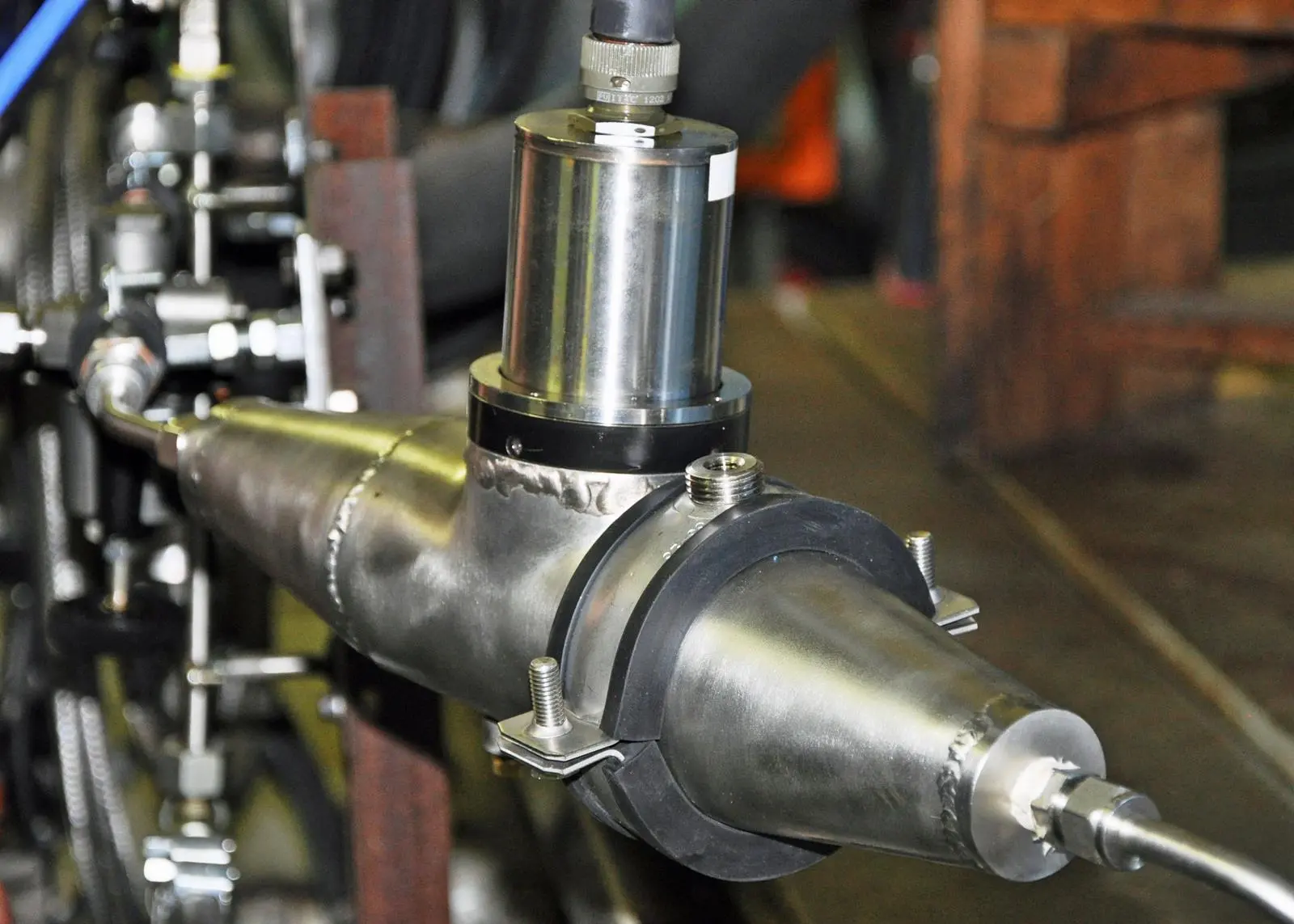
CMR has introduced its Niris fuel quality smart sensor for use on electronically fuel injected marine diesel engines. The technology is based on near infra-red spectrometry which performs continuous in-line analysis of fuel, measuring over 20 different fuel quality parameters. Hydro carbon profiler technology measures the molecular structure of the fuel, continuously transmitting information to the ECU to allow real time optimisation of injection, combustion and post-treatment for all types of fuel, including bio-fuels.
The technology is based on a combination of infrared hardware and data treatment software, brought together in a compact package that can be mounted on the engine and connected to other control systems. It is said to deliver advanced monitoring capabilities, financial savings and better emission control.
The forthcoming IMO MARPOL Annex VI Tier III will produce further challenges for engine control and management, which has led to companies like CMR developing high performance local operating panels (LOP) for engines. These incorporate the smart innovative monitoring system SIMS and can process and displaying all user defined engine parameters, trigger local alarm outputs, update the alarm list and store events in the log book. Built upon modular architecture, a LOP operates with acquisition unit and human to machine interface (HMI) modules. They can be used for I/O, engine monitoring, controls, pumps, compressors applications and are engineered to ensure compliance. They feature technology to manage simultaneously the functions of safety/shutdown and condition monitoring in a single integrated control system.
The benefits provided by this technology can be seen in two distinct applications: The first is a vessel featuring a single propulsion engine where the redundancy of the controller is compulsory. In this instance, the LOP has to manage at the same time, and in real time, dual controllers. The CMR device is equipped with two CAN networks, enabling the system to continuously manage the parameters of the electronic control modules (ECM), monitor the communications and display the main controller parameters on the engine.
The second example concerns simultaneous management of several communication protocols available on engines or ships – CANopen / SAEJ1939 / Modbus TCP/IP / Ethernet which are all embedded on CLARINUX SW, SIMS’ OS allows LOP to manage the communication with engine parameters (T°/pressure/speed) through I/O modules, ECM and sometime the propulsion system by reading and writing messages both ways.
LOP systems have been supplied by CMR to customers of controller manufacturers including Bosch, Woodward, Heinzmann, Caterpillar and MTU.
Related Articles
 PROPULSION
 GENERAL NEWS
 GENERAL NEWS