



BIMCO conference hears from shipping industry
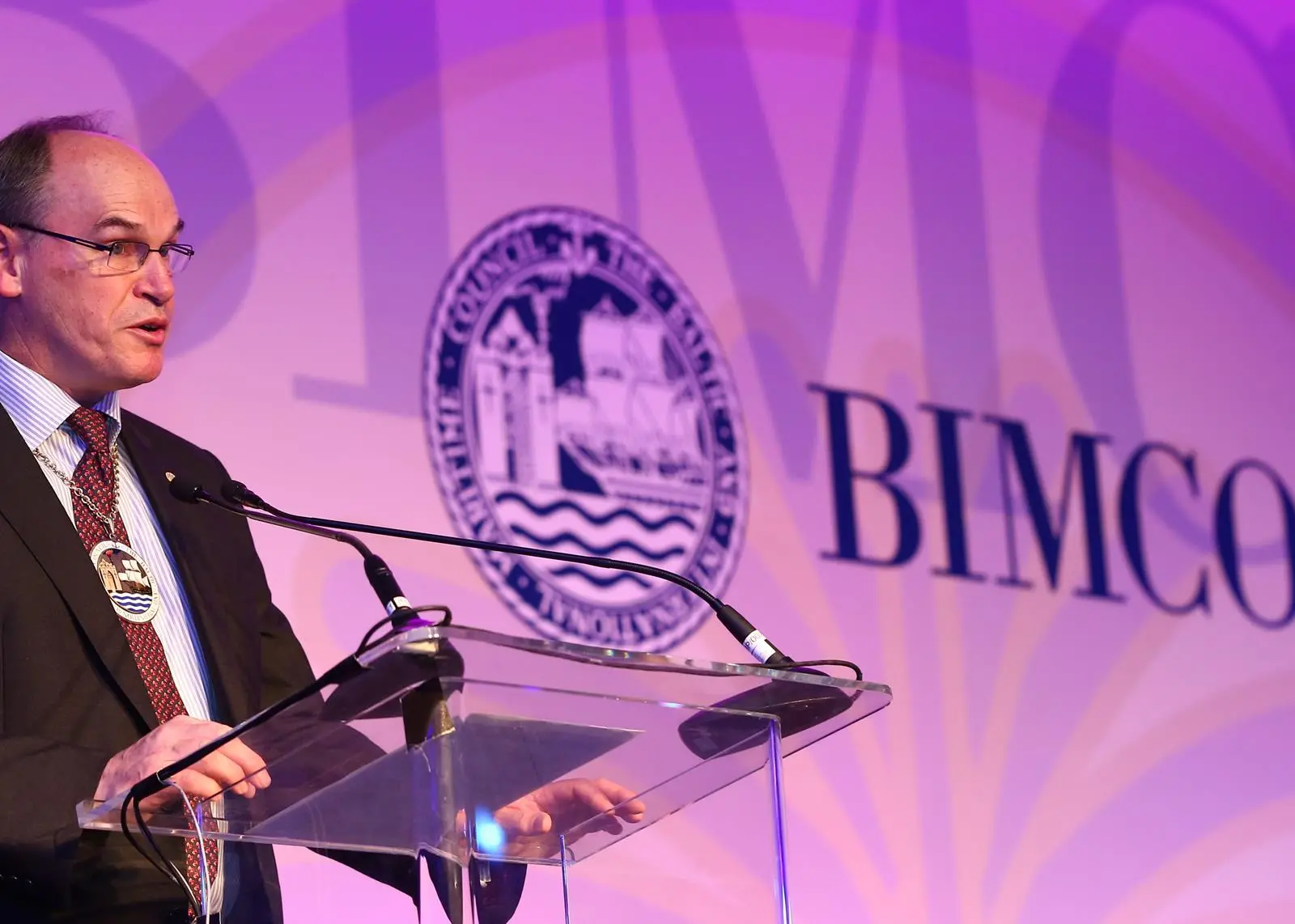
The first part of the session looked at ballast water management, hearing first the latest developments and case studies from Wärtsilä, Alfa Laval and ClassNK, which have been responsible for the development of systems for ballast water management on a range of vessels globally.
Critical decision for shipowners were highlighted in this area, not just which type of system they should choose, but when to invest and implement the system.
It was stressed that the choice of systems depends on the type of ships, its operation and the route of its voyages, but the question of US Coast Guard (USCG) type-approval remained a clear reason for shipowners to wait until investing.
No ballast water management system has yet been type-approved by the USCG – it has only approved products to the level of an alternative management system (AMS). But any AMS installed now might have to be removed if its does not obtain final USCG type-approval when the IMO Ballast Water Management Convention comes into force. Speakers seemed to expect that most owners will therefore wait to benefit from further development and invest a fully approved system.
The second part of the session focused on the viability of future fuels, with a wealth of information from MAN Diesel and Turbo, Clean Marine Technology, ABS, RINA, DNV-GL and Wärtsilä and Alfa Laval, on the pros and cons of LNG, ship electrification, HFO, MGO and biofuels – ranging from available supply, cost, potential future regulation and financing for future fuels.
But, only a minority are fully committed to a future with LNG, while most are in favour of slow steaming – and a change in onboard culture – to reduce consumption and save energy.
A full report on the session will be published in the next edition of the BIMCO Bulletin.
Related Articles
 ALTERNATIVE FUELS & LUBRICANTS
 GENERAL NEWS
 GENERAL NEWS