



‘Stena Germanica’ confirmed to run on methanol in 2015
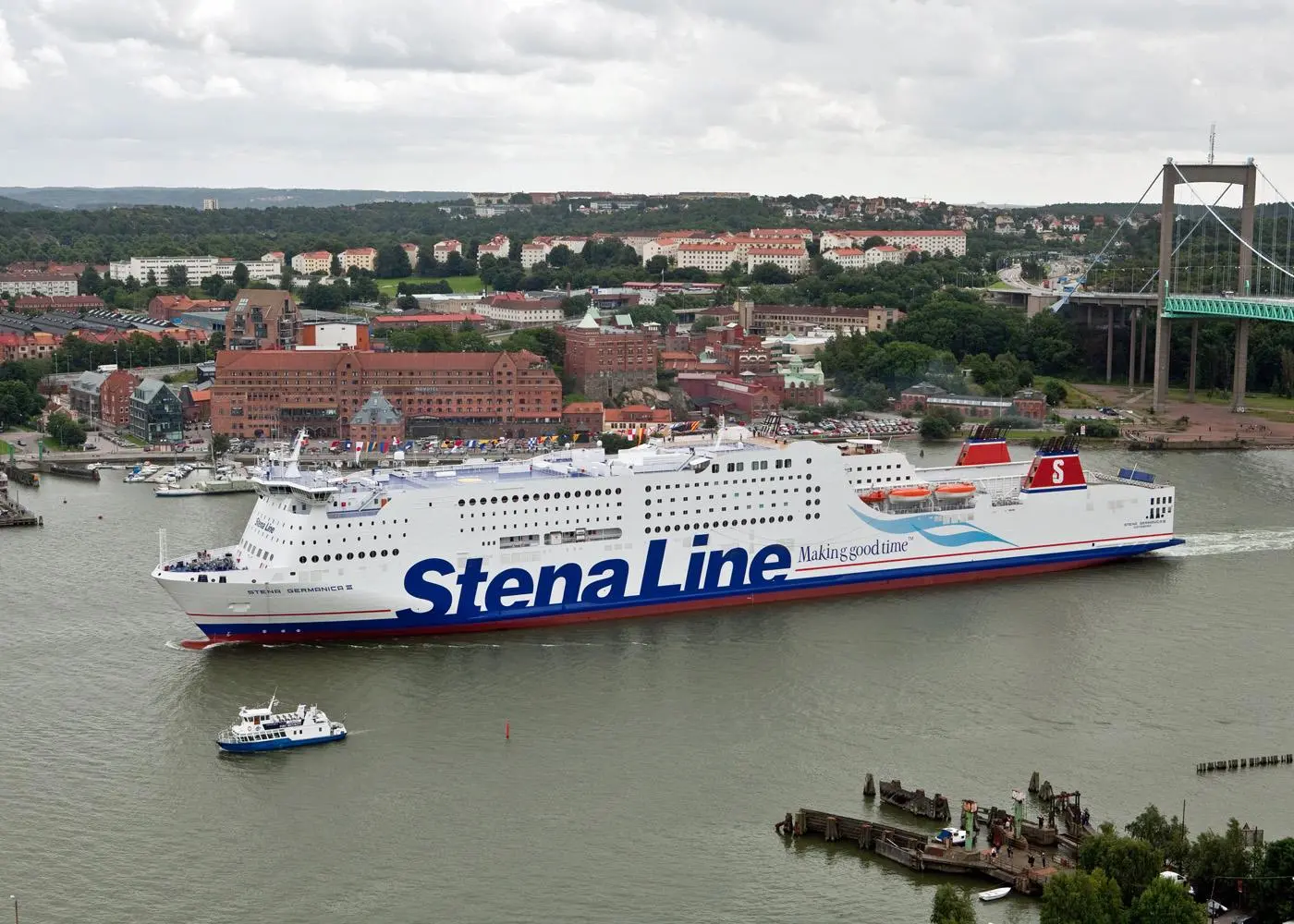
The aim of the exercise is to drastically cut exhaust emissions on the ship which operats between Gothenburg and Kiel. The conversion is to be carried at Remontowa in Poland, with the aim of becoming the first ship of its type to run on methanol when completed in early 2015. The project is being undertaken in conjunction with engine builder Wärtsilä, the ports of Gothenburg and Kiel and gas supplier Methanex.
The six-week conversion, expected to cost around €22million, will get underway at Remontowa in January 2015, and is being financially supported by the EU “Motorways of the Seas” initiative. Wärtsilä has developed a conversion kit for the 32,000bhp 8ZAL 40S MD four-engine plant in co-operation with Stena Teknik. The engines will be equipped for dual fuel operation, running primarily on methanol, but with the ability to use MGO.
Methanol offers similar environmental advantages to LNG but offers simpler handling and less complex infrastructure requirements. It can be produced from natural gas, coal, biomass or even, according to Stena, from CO2.
“At Stena Line we are extremely proud of contributing to the development of our industry. Our focus has always been on innovation for the benefit of both customers and society at large and this is a prime example when this goes hand in hand. We are constantly evaluating different fuels for the future and to be first in the world with a methanol conversion is a big step towards sustainable transportation. The project has been possible thanks to the great teamwork and collaboration between our technical staff, Wärtsilä and Methanex”, said Carl-Johan Hagman, CEO of Stena Line.
In parallel with the change to low-sulphur oils, Stena Line is running a number of projects to look at other alternative fuels and different techniques for emission purification such as LNG, electric propulsion and scrubbers.
“Due to our size we have a broad perspective on handling the new sulphur regulations and it is likely we will use some different types of solutions in the coming years. However, based on the results of the methanol project we are intending to convert additional ferries, said Mr Hagman. “It is a project that involved several companies in the Stena Sphere, which makes it very special for us. Stena Line, Stena Teknik, Stena Bulk, Stena RoRo and Stena Oil have all been involved with their respective areas of expertise. This internal collaboration made this possible. Naturally, adapting and converting Stena Lines fleet of some 40 ferries to the new regulations in the near future is a very tough task which will both take time, effort and money.”
Related Articles
 ALTERNATIVE FUELS & LUBRICANTS
 GENERAL NEWS
 GENERAL NEWS