



German LNG ships delayed
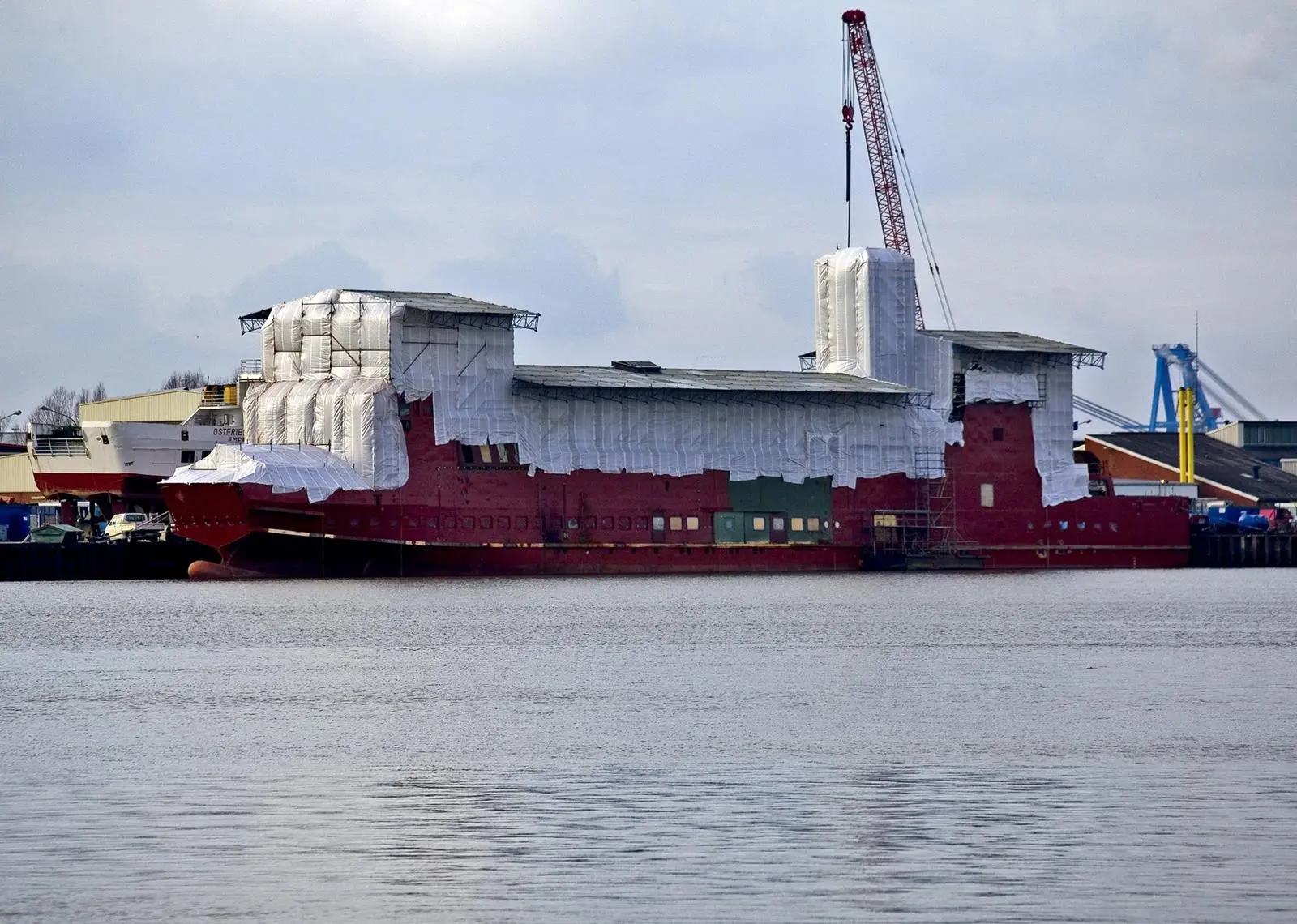
The €13 million “technically challenging” conversion of the ferry Ostfriesland to LNG propulsion, along with parallel lengthening, had originally been due for completion at Bremen’s BVT Shipyard last November. But AG Ems spokeswoman Corina Habben told The Motorship the vessel, the first German flag ferry fuelled by LNG, would not now enter service until March.
She said: “The yard apparently underestimated the construction requirements of the new technology so we began with a time-frame that proved untenable. In addition, we are dealing with a completely new technology on the German market.”
Habben noted that many technical system components were having to undergo individual acceptance scrutiny, which added further time to the work. “This is such an innovative project that patience really is the order of the day,” she added.
The EU is contributing €3.07 million to the LNG installation and the creation of a port infrastructure for Ostfriesland, which is being retro-fitted with two Wärtsilä W20DF engines and a gas tank LNGPac. The ship also boasts Schottel pods developing 15.5 knots. The lengthening, by more than 14m to 94m, is to house the new propulsion plant and increase vehicle capacity.
The second delayed AG Ems ship is a €30 million 83m ferry, the first passenger/cargo newbuilding of its kind in Germany.
“It had been planned to put that ship into operation at the end of May,” said Habben. “But it looks like it will be June before we start Heligoland service.We in Germany are entering new territory with this. We also need to pay a lot of attention to the regulatory framework – and that is a good thing”.
The Heligoland ferry is being built at Fassmer on a Polish hull. It will have two 9-cylinder Wärtsilä 20DF medium-speed engines of 5,000kW output developing a top speed of 20 knots. The EU has put €4.2 million towards the new LNG system – half the €8.35 million cost of building and installing it.
Related Articles
 EMISSIONS REDUCTION TECHNOLOGY
 ALTERNATIVE FUELS & LUBRICANTS
 ALTERNATIVE FUELS & LUBRICANTS