



Integrated operations centre enhances ABB monitoring
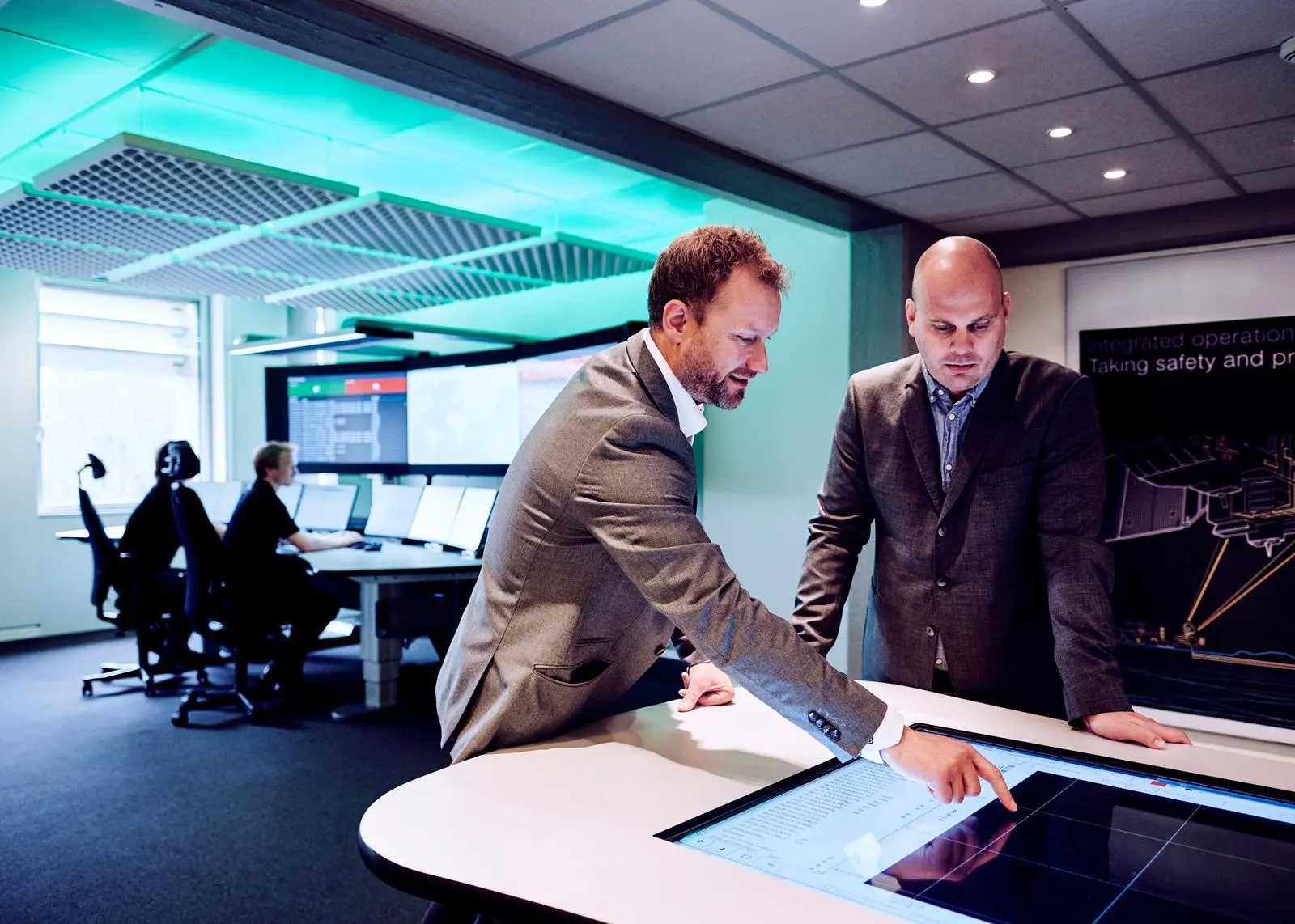
The facility enhances the remote diagnostics service that allows ABB engineers a high degree of insight into the performance of propulsion and power solutions via a satellite link to sensors onboard vessels. ABB claims that it can identify issues with equipment faster than crew, directing onboard engineers or electrical personnel to faults and providing solutions often without needing to send a shore-based specialist to the ship.
The integrated operations service is offered as part of the purchase of ABB systems, with discussions on further subscription once the warranty on the equipment expires. Richard Windischhofer, vice president of integrated operations, ABB Marine & Ports, claimed that all the solutions offered by the centre had a payback period of less than a year, and that the costs avoided during just one vessel incident would justify the service fee.
Integrated operations enable remote troubleshooting and can inform judgements about the ship’s performance and maintenance plan. ABB claims that ship owners can use the service to implement a way of working that saves up to 50% on dry docking costs on ABB equipment if monitoring, pre-survey, and project execution are managed in cooperation with the company. Data is collected from systems and used as input for maintenance work during dry dockings.
“We are monitoring the key parameters which will have direct impact on the critical equipment and could lead either to downtime or to a significant loss in efficiency,” said Windischhofer. “We are proactive in our relationship with our customers and with the new Integrated Operations Center we proactively monitor the critical alarms and inform the crew about issues – sometimes even before they notice them themselves.”
Complementing the new service, ABB has also adapted the human element of its customer support. A dedicated staff of 12 at the centre are on a rota that ensures that at least one specialist each for propulsion and power systems will always be available, and customer service contact details – both by telephone and email – have been rationalised.
Reducing call outs
Windischofer explained that the first person answering customer calls is now a highly-qualified engineer, not a switchboard operator or computerised system, allowing calls to be directed and issues resolved more efficiently. ABB has been able to reduce call outs of its engineers to vessels by 70%, the company claimed.
The Billingstad facility serves mainly vessels operating in the oil and gas sector, and has received more than 200 calls from customers each month since opening. A similar centre will be established in Helsinki next year focussing on the containership, tanker and passenger sectors, the company reported.
The centre employs state of the art situational awareness technology and monitoring software, both brought into the company through the acquisition of two businesses. Situational awareness factors include rationalising the parameters monitored to avoid information overload; responsive lighting that changes from green to red depending on incident status; and the use of high-tech ergonomic furniture and equipment to ensure that technicians at the centre are not hindered by discomfort or fatigue.
At a demonstration of the new facility’s capabilities in Billingstad, the ABB integrated operations team showed how a loss of power incident on an LNG carrier was resolved. Close investigation of the parameters being monitored allowed the ABB team to isolate the cause as one specific component in a particular cabinet, enabling the crew onboard to replace the faulty component with minimum disruption to the voyage.
Data requirements are well within the installed communication capabilities of most vessels, ABB noted, and can even be managed through a 64k link. Daily data transfer amounts to around 10-20 megabytes.
ABB’s integrated operations concept has evolved over the past seven years, with the development of an in-house software portfolio driven by the acquisition of Dutch company Amacon in 2010. The company now monitors its equipment on around 500 vessels.
Combined with its existing software portfolio – including the Octopus system that can incorporate several sources of data (including information on weather and routing) to optimise vessel performance – ABB says that the integrated operations centre represents an important step in harnessing the industrial internet, and paves the way for more autonomous ship operations.
Related Articles
 ALTERNATIVE FUELS & LUBRICANTS
 GENERAL NEWS
 GENERAL NEWS