



BWM Convention reaches ratification target, says IMO
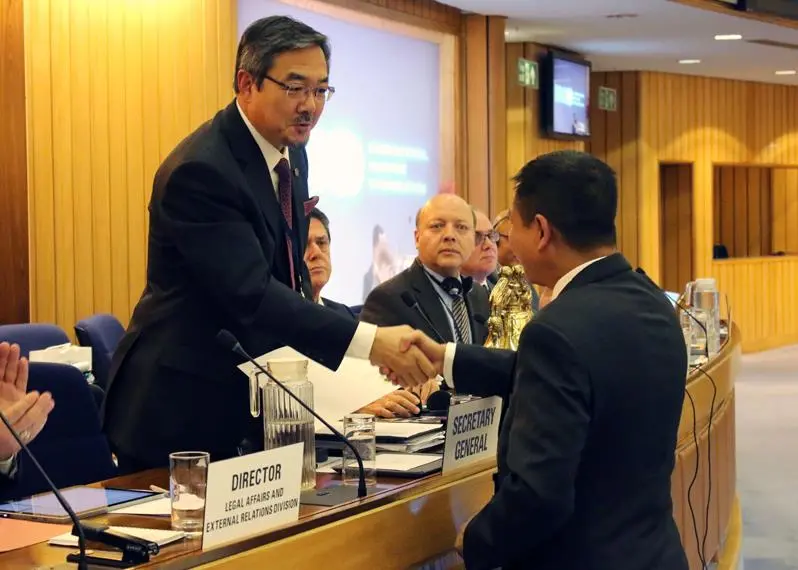
When Morocco ratified on 23 November, it took the total number of ratifications to 45, representing 32.93% of global tonnage. The IMO is in the process of verifying that Indonesia’s ratification on 24 November brings that percentage to 35% or more, triggering the convention’s entry into force one year after the crucial ratification.
The convention – formally the International Convention for the Control and Management of Ships’ Ballast Water and Sediments – was adopted in 2004. It aims to establish effective protection against ships transporting invasive species across the world via the uptake and discharge of ballast water.
The announcement comes during the 29th general assembly of the IMO, which runs until 2 December and is also expected to welcome ratification from more countries. That marks a notable achievement for outgoing IMO sercretary general Koji Sekimizu, who has presided over much of the tortuous process and will leave the office after this assembly.
Problems with the convention remain. A review of guidelines on the testing and approval of systems has yet to be finalised, for example.
The International Chamber of Shipping (ICS) noted: “It is now incumbent upon IMO to finalise the revision of the G8 Type Approval Guidelines as soon as possible, in order to ensure that shipowners can have absolute confidence that the expensive equipment they will soon have to install will be effective in treating ballast water conditions normally encountered during worldwide operations and be regarded as fully compliant during Port State Control inspections.”
The stance of the US, which has yet to approve a single system under its own BWM rules, also remains unclear. Representatives of ship owners active in the IMO – notably from Canada – have highlighted the difficulty of selecting systems to comply with a global treaty while not knowing if those systems will satisfy the rules of the US in its waters.
ICS added: “The US Coasdt Guard does not guarantee that [a temporarily accepted] Alternate Management System will be subsequently granted full approval. Hence shipowners that may have installed an AMS in good faith, at a cost of between US$1-5 million per ship, might then have to replace the system completely after only five years.”
Related Articles
 METHANOL
 MONITORING, CONTROL & DIGITALISATION
 MONITORING, CONTROL & DIGITALISATION