



Tanker operators face stability instrument requirements
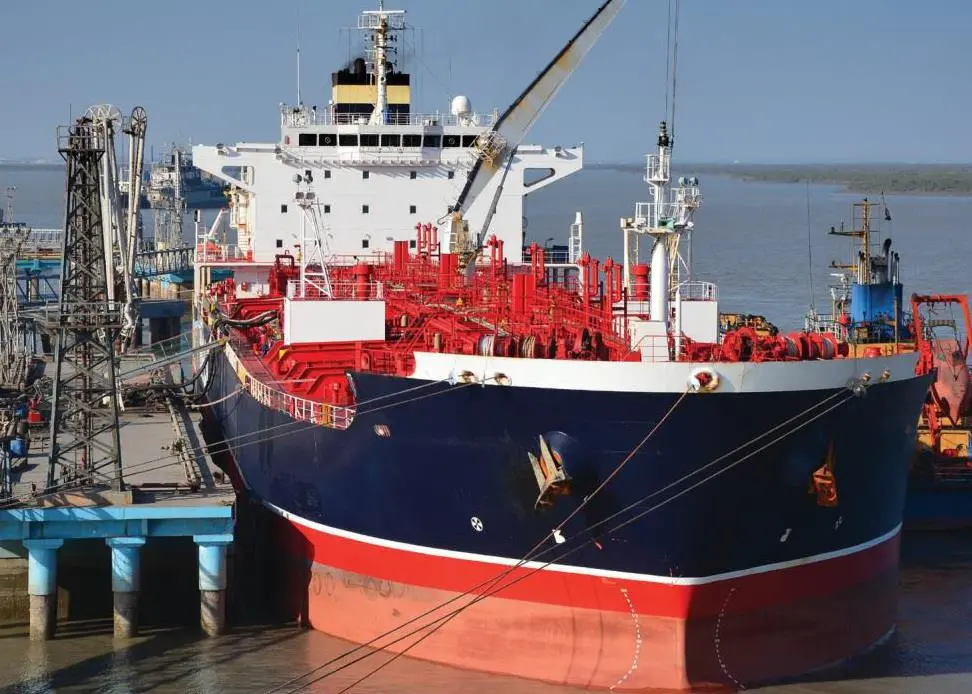
The amendments to the International Code for the Construction and Equipment of Ships carrying Dangerous Chemicals in Bulk (IBC Code) and International Code for the Construction and Equipment of Ships Carrying Liquefied Gases in Bulk (IGC Code) require tankers to carry an approved LCS, capable of handling both intact and damage stability. Vessels that include all operational loading scenarios in their stability information booklet (SIB), or verify stability remotely in a manner approved by their flag state, are exempt.
Vessels with keels laid after 1 January 2016 must comply with the regulations immediately, while older vessels must comply at their next renewal survey and no later than 1 January 2021. According to technology provider QinetiQ, the regulations mean challenges for those aiming to comply via older loading computer systems or seeking exemption through updating their SIB.
Including all loading scenarios in an SIB – either by adding loading conditions or using KG/GM damage limit curves – is a costly and complex exercise, and may not be realistically achievable if a vessel has a varied operational profile. And previously installed LCS may only have been approved for class strength requirements, without having any stability functions (if available) approved.
“Even if an LCS is in use aboard the functionality could vary significantly from that required to demonstrate regulatory compliance,” said QinetiQ in a recent white paper. “More importantly, some or all of the stability functions may never have been formally examined and approved for use.”
QinetiQ notes that as a computer model of the vessel will be needed to generate new data for all compliance options, “the most effective solution would appear to simply have the computer model on-board, to allow new conditions to be generated and verified as needed”.
Related Articles
 METHANOL
 MONITORING, CONTROL & DIGITALISATION
 MONITORING, CONTROL & DIGITALISATION