



MOL embarks on big data trial
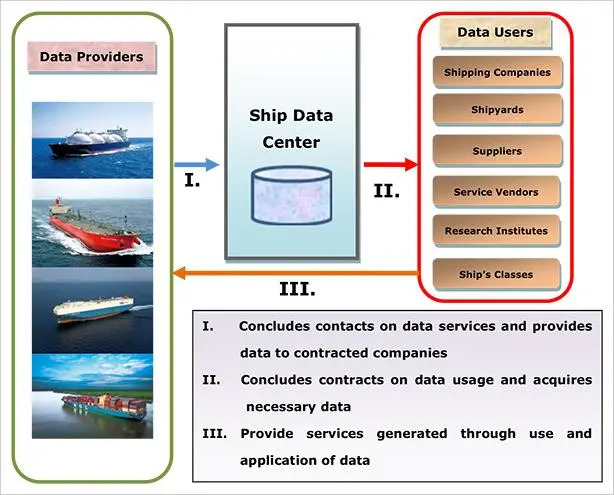
MOL noted that it has worked steadily to create an environment that allows the collection of big data from onboard its operated vessels, and the real time sharing of information between ship and shore using marine broadband services. The company aims to build a comprehensive vessel operation support network based on big data analysis, with the goals of improving operating safety, reducing vessels’ environmental impact, making vessel operation more economical, enhancing ship management and promoting high-quality training and education for seafarers.
In the initial trials, MOL will transfer onboard big data from MOL-operated vessels to the Ship Data Center, where it will be accumulated for the benefit of the entire maritime cluster. MOL believes supporting this trial effort will promote innovation throughout the entire maritime cluster, including producers of ship supplies, shipyards, ship’s classes, societies, universities and research institutes.
The company said: “The entire MOL Group, on land and sea, is united to proactively develop and introduce technologies that will contribute to safe, reliable operation and build and maintain the trust of valuable customers. As the world’s leading shipping company, MOL takes a proactive stance in efforts to promote the continued growth of the maritime industry.”
ClassNK’s Ship Data Center was established in December with the aim of supporting the use of data gathered from ship operations. The class society noted that the industry approach to data capture remains fragmented, and is carried out “almost entirely on a ship-by-ship basis”.
The data centre consists of a secured shipping operations database which will serve as an information hub to independently manage the use of big data from several players in the maritime industry. Trials with MOL began in February, with various information including data from the ship’s voyage data recorder and data logger gathered from a test vessel. Full operation of the data centre is scheduled from April 2016.
ClassNK noted that the entry into force of the Monitoring, Reporting and Verification (MRV) regulation by the EU offered one potential use for independently collected ship data. The MRV requires shipowners and operators to annually monitor, report and verify fuel consumption for vessels 5,000gt or over which call at any EU port. Data collection will be required from 1 January 2018, and the Ship Data Center plans to offer these shipowners and operators a secure and neutral database in which to store and manage these vast amounts of fuel consumption data.
Related Articles
 ALTERNATIVE FUELS & LUBRICANTS
 GENERAL NEWS
 GENERAL NEWS