



Container ship size ‘arms race’ questioned
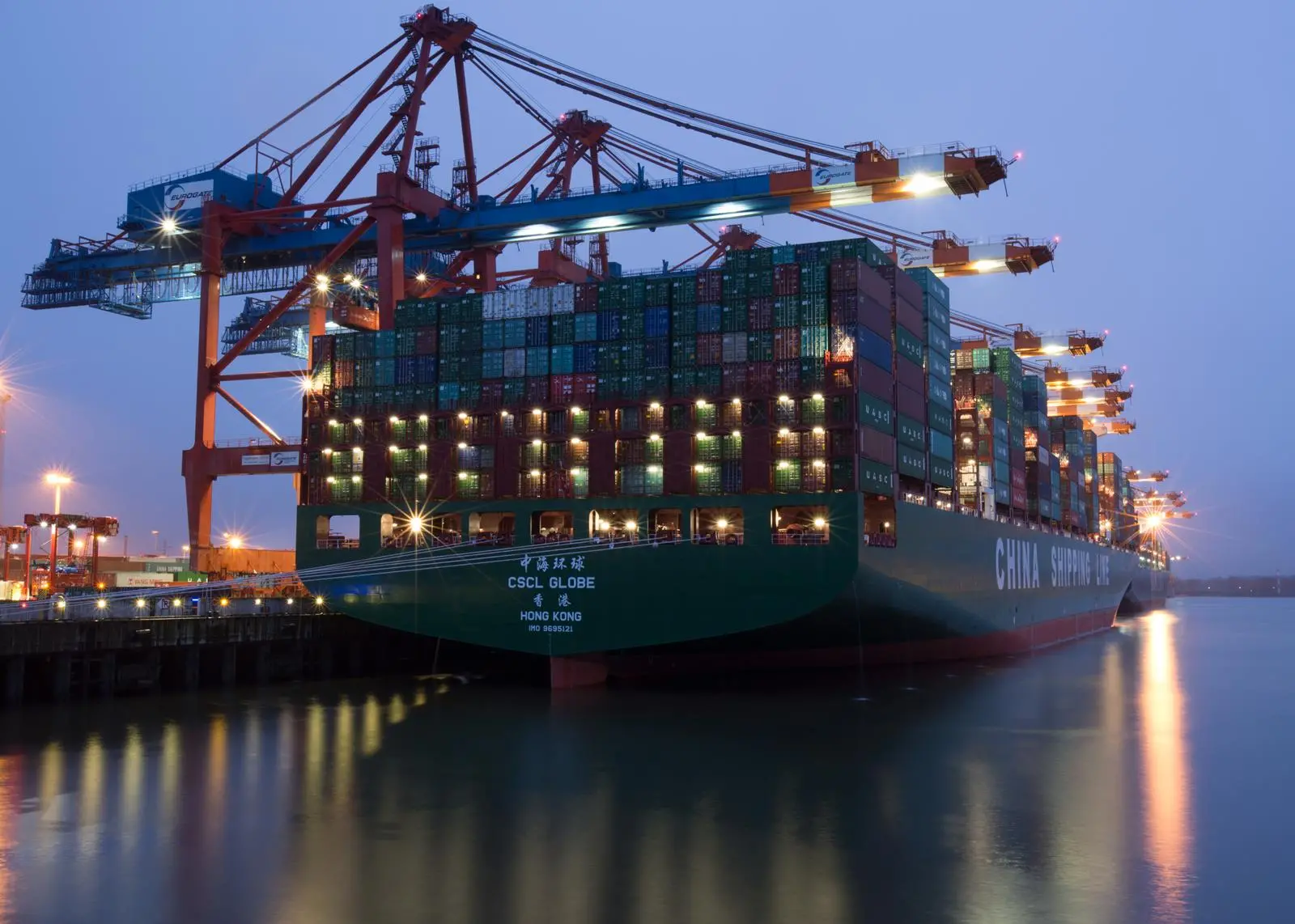
In a simulation study of the operational and financial impacts on lines, terminal operators, ports and other supply chain stakeholders as vessel sizes increase to 18,000 teu and over, Drewry argued that further increases in size may result in diminishing economies of scale.
After a sustained boom in ULCS newbuilding since 2009, a further 53 megaships are expected to enter service this year. But reduced voyage costs are increasingly offset by higher port and landside costs, eroding total system cost savings – according to the study liner and port savings will peak at 5% of total system costs once ULCS exceed 18,000 teu.
Tim Power, managing director, Drewry said: “To ensure the economics of vessel upsizing continue to benefit the entire supply chain, lines and ports need to work in a more coordinated manner if further productivity improvements from the transport system are to be realised. Addressing the operational and cost effects at port facilities caused by the challenging load and discharge patterns of these larger ships requires a cross-industry effort.”
Drewry noted that a lag between the increase in exchanges (containers moved per call) and berth productivity (containers moved per hour) eroded liner benefits, as lines have to speed up as vessel sizes grow. “Cooperation between lines and ports/terminals could help improve productivity,” an analyst told The Motorship. “However there are more intractable issues: volume peaking causes yard congestion, reduced yard efficiency and increased terminal opex; larger vessels require increased capex in the form of new equipment and deeper channels. All these contribute to higher terminal costs that offset the gains in slot costs realised by lines.”
But diminishing efficiencies may be no bad thing for the industry’s overcapacity problems, Powers added, allowing ship building programmes to be based on assessments of future demand rather than the hope of economies of scale. “If this were combined with a process of continuing industry consolidation, liner shipping might at last be in a position to generate sustainable profitability.”
Related Articles
 ALTERNATIVE FUELS & LUBRICANTS
 GENERAL NEWS
 GENERAL NEWS