



Innovative retrofit project slashes fuel consumption
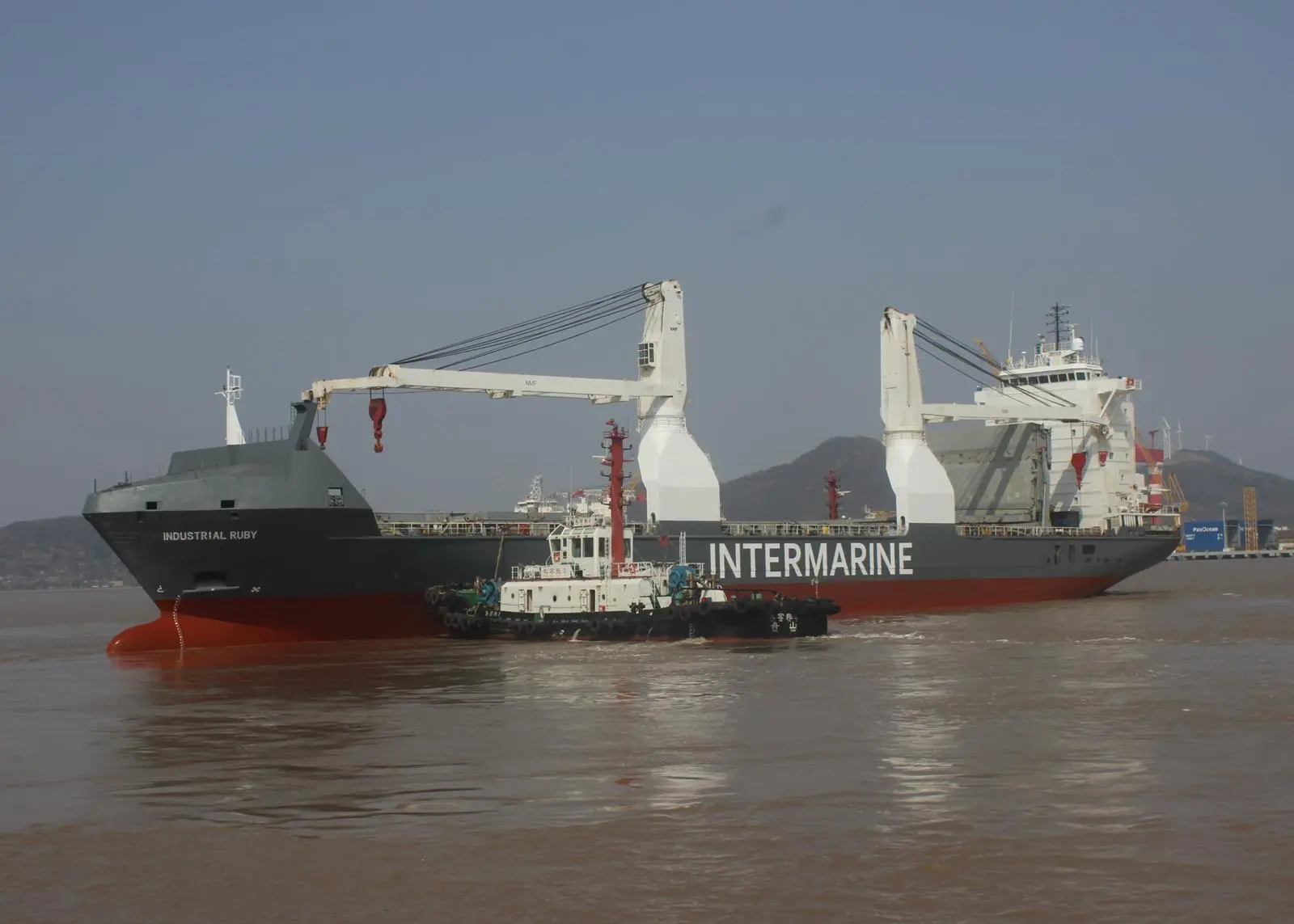
Financing for the project – which included optimized bulbous bow, rudder optimisation, high-performance hull coating, and trim and ballast optimisation – was enabled by Intermarine’s agreement to a five-year charter at higher rates, effected by a retrofit clause in the charter agreement. On that basis the vessels’ financier has extended the liens to finance the bulk of the US$1.2 million retrofits.
The 10,536dwt Industrial Ruby was the final vessel to leave drydock after undergoing the retrofit and was relaunched on March 1. Sister ships Industrial Royal and Industrial Revolution were also retrofitted.
The Industrial Ruby is also eligible form an incentive scheme encouraging third-party financed retrofits for Liberian-flagged vessels, with the registry offering a 50% tonnage tax discount for the first year after retrofit.
Carbon War Room awarded Hammonia a US$120,000 grant to install continuous monitoring software to measure, verify, and publicise the fuel and carbon savings. The data will be analysed by University College London (UCL) over a five-year period, with initial results being released to the industry six months post-drydock.
Galen Hon, shipping operations manager, Carbon War Room commented: “This deal showcases how to overcome the split incentive between owners and charterers, and delivers hard proof of the fuel savings from deep retrofits. These first movers will inspire more owners and charterers to follow in their footsteps.”
According to DNV GL, only one in ten companies aim for fuel consumption savings of greater than 10% in their retrofit projects.
Related Articles
 EMISSIONS REDUCTION TECHNOLOGY
 ALTERNATIVE FUELS & LUBRICANTS
 ALTERNATIVE FUELS & LUBRICANTS