



A hundred years of changes, but challenges remain
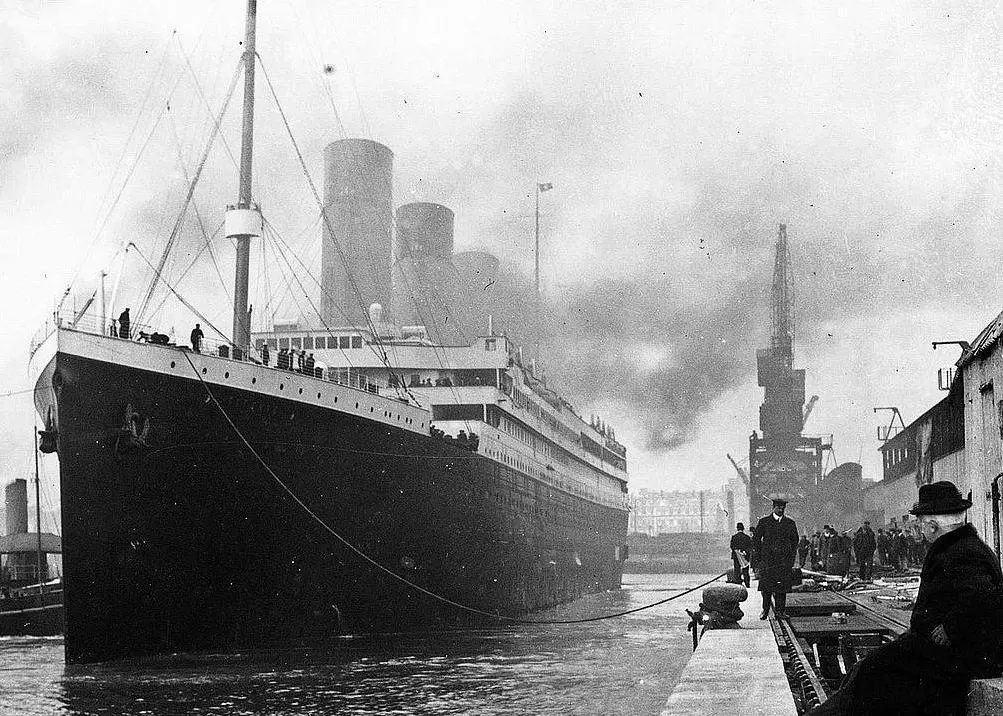
Despite a trebling of the world fleet to a total tonnage now approaching 1 billion tonnes, shipping losses have decreased significantly and seafarer fatality rates have fallen, points out the report by insurers Allianz.
For example, in the UK fatalities have fallen from 358 per 100,000 seafarer-years in 1919 to 11 in 1996-2005. However, this is still twelve times higher than in the general workforce and other country statistics appear to be considerably higher with Hong Kong and Poland something like eight or nine times higher.
However, amongst the next challenges identified are those related to increased vessel sizes, arctic shipping and, of course, ‘human error’.
‘Human error’ is a broad category estimated to be responsible for between 75%-96% of marine casualties. Pressures of competition (often shore-based) and fatigue are frequently cited as significant causes – a particular matter of concern in busy shipping areas such as the Baltic where crews may have little time to rest between periods of duty.
Shipping is highly concentrated into modern sea-lanes as vessels navigate between major ports to optimise efficiency. This results in clustering of losses in certain key regions. Accident ‘black spots’ include South China, Indo-China, Indonesia and Philippines (17% of losses in 2001-2011), followed by East Mediterranean and Black Sea (13%), and Japan, Korea and North China (12%). The seas around the British Isles also show relatively high loss concentrations (8%).
Related Articles
 ALTERNATIVE FUELS & LUBRICANTS
 GENERAL NEWS
 GENERAL NEWS