



Adopting predictive maintenance for turbochargers
Aside from the significant expense of retrieval, extraction, downtime and repair of the vessel, the greater damage is the potential reputational harm to the operator. A breakdown impacts perceptions of reliability and safety among crew and clients alike, leading to costs that can be untold and long-lasting.
However, there is a solution to such challenges. Predictive maintenance for ship engines, being designed by companies such as turbocharger supplier Kompressorenbau Bannewitz GmbH (KBB) and their cooperation partners TruMarine and AVAT Automation Solutions GmbH, alerts vessel owners to take timely and corrective action before any problems arise.
How does Predictive Maintenance Work?
Vessels, ranging from Handysize ships to bulk carriers and cruise passenger ships to ultra large crude carriers, require routine and, sometimes, ongoing maintenance to ensure smooth operation on a daily basis.
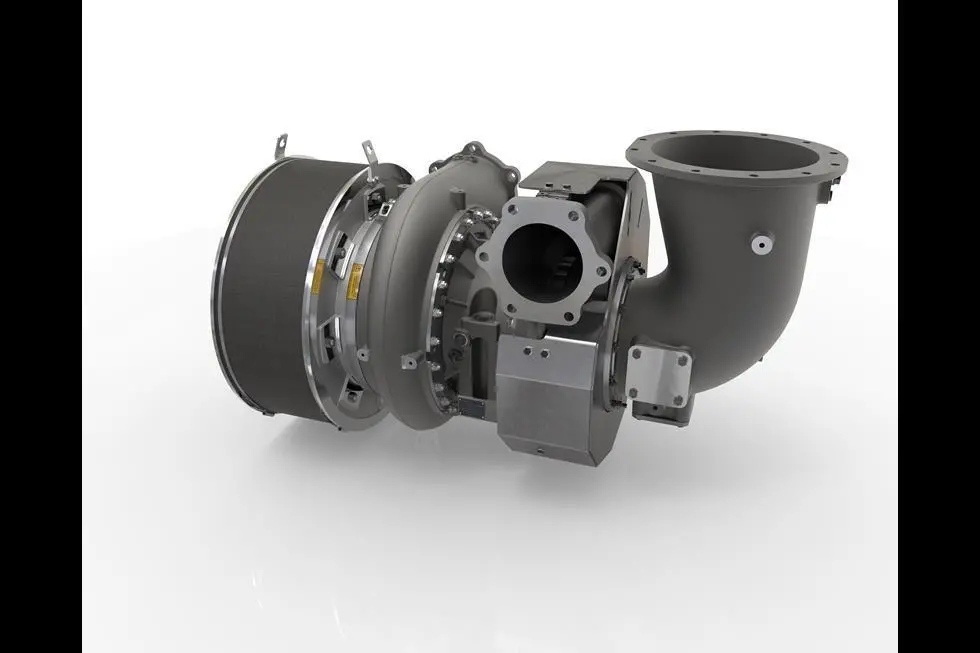
Critical to any ship’s movements are the turbochargers within its internal combustion engines. They are the workhorses that ensure energy generation. Without them working efficiently, an ocean-going vessel will not sail anywhere.
An emerging transformative approach to marine engine management, including turbocharger monitoring, is predictive maintenance. It acts as a surveillance system which alerts crews and shipping managers to emerging equipment problems and enables ship owners to predict the service cycle of the equipment.
This subtle mind shift eliminates the guesswork out of marine engine condition monitoring, allowing operators to move beyond traditional scheduled servicing and plan fleet maintenance programmes more effectively. Rather than trying to guess when equipment requires attention during its lifespan, innovative turbocharger monitoring systems, such as KBB`s K2C-series offers a precise moment when intervention is required.
Combining Expertise with Knowledge to Care (K2C)
As these data-driven strategies evolve, KBB is leading the way by offering digital solutions that enable real-time turbocharger monitoring with the assistance of their cooperation partners.
K2Crelies on sensors to collect real-time data on various parameters. The data is then analyzed using AI algorithms to detect anomalies and predict potential failures. The innovations are designed to handle the specific challenges of marine engine operation, such as harsh environmental conditions and the need for continuous operation.
Utilising both hardware and software solutions, a ship owner can collect a wide range of real-time engine diagnostics, as well as operating data and metrics, from a turbocharger. This valuable information can highlight current operating points and possible damage patterns, and help identify the need for predictive maintenance of ship engines at an early stage.
Data collected over a long period will enable even more accurate detection of changes in turbocharger performance and operation through time-based comparisons.
As the amount of data increases, the ability to detect damage will become more sophisticated, allowing new data-based maintenance intervals to be developed over time. Such predictive maintenance will make it possible to avoid costly equipment failures.
From Reactive to Predictive Maintenance
Predictive maintenance is proving to be a more economical option than the high costs of preventive maintenance, which simply offers a more temporary, or short-term, approach to what can become an ongoing and costly problem.
A proactive approach by the shipping owner will greatly improve the reliability of their vessel fleet, reduce unnecessary downtime, minimize repair costs and keep any fears of unexpected disruptions to international operations firmly at bay.
Digital solutions such as those offered by KBB are becoming increasingly essential as the marine industry also adopts a more sustainable approach in the face of stricter regulations and higher expectations for efficiency and compliance. That’s why predictive maintenance can help extend the lifespan of turbochargers and other engine components.
The early adoption of predictive maintenance packages also offers multi-tier benefits for shipping owners beyond effective equipment monitoring.
They will allow operators to better position themselves in managing operational risks, invest smarter in their fleet assets and enhance their reputational standing as reliable and safe operators of high-quality, long-lasting, and reliable vessels
Shipping companies will also proactively showcase their leadership by operating climate-friendly and energy-efficient vessels while adapting to the future demands and challenges of the maritime industry.
Related Articles
 PROPULSION
 GENERAL NEWS
 GENERAL NEWS