



Alfa Laval’s journey in alternative fuels: from methanol to ammonia, via LPG

Alfa Laval is a global technology leader, headquartered in Sweden, which supplies a plethora of industries ranging from marine to energy and food & water. Today, the company partnership with some of the largest marine stakeholders in the world puts them at the centre of alternative fuel developments and specifically the fuel supply systems used.
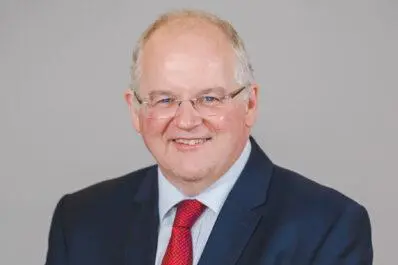
Stefano Bottino (pictured) tells The Motorship that his company started working on a fuel supply system for a 2-stroke methanol engine as early as 2013, starting their “cooperation” with MAN Energy Solutions at this time with the philosophy of “develop, test and deliver”. It was almost a decade later when Alfa Laval signed a joined development agreement with WinGD for fuel supply systems and 2-stroke engines, both methanol and ammonia fuels. Then the same was done with MAN for 4-stroke methanol engines in 2023.
Alfa Laval provides fuel-supply-systems (FSS), which are compatible with any fuel engine injection technology (direct or port injection, Diesel or Otto cycle). When it comes to alternative fuels, the focus is on liquid-gas-injection (LGI). This technology is currently being utilised for fuels such as Methanol and LPG. In the future, it will also be applied to ammonia. Alfa Laval FSS solutions have consolidated experience with the main engine firms in operation, both 2-stroke (MAN and WinGD) and 4-stroke (MAN, Wartsila, Himsen), and are compatible with technical requirements of all the dual-fuel relative market.
Adding LPG to the mix
An area that sets Alfa Laval apart from other fuel supply system providers is the company’s expertise with LPG. Despite niche market related to LPG carriers only, it enabled to gather experience by feeding MAN liquid gas injection technology and paving the way to the even more demanding solution for the ammonia liquid injection, due to similar operating conditions.
Working with LPG, Bottino sees it as an “intermediate step” to working with ammonia, given the shared characteristics of liquid injection and the similarities in handling between the two fuels. With concerns over ammonia’s toxicity, any prior experience of working with a substance that shares its characteristics can only be a good thing. MAN ES has stated that its B&W 2-stroke ammonia engine is based on the liquid gas injection concept.
“One of the fundamental factors impacting the alternative fuels technology is the evolution of compliance,” Bottino says. “Requirements by Class Registers are more demanding than traditional fuel oil, still developing and thus challenging the whole supply chain, from raw materials and key-components to design and manufacturing.”. Despite this, Alfa Laval has delivered over 120 methanol supply systems to date with different class register approvals and its ammonia solution will be released in the fourth quarter of this year.
Multi-user fuels
One the added benefits Alfa Laval bring to their clients is that they can power other systems on a ship with the same fuel used in the engine. Bottino describes that aside from the main engines, auxiliaries and even boilers can be powered by methanol which he describes as: ”A unique value proposition to our solution, together with design, automatic operation and engineering optimisation”. Indeed, FCM Methanol by Alfa Laval can feed main engine, auxiliary engines and eventually the boiler with independent lines with dedicated set points. The system can be tuned on actual users load to maximise the energy efficiency.
This goal of setting itself apart in the market may be key as other companies have won headline grabbing mandates with their alternative fuel supply systems.
The company seems to have all bases covered as the maritime market is still examining which fuels meet which purpose. Bottino references a report from Clarksons which forecasts that the methanol market will reach maturity in 2029-30, thanks to the contribution of both new building share and retrofit/fuel conversion. Following this period of growth, it is anticipated around 500 dual-fuel methanol vessels would be delivered on yearly base. He says there are some question marks over availability of green methanol, a key consideration with regulators using a well to wake approach to emissions.
However, for ammonia, Bottino says there are only few companies capable of handling the challenges and risks associated to that fuel. Ever the optimist, this doesn’t seem to faze Bottino, who on pondering the predicament, says: “As a fuel supply system company, what we are doing is to be sure we have a reliable, and tested solution in time for when the technology the engine is ready.”
Related Articles
 ALTERNATIVE FUELS & LUBRICANTS
 ALTERNATIVE FUELS & LUBRICANTS
 ALTERNATIVE FUELS & LUBRICANTS