



Barcelona completes landmark bioethanol bunkering
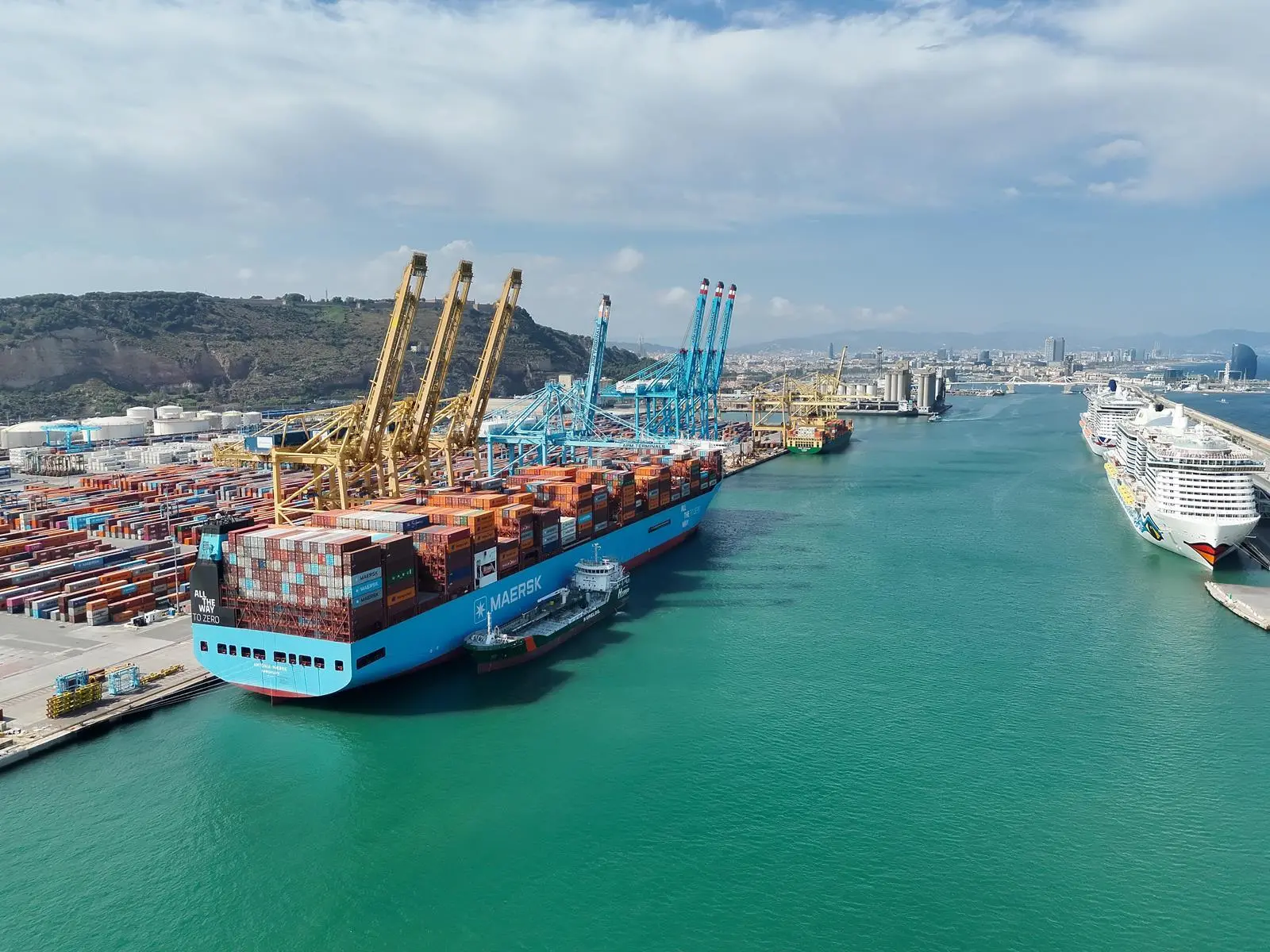
The operation is among the first commercial-scale bioethanol bunkering projects in the Mediterranean and demonstrates the growing viability of alcohol-based marine fuels. It also showcases the infrastructure, logistics and operational capabilities needed to support future fuels, including methanol, across major shipping hubs.
The fuel was delivered to Antonia Maersk by Bahía Candela, Repsol’s newest bunker vessel, operated by Mureloil. During the transfer, the vessel used its onboard battery system, allowing the bunkering process to be completed with zero local emissions and reducing the environmental footprint of the operation.
“With this supply, we reaffirm our commitment to the decarbonization of maritime transport through solutions that are available today and ready to scale in the future,” said Juan Abascal, Repsol’s executive managing director of Industrial Transformation and Circular Economy.
“We provide shipping companies with a reliable supply chain and a multi-energy strategy that combines different renewable fuels to support the sector in a safe, competitive and sustainable transition.”
The delivery follows successful ethanol trials on Maersk’s feeder vessel Laura Maersk and marks the first ethanol trial aboard one of the company’s larger dual-fuel container ships, capable of carrying 16,000 teu.
“This latest bunkering of Antonia Maersk marks another important step in our efforts to explore scalable low-emission fuel solutions,” said Emma Mazhari, vice president of Energy Markets at Maersk.
“Ethanol is one of several pathways we are pursuing to diversify our future fuel portfolio.”
José Alberto Carbonell, president of the Port of Barcelona, said the project demonstrated the port’s readiness to support alternative fuels, adding that collaboration between ports, shipping companies and energy providers was essential to accelerating the maritime sector’s energy transition.
Related Articles
 BIOFUELS
 BIOFUELS
 2-STROKE & 4-STROKE