



Battery and fuel cell project makes its mark
Over the life of the project, the focus shifted to demonstrating the applicability of hybrid battery power systems, especially lithium ion batteries. Now, with class rules established and the technology fully commercialised, the partners have decided that it is time to close the project.
“The results from FellowSHIP have shaped our knowledge of battery and hybrid power on board ships and enabled the industry to implement innovations which will help to enable the next generation of more efficient and sustainable vessels,” said Bjørn-Johan Vartdal, maritime programme director for technology and research at the DNV GL Group.
Prototype development
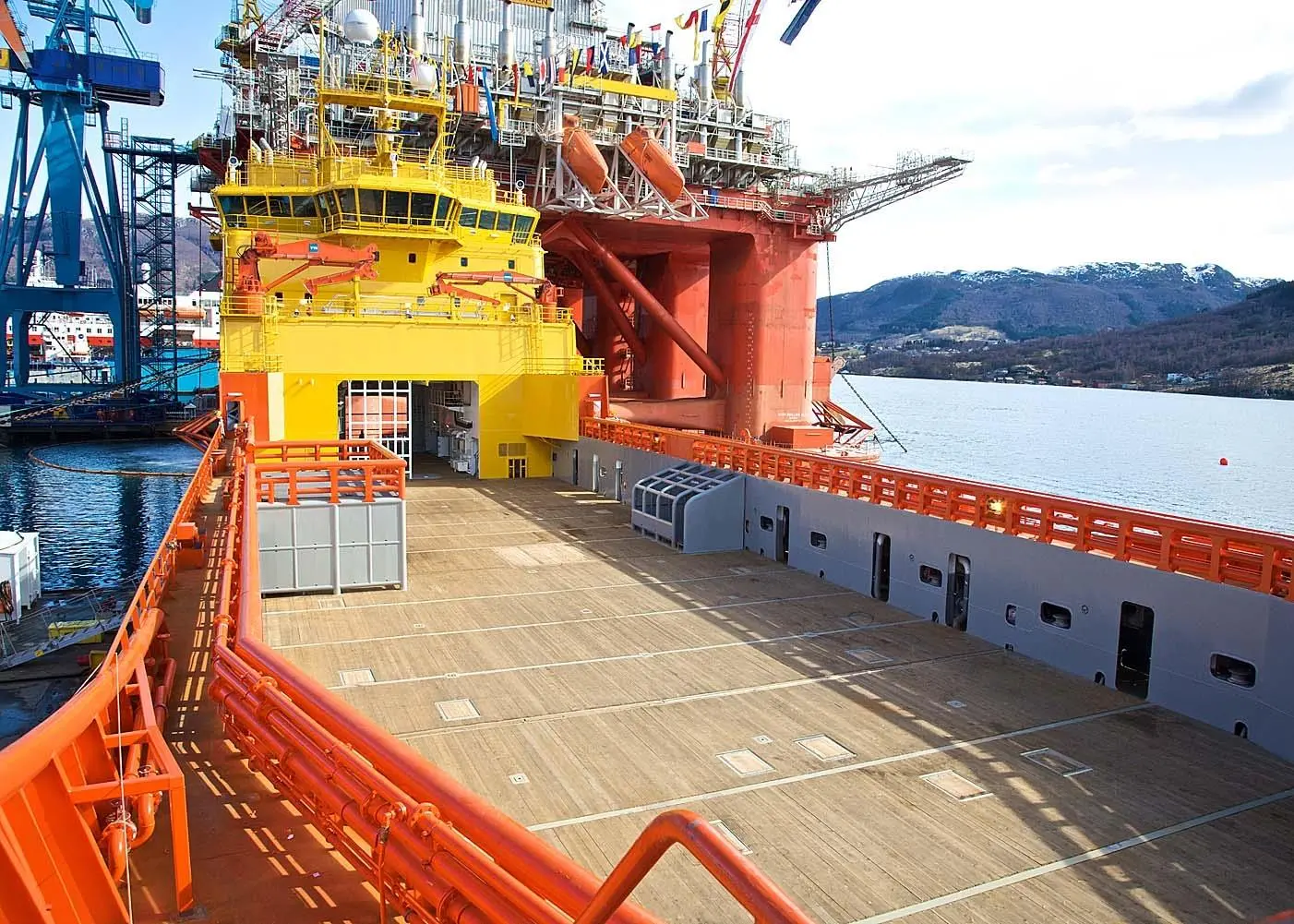
In 2003, the FellowSHIP project partners began laying the groundwork for marine fuel cell technology, developing a proof of concept and the basic implementation principles, all of which culminated in the installation of a prototype fuel cell on board Eidesvik Offshore’s Viking Lady PSV in 2010.
Eidesvik Offshore has since upgraded four of our ships with battery systems since 2016 which it said would never have happened without the results, experience and knowledge obtained through the FellowSHIP project.
Ingve Sørfonn, head of technology and development for Wärtsilä Marine Solutions Power Conversion, said that FellowSHIP has been an important project for demonstrating, validating and documenting new, efficient and low-emission technologies.
The fuel savings and emission reductions achieved during the different phases of the project have been enablers for developing the maritime industry in a more sustainable direction.
Related Articles
 ALTERNATIVE FUELS & LUBRICANTS
 GENERAL NEWS
 GENERAL NEWS