



Berlin funding for inland Diesel upgrades
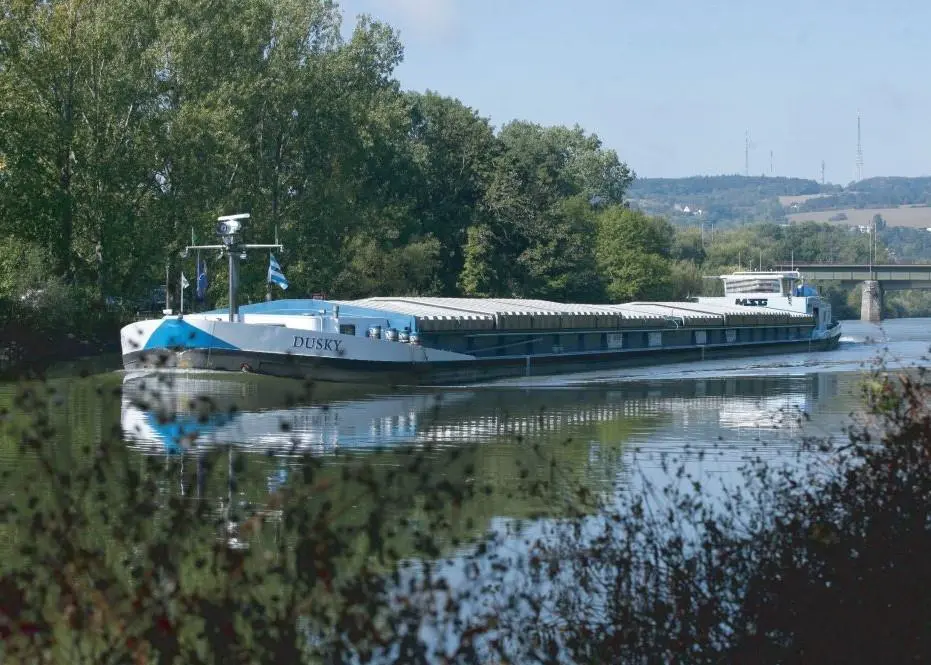
The Berlin Transport Ministry acknowledged that an inland fleet funding programme introduced in July to promote high-value propulsion systems, had not included Diesel-powered engines.
As of late September an additional Government programme has closed that loophole. It covers the acquisition and installation of lower-emission Diesel engines as well as the retrofitting of catalytic converters, scrubbers and fuel-water-emulsion plant.
The funding programme additions follow a complaint to the Transport Ministry by Martin Staats who heads the Association of German Inland Shipping (BDB) in Duisburg.
Staats said: “The shipping industry is very happy to invest in innovative propulsion systems and alternative drive fuels. However we, particularly those in large-scale shipping, will continue to depend on the Diesel engine until such time as powerful and affordable drive alternatives are available in series production on the market, until there is a service infrastructure for them throughout Europe and until there are clear regulations governing the operation of innovative ships.”
Staats said he was pleased the Transport ministry had now taken these points to heart in its latest additional funding programme. “By doing so, small and medium-sized concerns are being supported in their efforts to switch to lower emission Diesel engines”, he said.
A BDB statement added that the new programme was “meaningful and pleasing” even though the subsidies for Diesel ships will be lower than those laid down in the July programme. Subsidy grants will amount to 40-60% of eligible capital expenditure up to a maximum of €200,000 over three years.
The aim of the new programme is to speed up the voluntary replacement of existing Diesel engines with lower-emission EU Stage V engines of categories IWP, IWA,NRE (up to 560kW) or with equivalent recognized ships under European NRMM regulations. A precondition is that engines are fitted with waste gas treatment systems and that they clearly undercut current emission standards.
According to the BDB the German inland fleet currently numbers nearly 3,500 ships of high average age.
An estimated 12,000 main, auxiliary and other engines operate on them and it is believed, since many have been well maintained for decades, that about 75% of those engines are pre-2003. In many cases, the BDB says, the old Diesels are still technically functional and replacement is often not called for.
The Ministry of Transport however says it is hoped that the new funding will serve as an incentive to those concerns without the capital to upgrade or replace Diesels and expects around 600 existing engines can be replaced by 2022.
Related Articles
 ALTERNATIVE FUELS & LUBRICANTS
 GENERAL NEWS
 GENERAL NEWS