



BV releases updated wind propulsion system rules
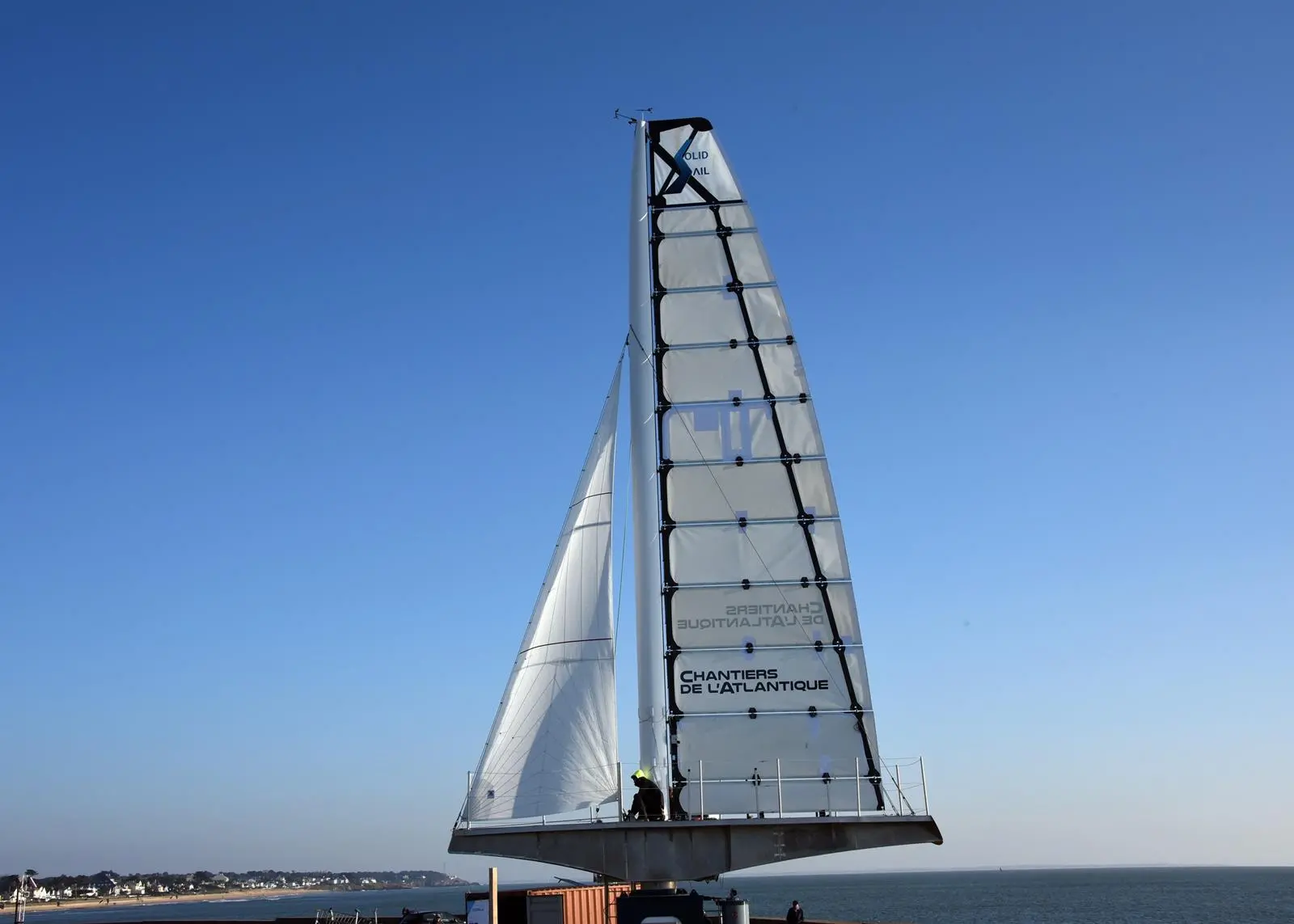
The class society is offering two new notations to provide the classification requirements for modern wind powered ships. The first, WPS 1, covers standing rigging while WPS 2 covers standing and running rigging. Both provide load cases and coefficients for all types of wind propulsion technologies including free-standing rigs, wing sails, kite sails, and wind turbines.
The new NR 206 rules provide the key classification framework for wind assisted propulsion. Firstly, at the design review stage, by ensuring safety and interactions with other systems onboard are addressed, and, secondly, for in-service life, wherein the rules address survey regime and maintenance requirements.
The rules address a range of general requirements including:
* Risk analysis / hazard identification (HAZID) studies
* Definition of load cases and critical situations
* Definition of automation and release system
* Definition of wind propulsion system impacts on ship safety
* Ship strength; influence on hull girder strength, addressing bending moments and shear forces
* Local strength in way of connections between wind propulsion systems and the ship including the mast footings, boom, deck, standing rigging attachments to the ship and manoeuvring systems
In addition, the rules require an operational manual including limitations of operation of wind propulsion systems in accordance with its design, such as wind speed limitations.
Yves Pelpel, Senior Vice President Technical at Chantiers de l‘Atlantique, said: “With the concept of solid sail, a first of its kind of a new generation of very large sails made of rigid panels and its Aeoldrive balestron rigging, Chantiers de l‘Atlantique is offering the most advanced and innovative solution of sailing propulsion in the large ships market. The integration on-board a passenger ship of such an innovative solution is only possible thanks to the tremendous collaborative work done with Bureau Veritas on its new rules for Wind Assisted Propulsion.”
Ludovic Gérard, CEO at AYRO commented: “We are pleased to see Bureau Veritas’ continuous involvement and support in innovation and in the decarbonization of shipping with the release of these new rules. These technical guidelines will help us in the development of our Oceanwings and their application on board cargo vessels.”
Related Articles
 METHANOL
 MONITORING, CONTROL & DIGITALISATION
 MONITORING, CONTROL & DIGITALISATION