



Cathelco systems to protect new USCG cutters
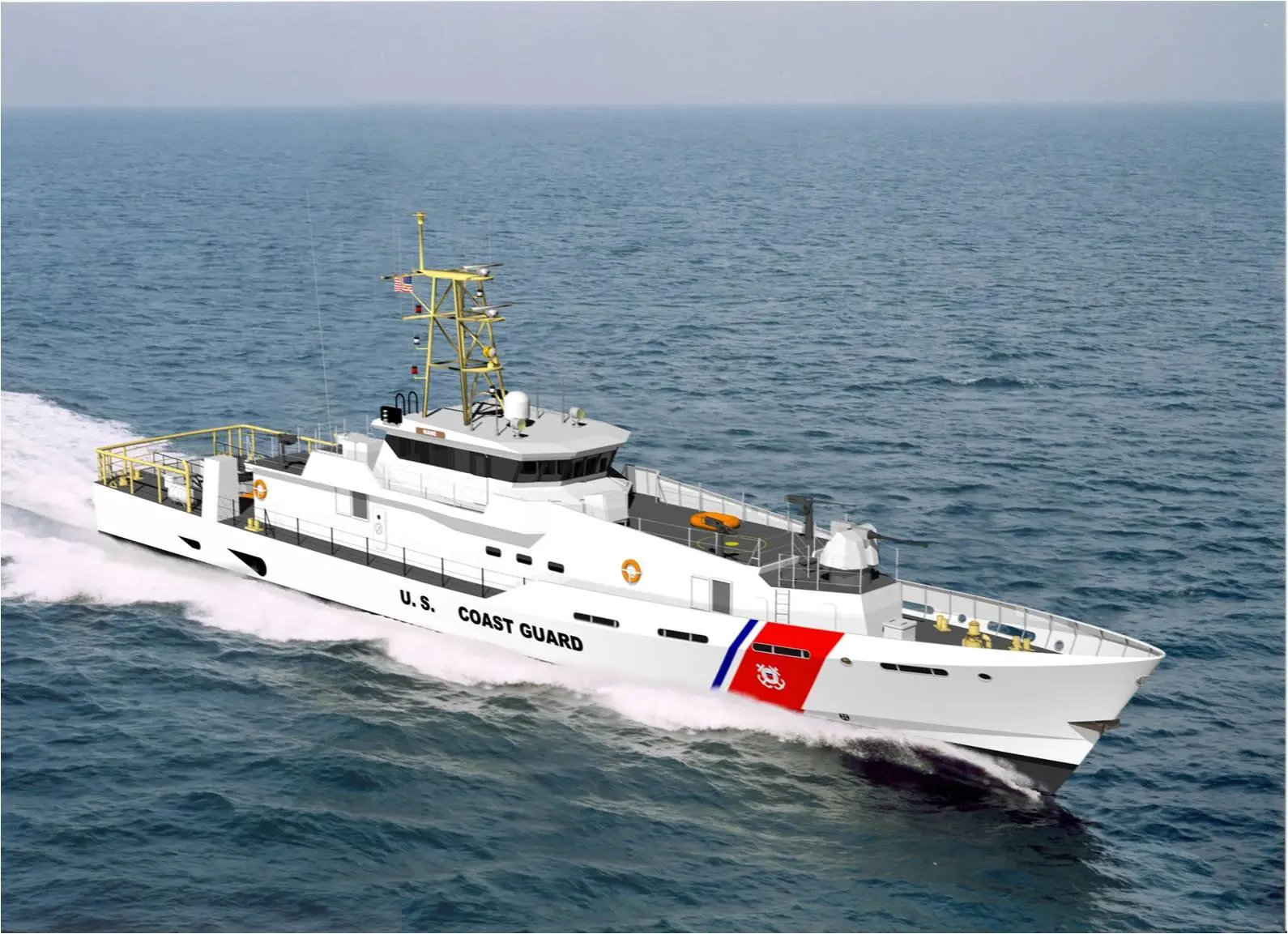
The Sentinel Class cutters, measuring 46.9m in length and capable of speeds of more than 28 knots, are being constructed at the Bollinger Shipyard’s facility in Lockport, Louisiana. Cathelco will be supplying impressed current cathodic protection (ICCP) systems to protect the steel hulls of the cutters against corrosion. They will also be supplying marine pipework anti-fouling (AF) systems to protect the vessels’ seawater cooling lines against blockages caused by barnacles and mussels.
“One of the priorities in the design was to reduce the weight and size of the equipment. The Cathelco modular control panel is a single unit serving both the ICCP and AF systems. It is already lightweight in design, but in this case we have carried out modifications which produce even greater weight savings using slim-line modules”, said Stephen Ellis, engineering and R&D manager at Cathelco’s headquarters in Chesterfield, UK.
The ICCP system will consist of two elliptical anodes and two reference electrodes mounted on the hull surface, port and starboard, wired to a single control panel. In operation, the reference electrodes measure the electrical potential at the seawater/hull interface and send a signal back to the control panel which raises or lowers the output to the anodes, ensuring the optimum level of corrosion protection at all times.
As part of the ICCP protection package, Cathelco will be supplying a shaft earthing system.
Shaft earthing is a vital component in the protection of all vessels, especially high speed craft. The purpose of a shaft earthing system is to provide a return path for the relatively small, but nevertheless significant amounts of corrosion current which flows along the propeller shaft. With the ‘safe’ return path provided by a shaft slip-ring and brushes, the current does not reach the bearings and the risk of ‘spark erosion’ is avoided.
It also prevents the problem of pitting in propeller blades where corrosion currents flow from the tips of the blades to the surrounding hull surfaces because there is no return path along the shaft line. As speed is increased and the propeller turns more quickly, air is introduced into the water and the effects of pitting are magnified through the process of cavitation.
Related Articles
 ALTERNATIVE FUELS & LUBRICANTS
 GENERAL NEWS
 GENERAL NEWS