



CII poor fit to cut emissions from cruise ships
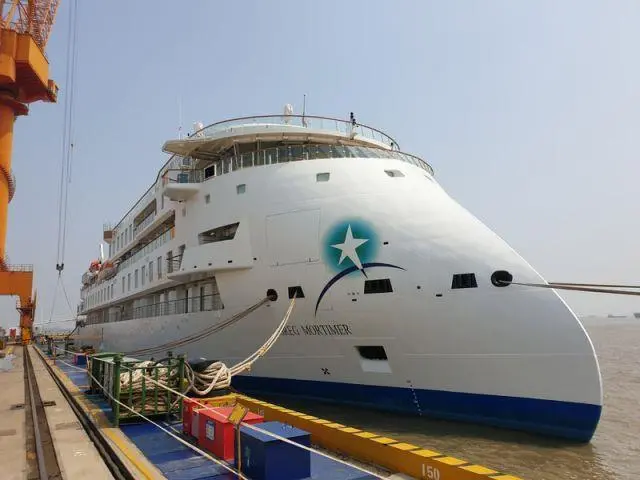
The CII, which enter into effect from 2023, represents a particular challenge for cruise ships, due to the comparative size of such vessels’ hotel load as a proportion of overall energy consumption.
The root of the challenge, as previously noted by The Motorship, is that formula upon which the index is based is better suited for assessing bulk vessels or containerships than passenger vessels. The index figure is reached by dividing annual CO2 emissions by a figure that is reached by multiplying the gross tonnage of the ship by the annual distance it has travelled.
This figure is used to rate each vessel’s performance on a scale from A to E, with ratings of D and E considered as unacceptable and measures need to be taken so that the vessel reach at least rating C.
“Consumption per nautical mile is directly proportional to the CII. Due to the high portion of hotel load, cruise ships have a certain optimal speed where consumption per nautical mile is considered; this is typically around 12 knots. The higher the propulsion power demand required, the lower the optimum speed,” noted Foreship, the Finnish consultant naval architects, in a white paper it published earlier this year.
Paradoxes between fuel consumption and CII
Meanwhile, higher the hotel load, higher the optimum speed. To achieve the best possible CII, the cruise ship Foreship used in its calculation should always sail at 12 knots.
“Reducing the speed below 12 knots would result in a lower CII rating, even if CO2 emissions reduced at the same time. Self-evidently, the lowest possible fuel consumption and CO2 emissions would be achieved if the ship stayed continuously at anchor or in port, but the associated CII rating would be infinity, due to annual travelled distance being zero,” Foreship pointed out.
“In the same way, our ship would achieve the same CII rating whether cruising at six knots or at 21 knots, despite the huge difference in actual fuel consumption and CO2 emissions per hour,” the company concluded.
The introduction of CII in 2023 precedes any financial incentives to encourage improved performance, which will not be introduced until 2027 at the earliest. However, operators note that environmental considerations are already a factor when passengers make bookings in some segments.
“I believe what the Foreship report brings to light is that the passenger ship sector may need to be looked at in a different context from cargo ships, not only from an IMO regulatory perspective (i.e. how the CII is calculated), but from a more commercial point of view, in that passengers do have a choice of who they cruise with, and many cruise passengers (particularly expedition cruise passengers) do care about the environment,” said Chris Dlugokecki, EVP Operations at the Miami based expedition ship tonnage provider SunStone Ships.
Dlugokecki noted that SunStone was looking at alternative fuels among different solutions, but was mindful of operational challenges. He compared some of the alternative fuels under consideration with the previous energy transition from coal to oil a century ago. This transition took decades to complete, despite the advantages of oil over coal.
“The future fuels that are being discussed now – methanol, hydrogen and ammonia – not have any of oil’s characteristics. They are not cheaper, cleaner, abundant, more energy dense and safer to handle. The energy density is at least half of today’s fuels, this means more space will be required on ships to carry the extra fuel.”
“These fuels will also be about two to four times more expensive. A further complication is that these fuels can come from many different sources, some with more impactful or similar lifecycle emissions to the fuels of today,” Dlugokecki said in a written reply to The Motorship.
“The availability of alternative fuels also remains questionable, particularly in the Arctic and Antarctic areas where SunStone currently operates our fleet of expedition cruise vessels,” he concluded.
Related Articles
 ALTERNATIVE FUELS & LUBRICANTS
 GENERAL NEWS
 GENERAL NEWS