



CIMAC releases paper on COC fuel contamination
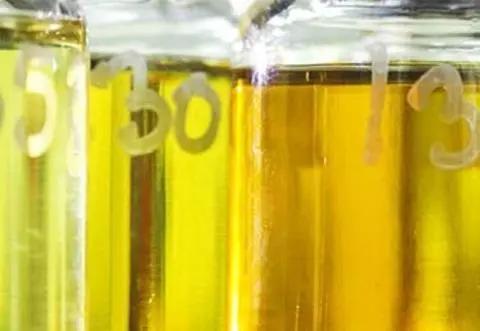
In February and March 2022, more than 100 ships reported operational problems using high sulphur residual fuels bunkered in Singapore. Ships, using these bunkers, reported sticking fuel pumps and engine performance failures (high wear in injection equipment) with some ships also reporting separator sludging and filter blocking.
Review of the reported cases has shown that the incidences were not isolated to any specific machinery, component make or brand of affected separators, filters, two-stroke engines, or four-stroke engines.
The analysed fuels met the ISO 8217 Table 2 requirements however, prompted by the reported problems, further investigative analysis was carried out revealing the presence of high concentrations of various chlorinated organic compounds (COCs), with 1.2-dichloroethane showing the highest concentrations.
Concentrations of individual COCs were found up to 6000 mg/kg with the less contaminated fuels having levels of individual COCs in the 70-100 mg/kg range.
Those vessels that used fuels with high concentrations of COCs reported severe operating problems on both main and auxiliary engines. In one case, a ship having bunkered high sulphur fuel oil supplied in February 2022 in Singapore, experienced deteriorated performance of the fuel pump after having changed over to the fuel that contained various COCs with 1,2-dichloro-ethane at 3629 mg/kg. The ship decided to replace all fuel pumps with new pumps before continuing to consume the same fuel. Within a week the new fuel pumps and injectors failed again.
Subsequent reports from investigating engineers reported that rapid degradation of the fuel pumps and injectors had occurred, evidenced through surface analysis and measurements of the sliding components in contact with the fuel (Figure 1), along with poor atomisation performance of the injectors. The cause was evidentially linked to chemical and corrosive attack from the subject fuel in use.
The Singapore MPA traced the HSFO back to fuel purchased by Glencore Singapore in January and February 2022 through Straits Pinnacle, which had contracted its supply from Unicious Energy. The contaminated HSFO was loaded on to a tanker at the Port of Khor Fakkan and shipped to floating storage facilities in Tanjong Pelepas, Malaysia, to be further blended. The blended HSFO was subsequently delivered to storage facilities in Singapore. Part of the blended HSFO was also sold by Glencore to PetroChina International (Singapore).
Fuel onboard the tanker was found to contain high concentrations of COC, of up to 21,000 ppm. Forensic fingerprinting analysis of the fuel samples taken from the tanker showed a match with the samples taken from several affected ships that had taken HSFO from Glencore and PetroChina. The forensic fingerprinting analysis established with reasonable certainty that contaminated fuel onboard affected ships had likely come from the same source.
Based on evidence it has collated to date, CIMAC WG 7 Fuels has concluded that all the examined and reported cases are pointing to a correlation between elevated levels of COCs in marine fuels and operational issues. CIMAC WG7 says that “marine fuels shall be free of COCs where de-minimis levels of COCs are to be taken as when the concentration of total organic chlorine does not exceed 50 mg/kg (EN 14077). It remains the responsibility of the fuel supplier to ensure that requirements for COCs are met.”
Potential long-term effects on engine condition of continuous operation on fuels containing de-minimis levels of COCs are unknown. As such, the experts of CIMAC Fuels will continue the investigation in support of the industry towards final conclusions.
The paper is available here.
Related Articles
 CONVENTIONAL FUELS & OILS
 ALTERNATIVE FUELS & LUBRICANTS
 AMMONIA