



Digitalising the fleet of tomorrow
Eniram’s core concept of benchmarking discrete real-time data against average or peak performance for other vessels or fleets to identify where adjustments to instruments, speed or fuel use can be made to maximise efficiency has not changed significantly since 2005. What has changed is the data collection platform and advanced data analytics, which gives users the ability to obtain real-time ship level performance data and compare it with best in class performance. This, along with the increasing availability of data monitoring tools, has transformed what was previously a specialist service into a highly competitive marketplace.
“We generate ship-specific models, rather than relying on generic models,” Rayner said, noting commodity-product suppliers may struggle to match the granular detail of Eniram’s products. He also noted that Eniram’s preference for close collaborative working relationships can lead to unexpected synergies.
“Just to take one example, we have been able to identify energy savings for hotelling services in cruise ships, just by looking at specific water purification requirements,” Rayner noted.
After-sales and ongoing support are also particular strengths of Eniram. “Our system is very user friendly, but training and ongoing support are one of the requirements to make a system like ours work. When we’re making cross-fleet comparisons, we rely on data but also identify crew behaviour and engagement.”
Being part of Wärtsilä also offers other benefits, such as synergies between Wärtsilä’s Engine Maintenance Services and Eniram’s Vessel digital performance management system, while the development of predictive maintenance offers further advantages.
“Lots of people are talking about predictive maintenance but being part of Wärtsilä offers obvious advantages when we’re dealing with Wärtsilä equipment on board. There are wider technical advantages for engine or thruster modelling, for example.”
Rayner noted that there remain significant growth opportunities in the market, as optimisation tool adoption has varied between different types of vessel. “The cruise sector has taken a proactive approach to energy management tools. They are highly sophisticated vessel operators, and are familiar with digitalisation services in other parts of their businesses,” Rayner said, noting that the increasing size of vessels was focusing operators’ attention on maximising efficiencies.
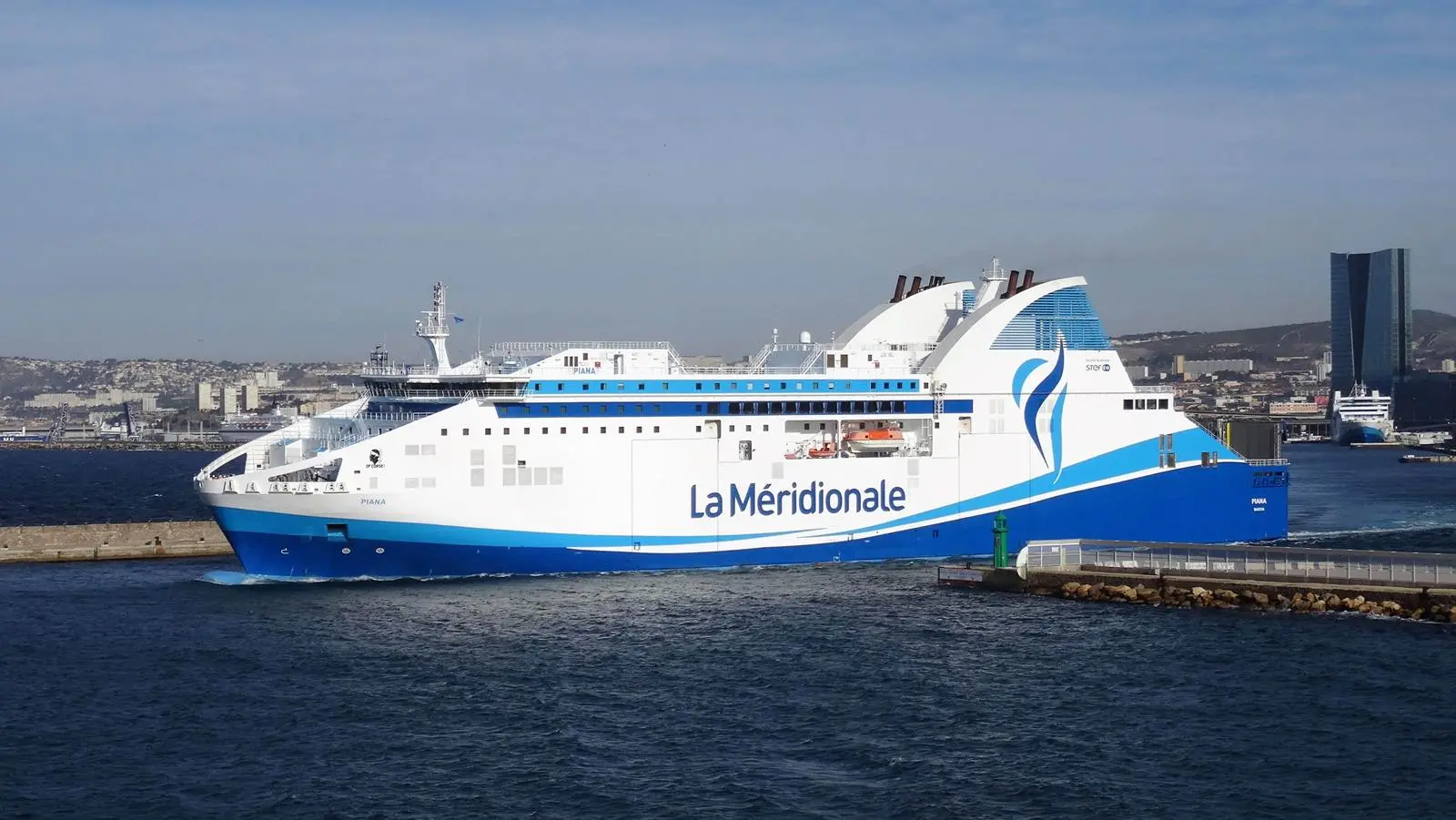
Uptake in other parts of the market has been slower, although even operators in short sea scheduled RoRo or RoPax services can achieve annualised fuel efficiency savings of up to 2 percent, based on Rayner’s own experience with French ferry operator, La Meridionale. “We developed good co-operation with the ferry company – I would like to think we could increase efficiencies working together.”
Bulk carriers and tankers have yet to fully adopt the technology, although this might reflect some perceived duplication with services in fleet control centres, or problems of “split incentives” between ship owners and charterers, where the beneficiary of the saving is not the same as the person paying for the installation.
Eniram’s energy management services could offer greater savings for vessels covering longer routes with variable destinations, potentially of up to 5-6 percent, depending on how the vessel was operated prior to installation of Eniram’s system. “I think container vessels, operating on long routes, would really benefit from this service, but other opportunities exist. I’d like to trial it on a reefer to see what savings we could generate,” Rayner said, noting that the “real savings” tended to happen when fleet-wide comparisons could identify laggards or star performers.
There are other commercial opportunities on the horizon. Wärtsilä’s acquisition of Transas in 2018 opens up opportunities to broaden Wärtsilä’s offering in the wider cargo market, drawing on Transas’s strong position in safety and ECDIS. This forms part of Wartsila’s digitalisation strategy, which is expected to lead to a better value chain for data collection and analytics.
That said, the fast-evolving market is challenging operators developing their own systems is maintaining interoperability with the ever-increasing volume of data available, while the introduction of emissions control areas (ECAs) and low sulphur marine fuel requirements is adding to the complexity of modelling optimal route configuration.
Related Articles
 ALTERNATIVE FUELS & LUBRICANTS
 GENERAL NEWS
 GENERAL NEWS