



DNV GL: Reasserting the primacy of safety
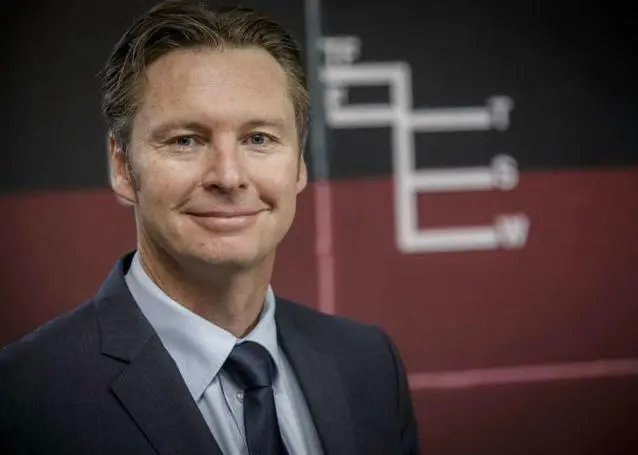
“We really need to place safety much higher up the agenda,” Ørbeck-Nilssen added, identifying five specific safety-related proposals, including the development of holistic regulations with safety at the core. This represented a challenge for the IMO and the class societies, and was the subject of an ongoing project between the IMO and the IACS to improve regulation.
He also called for safety culture within the industry to be improved. Despite a progressive improvement in losses in recent years, the opportunity to make greater improvements remained: 75% of shipping insurance losses were still due to human error.
In a separate proposal, Ørbeck-Nilssen called for data silos to be unlocked, so that deeper insights could be drawn more quickly from incidents and near-misses.
In a related proposal, Ørbeck-Nilssen called for increased transparency in safety findings, noting that two-year delays in concluding investigations represents “a waste of learning as well as time”.
Ørbeck-Nilssen concluded by calling for the maritime industry to learn from the best practice of the airline or oil and gas industries and apply so-called “safety barrier management” techniques to managing risk. Such an approach seeks to transform risk management from a flat scheduled activity into a dynamic risk-management process, but typically increases the complexity of data visualisation tools.
Ørbeck-Nilssen placed the challenges in the broader context of three concurrent tectonic shifts affecting the maritime industry, including the increasing unpredictability of markets, regulations and technological progress. Market unpredictability includes the implications of ongoing Sino-American trade discussions on global trade flows, as well as hydrocarbon price volatility since 2014.
He also noted that regulatory activity was set to continue, with “numerous regulations” coming, including regulations around noise, soot, and recycling requirements, leaving aside the difficulties of achieving 2050 targets.
At the same time, advances in technology were likely to extend far beyond digitalisation, including the increased application of machine learning algorithms. DNV GL itself is already using machine learning algorithms to improve the consistency and the quality of its responses to customer requests, Ørbeck-Nilssen said, citing a reduction in times from seven days in 2010 to 6 hours at present, with shorter times available for urgent requests.
While digitalisation and new technology more broadly created opportunities for enhanced safety, each of the three overarching megatrends also raised specific safety concerns.
The interaction of markets and safety included the implications of larger ship sizes on fire containment and pollution. Ørbeck-Nilssen mentioned that despite the introduction of optional notation to denote fire prevention measures in crew, engineering and cargo spaces, interest from operators of container lines had been lower compared with passenger carrying vessel types.
A second market related aspect was commercial pressure to compress turnaround times in ports, which increases safety risks, especially when handling sensitive cargo. Addressing liquefaction in the dry bulk segment, Ørbeck-Nilssen noted that DNV GL had published a study on the issue in 2015, and had issued guidance that tests on cargoes should not be conducted more than 7 days before sailing.
No less important was the interaction between regulations and safety. One example was the development of EEDI-compliant de-rated engines which ran the risk of torsional vibration and propeller shaft fatigue in the Barred Speed Range, particularly when poor sea conditions affected performance. Other areas included the potential effects of new fuel types on seals and filters.
He concluded by observing that technological development is important. “Greater resilience against cyber-attacks” was becoming more critical as enhanced ship-to-shore connectivity was increasing the risks associated with cyber-security.
He also added that the reliability of sensors themselves becomes a critical part of safety at sea, as the data from the sensors becomes integrated into ship management systems.
Related Articles
 METHANOL
 MONITORING, CONTROL & DIGITALISATION
 MONITORING, CONTROL & DIGITALISATION