



DNV helps shipowners navigate decarbonisation
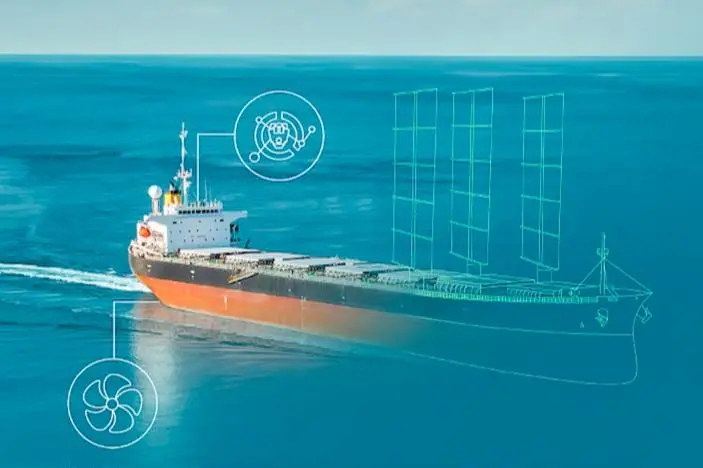
The report provides shipowners with a detailed overview of over 40 energy-efficiency measures and technologies, offering insights into fuel-saving potential, cost-effectiveness and suitability for different ship types.
“Energy-efficiency measures can not only cut emissions in the short term but also support the adoption of alternative fuels by reducing overall fuel demand and operational costs,” said Knut Ørbeck-Nilssen, CEO at DNV Maritime.
”With many such measures available, our report aims to help stakeholders navigate these choices and identify the best solutions for their fleets.”
Mounting urgency
With increasing regulatory pressure and rising fuel costs, the shipping industry faces mounting urgency to decarbonise while maintaining operational and economic viability.
The report outlines a three-step approach for managing decarbonisation risks: Defining greenhouse gas (GHG) trajectory and goals, assessing pathways for meeting these goals and developing a fleet decarbonisation strategy.
It also evaluates low-carbon and carbon-neutral fuels, onboard carbon capture, fuel cells and nuclear propulsion, providing a comprehensive toolkit for sustainable shipping.
As energy efficiency becomes increasingly vital, DNV’s report aims to equip shipowners with the knowledge and strategies needed to meet evolving regulations and ensure profitability well into the 2030s and beyond.
DNV is sponsoring the 2025 Motorship Propulsion & Future Fuels conference which this year will take place in Hamburg from 25-27 November.
Related Articles
 EMISSIONS REDUCTION TECHNOLOGY
 EMISSIONS REDUCTION TECHNOLOGY
 EMISSIONS REDUCTION TECHNOLOGY