DNV: Nuclear propulsion viable for decarbonisation
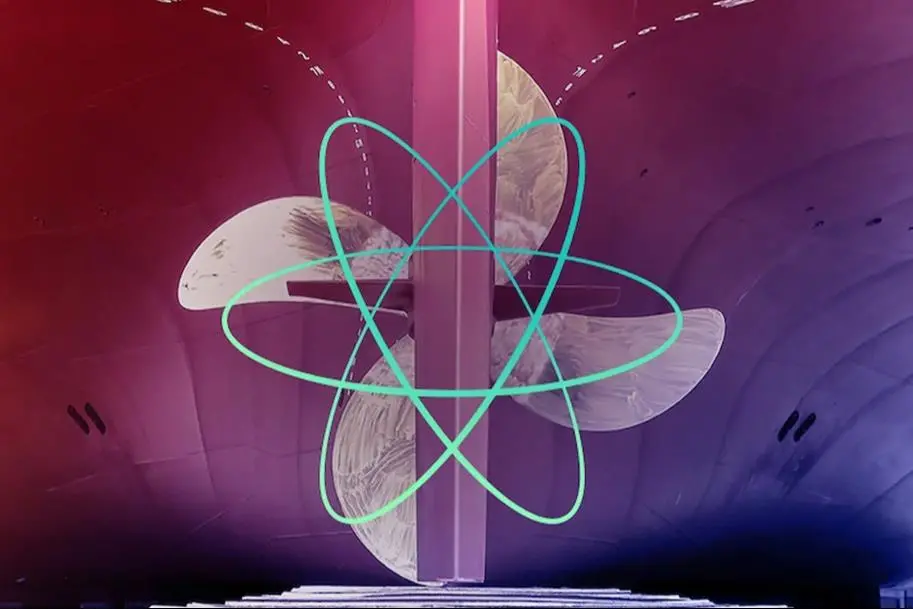
The white paper, “Maritime nuclear propulsion: Technologies, commercial viability, and regulatory challenges for nuclear-powered vessels,” highlights how marine nuclear technologies differ from land-based systems.
It explores key aspects of the future maritime fuel cycle, including fuel management, waste handling, vessel construction and the oversight of nuclear supply chains. Advances in automation, modular design and digitalisation are seen as central to improving safety and gaining public trust.
“Nuclear energy has the potential to play a role in the maritime energy transition. However, much work still needs to be done to overcome technical, regulatory and societal challenges,” said Knut Ørbeck-Nilssen, maritime CEO at DNV.
“This will require coordinated global action, technological innovation and closely aligned regulatory frameworks.”
Regulation key
DNV stresses that establishing a predictable, harmonised international regulatory environment, led by bodies such as the IMO and IAEA, is crucial to ensure safe deployment of nuclear propulsion at sea.
The report outlines possible regulatory roadmaps and emphasises the importance of cooperation among governments, flag states, and classification societies.
Commercial prospects remain linked to cost efficiency and business model innovation.
Ole Christen Reistad, senior principal researcher at DNV, said: “For nuclear propulsion to become commercially viable in shipping, the business case must account for the full lifecycle costs, including fuel supply, reactor maintenance and waste management.”
DNV concludes that mass production, standardisation and modularisation could make nuclear propulsion a cornerstone of sustainable maritime transport.
The white paper quickly follows Lloyd’s Register guidance which outlines a practical roadmap for safely and responsibly integrating nuclear technology into commercial shipping.