



EEDI modification for ferries
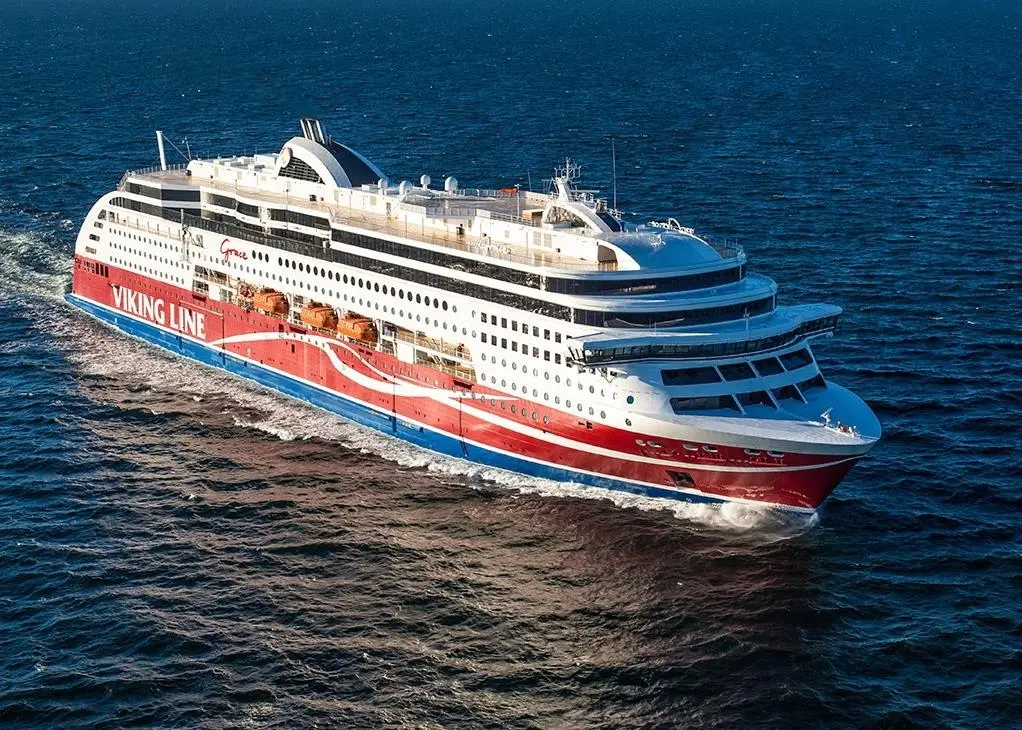
The MEPC 65 modification will take effect from 2016 and will replace the one size fits all approach for tankers, bulk carriers and container ships in force since January this year.
Interferry has always been of the view that the index doesn’t address the short sea sector’s specialised power requirements and variety of ship types.
To this end the sector has been granted a two year extension to develop fairer solutions focusing on optimising vessel design rather than reducing design speed – which the association says would have prevented the replacement of a host of ships across a variety of markets that compete with road transport.
Interferry cooperated extensively with CESA, the European Shipbuilders Association, to achieve the modification.
Johan Roos, executive director of EU and IMO affairs, Interferry, said: “It is highly positive that a relatively small sector of the global shipping industry has been able to come together and provide the detailed technical expertise needed to demonstrate a feasible way forward.
“Interferry never challenged the objective of the proposed regulation – not least because greater fuel efficiency is at the top of every ferry company’s agenda – but it was vital to recognise that deep sea and short sea shipping are very different industries.”
The new EEDI will add a level of complexity in the ship design process though – fuel efficiency will need to be improved by 5% by 2016 when compared to existing designs, by 20% from 2020 and by 30% from 2030.
Related Articles
 ALTERNATIVE FUELS & LUBRICANTS
 GENERAL NEWS
 GENERAL NEWS