



Electric offshore drives
As a result, several converter systems have been integrated and commissioned, combining the Ingedrive technology with Ulstein Power & Control functionalities and regulation requirements, mainly for Ulstein PX105 and PX121 vessel designs. Ingeteam says that cooperation between both companies has resulted in smooth and quick commissioning in the shipyards satisfaction from shipowners. The company expects this fruitful collaboration to continue in the future.
One such system can be found onboard the installation support ship Siem Moxie. With a length of 74m and a capacity for 60 crew, this vessel is designed and built to for support construction and installation of offshore wind farms, and to enable fast and safe access to offshore platforms and wind turbines.
Siem Moxie was built at Fjellstrand’s Norwegian shipyard and features a main propulsion system which, rather than using a conventional azimuth thruster, uses a Voith Propulsion unit. This has been selected in order to provide high levels of manoeuvrability. With the Voityh system, a change in thrust direction is achieved by changing the angle of the vertical blades whereas an azimuth thruster requires the the vertical shaft to be re-directed. In short, according to Ingeteam, the system permits almost instantaneous changes in direction without the need for conventional rudders.
The Ingeteam package consists of two water-cooled Ingedrive LV400 converters with a rated power of 2MW each for main propulsion, two 1.5MWs drives of similar configuration for bow thrusters, and a 1.1MW device for the retractable propeller. All of the equipment operates in ‘sensorless’ mode without the need for encoder feedback.
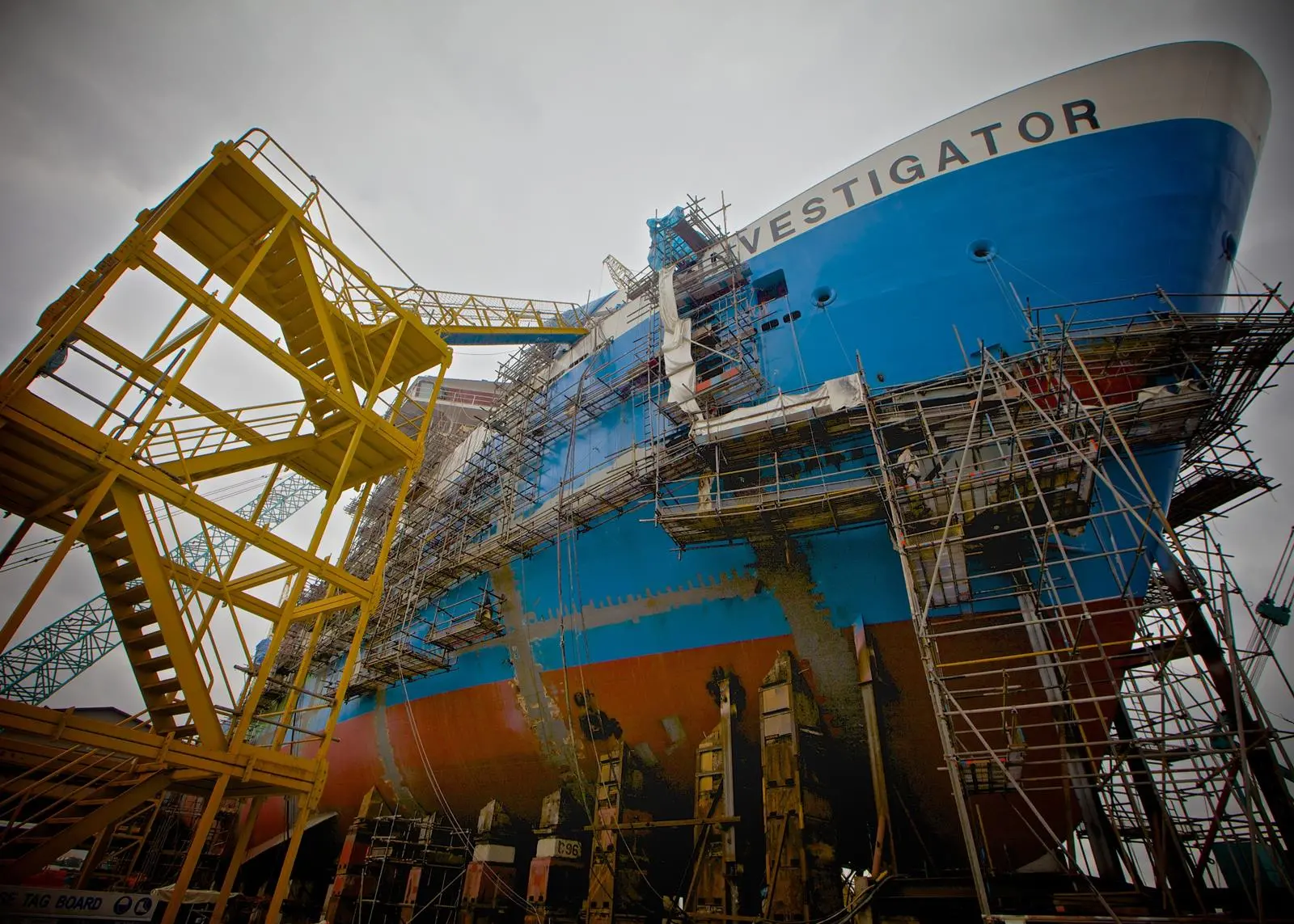
Another recent project for Ingeteam has been the CSIRO (Commonwealth Scientific and Industrial Research Organisation) project in Australia), for the research vessel Investigator. The ship was built at the Sembawang Shipyard in Singapore.
Ingeteam’s scope of supply included two main propulsion units, each with a 3MW LV400 water converter) and a bow thruster with a 1.4MW LV400 water converter. With a length of 90m and a capacity for 58 crew (18 permanent staff working for the shipowner and 40 scientists), the Investigator’s main task is oceanographic research on the seabed (oceanographic). For this purpose, the design incorporates a ‘silent mode’ function, which must comply with the ICES 209 standard, which governs the radiation of underwater noise from research ships. To achieve e demands of the standard, the converters vary their switching frequency at the outlet in order to decrease noise and vibrations emitted through the water.
Three similarly-equipped vessels have been supplied to the Spanish Institute of Oceanography (IEO), but Ingeteam says that Investigator is the first to be supplied to an international client.
Related Articles
 PROPULSION
 GENERAL NEWS
 GENERAL NEWS