



ESL highlights technical sustainability investments
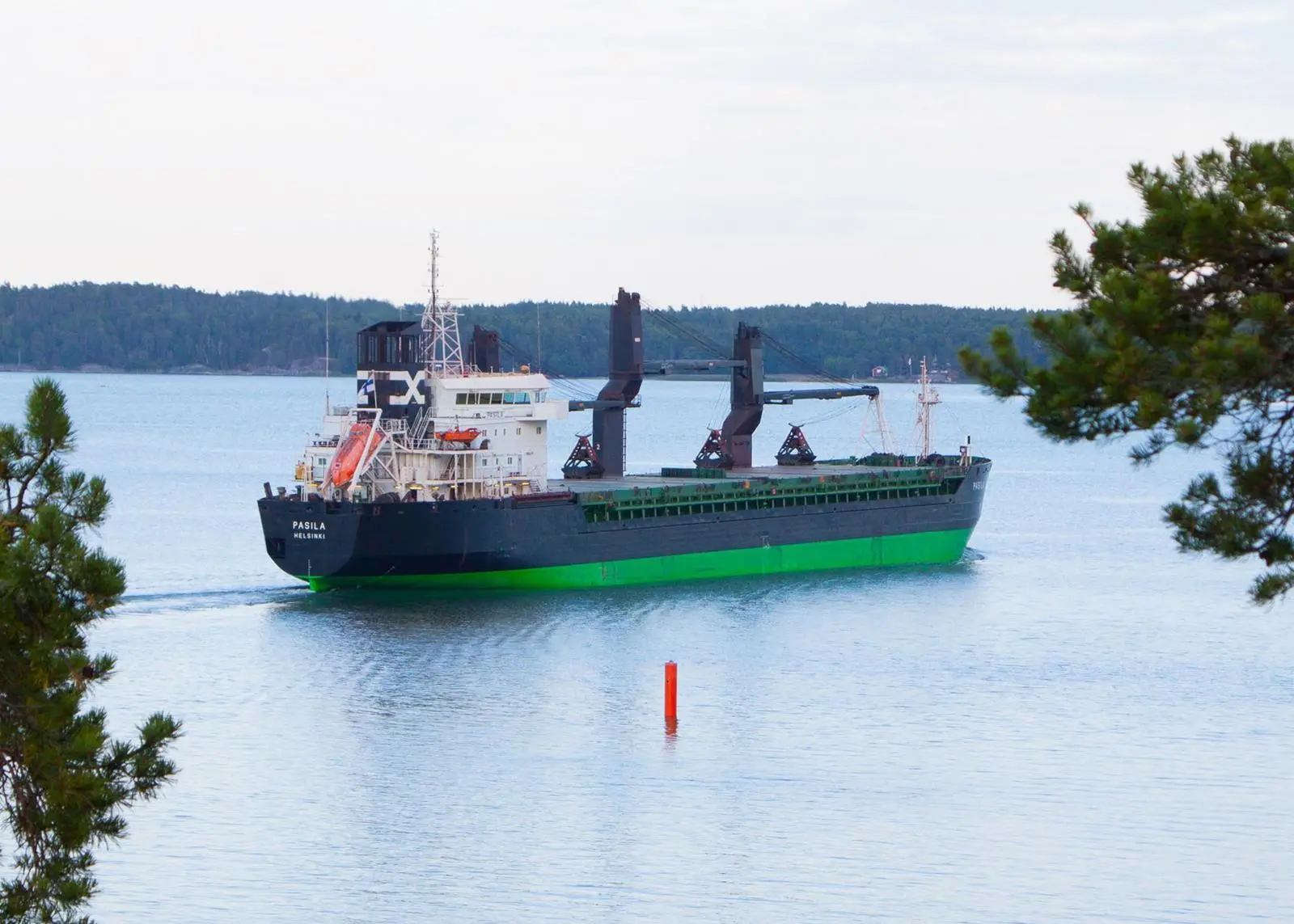
The company, which operates a fleet of 17 vessels and is to take delivery of two LNG-fuelled bulk carriers this year, added a new silencer to auxiliary engines on its ship Eira late in 2017. The engine provides power for cranes and cannot be turned off at port in Helsinki, with residential buildings nearby. Tests showed that the silencer had reduced noise emissions at port by 30%.
ESL also participated in autonomy projects working towards improving safety and operational efficiency. It was one of several partners in the Rolls-Royce led Advanced Autonomous Waterborne Applications (AAWA) project and partnered with cargo equipment company MacGregor to test automatic cranes onboard a newbuild vessel.
Emissions compliance is monitored and tracked through an environmental management system certified by class society Bureau Veritas. The system, based on ISO 14001, creates a base for improvement of environmental issues.The company also reported its response to an incident in which its ship Arkadia was found to be carrying non-compliant fuel in a sulphur Emission Control Area. After an investigation the company found that high-sulphur fuel used outside the ECA had been pumped into the low-sulphur day tank, contaminating the fuel in use. Procedures were amended on Arkadia and on the rest of the fleet to prevent this from reoccurring.
The company supports the International Chamber of Shipping’s proposal to the IMO for long-term greenhouse gas emission reductions, and is hoping to cut CO2 emissions by 50% in its own newbuilding project. As reported, the LNG-fuelled bulk carriers will feature a hybrid propulsion arrangement that includes auxiliary engines connected to the main shaft by a permanent magnet shaft generator from WE Tech. This gives an additional boost of 1,250kW, resulting in a combined shaft line power of 7,250kW, helping the bulkers operate in demanding ice conditions.
ESL’s 2017 sustainability report can be downloaded here.
Related Articles
 ALTERNATIVE FUELS & LUBRICANTS
 GENERAL NEWS
 GENERAL NEWS