



ESL Shipping and Finferries join autonomy project
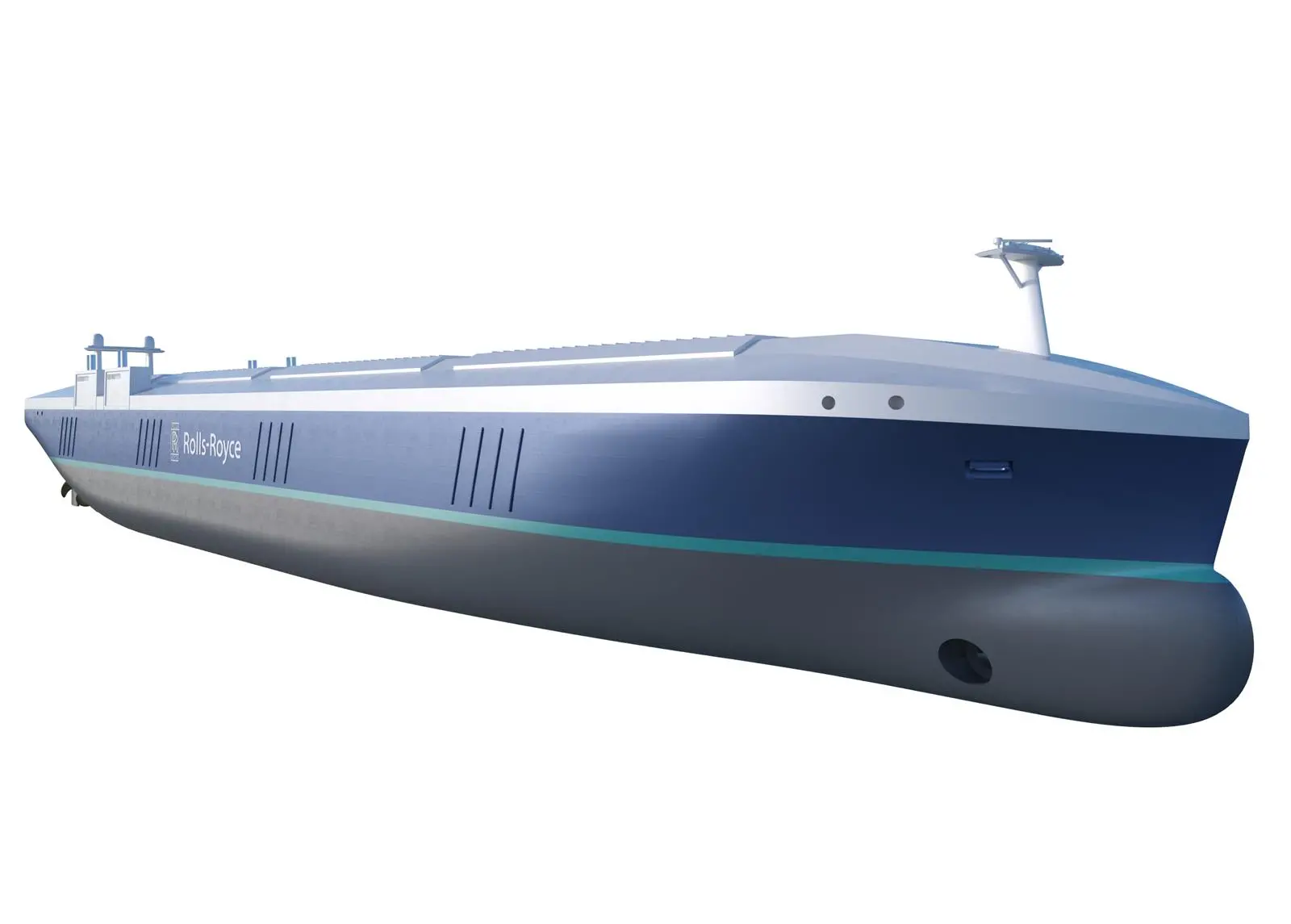
The announcement came as the consortium – also including Inmarsat, Deltamarin, NAPA, DNV GL and five universities – presented the findings of the initiative’s first year of research to stakeholders, potential customers and media this week. The project is focussed on developing solutions that go towards the introduction of the first remote controlled and autonomous ships.
As reported, Finferries will enter the project by hosting a test of advanced sensor equipment – including cameras and radar – onboard its 65m double-ended ferry Stella. ESL Shipping will help the project explore the implications of remote control and automation technologies for the short sea cargo sector.
Mats Rosin, managing director of Finferries, said: “Finferries is pleased to be able to contribute to the development of a safer shipping industry by finding the optimum, cost effective, combination of visual and thermal cameras, radar and Lidar to enhance mariners’ situational awareness, helping them navigate safely and avoid collisions.”
Mikki Koskinen, managing director, ESL Shipping, added: “We have seen increasing interest in, and acceptance of, remote and autonomous technologies worldwide across the transport and logistics industries. While not all ships will be remotely operated or autonomous, these developments have the potential to transform mariners’ jobs for the better. The work will not disappear but it will be different and more attractive to younger generations. By participating in the AAWA project we will get an early insight into the impact of such transformation on our industry, our business and the lives of the people who work in it.”
Finnish company Brighthouse Intelligence, a start-up founded by former Nokia and Microsoft executives, has also joined the project. It is charged with developing cybersecurity solutions and commercialising technology developed under the initiative – including the situational awareness technology packages, likely to fuse input from a number of sensors, which will be a pre-requisite for autonomous vessels. The AAWA consortium forecasts that such technologies will become commonplace in shipping, and will eventually become regulatory requirements as their safety advantages become apparent.
Next steps
The consortium, which aims to develop proof of concepts by 2018 – including a demonstrator vessel employing remote control and partial autonomy – is currently in the early stages of defining solutions across four main areas: technology, safety and security, social/legal acceptance, and business models.
As well as the sensor test onboard the FinFerries vessel, next steps in the technology strand include developing and simulation testing the control algorithms required for various degrees of vessel autonomy. A simulated autonomous ship control system, already developed, will also be harnessed to the latest generation of global satellite communications systems.
In the other strands, work on risk management for the design and operation of vessels will be continued; legal case studies and an in-depth examination of potential liability issues will be undertaken; and further modelling of the business case, economic factors and potential new markets will be undertaken.
An in-depth report will follow in the May print edition of The Motorship.
Related Articles
 ALTERNATIVE FUELS & LUBRICANTS
 GENERAL NEWS
 GENERAL NEWS