



EU backs German LNG ships
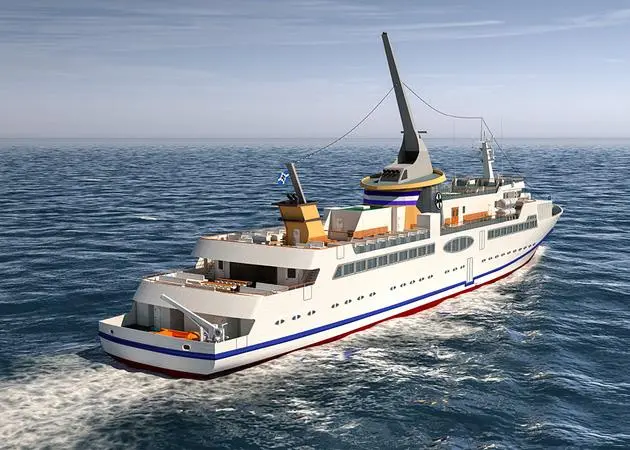
In one project, the EU is putting up €4.175 million towards a dual-fuel ferry propulsion system operating mainly on LNG and using two 9-cylinder Wärtsilä 20DF medium-speed engines.
They are being installed in a new 83m North Sea passenger and freight ferry being built for AG Ems at Fassmer Werft on a hull being delivered this month by Poland’s Hullkon Shipyard in Stettin. AG Ems subsidiary Cassen Eils will put the new ship into operation from next May between Cuxhaven and Heligoland.
The EU contribution to the project under the TEN-T Programme covers half of what Brussels reported was the €8.35 million cost of building and installing the LNG system on the ferry, which it described as “a pilot for a new generation of green ships”. She will be the first AG Ems newbuild with LNG drive.
However AG Ems spokeswoman Corina Habben told The Motorship that the EU contribution only covered the LNG and ferry link aspects of the project and not the total cost of the new ship, which represents an investment of €30 million for her owner.
The second EU promotion, also under TEN-T, covers a €3.07 million contribution to a pilot project involving the installation of LNG DF propulsion on another AG Ems ferry, Ostfriesland and the creation of an associated port operational infrastructure. The ship will be the first AG Ems ship ever to boast LNG propulsion.
Ostfriesland is being retrofitted – also with Wärtsilä 20DF engines and an LNGPac – and is at the same time being lengthened at the BVT Shipyard in Bremen from 78.7m to 92.7m for operation from early next year.
Corina Habben reported that project partners Groningen Seaports and NPorts were each getting €25,000 of the EU contribution to install the required LNG and handling facilities in their facilities. A third partner Stiftung Energy Valley was receiving €150,000 for its ecology work in the North Sea tidal flats. The rest of the money, or just over €1 million, was going to AG Ems, she said.
Related Articles
 ALTERNATIVE FUELS & LUBRICANTS
 GENERAL NEWS
 GENERAL NEWS