



EUs Fit for 55 package poses particular challenges for cruise industry
The Fit for 55 legislative proposals mean that greenhouse gas (GHG) emissions in the EU should be reduced by 55% by 2030 compared with a 1990 baseline. The proposals expand the EU’s emissions trading system to maritime transport, introduce a minimum tax on certain fuels and vessels plus set a maximum limit on the GHG intensity for energy used onboard.
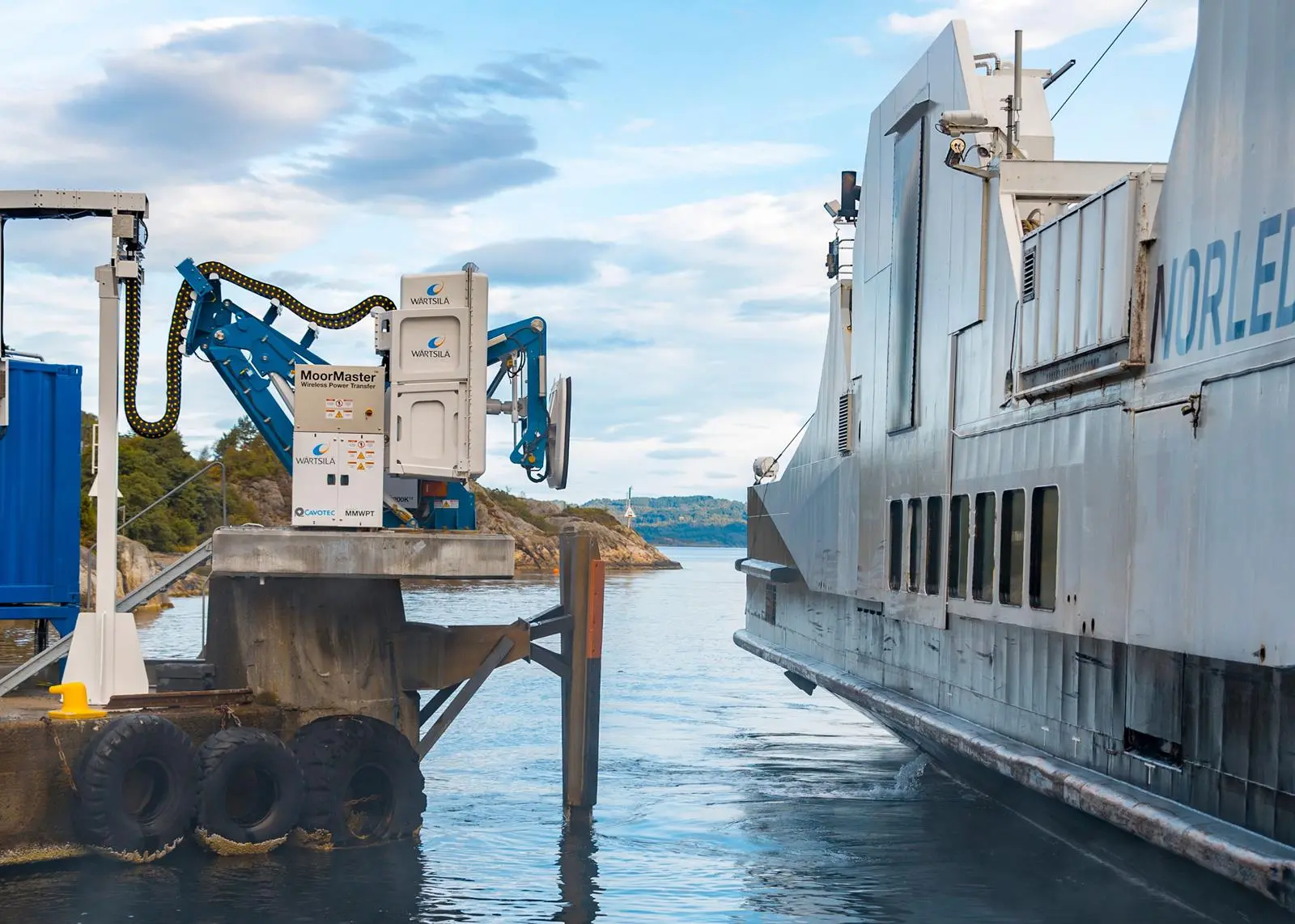
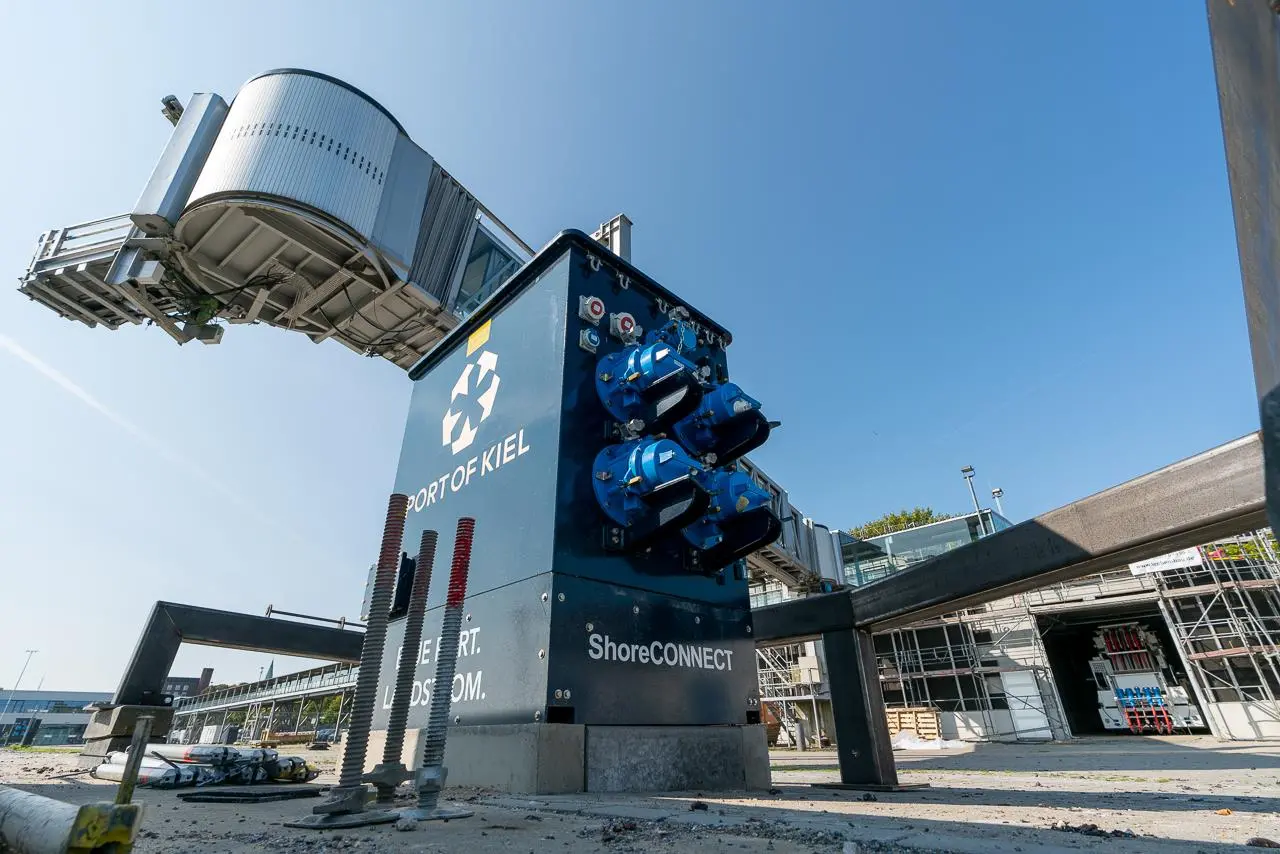
Passenger ships and container vessels are, as a main rule, required to use shore power or demonstrate the use of another zero emission technology.
“There are in reality two key elements in the Fit for 55 package that are directly relevant here, FuelEU Maritime Regulation, and the revision of the Alternative Fuels Infrastructure Directive,” said Hans Eivind Siewers, Maritime Segment Director for Passenger Ships & RoRo at DNV.
As far as the Fuel EU Maritime in concerned, the shore power provision (Article 5) that kicks in in 2030 is relevant for all passenger ships above 5,000 gross tons.
There are, however, a number of exception clauses also listed in Article 5, and the regulation will not apply to ships:
(a) that are at berth for less than two hours,
(b) that use zero-emission technologies,
(c) that have to make an unscheduled port call for reasons of safety or saving life at sea;
(d) that are unable to connect to on-shore power supply due to unavailable connection points in a port;
(e) that are unable to connect to on-shore power supply because the shore installation at the port is not compatible with the on-board on-shore power equipment;
(f) which, for a limited period of time, require the use of on-board energy generation, under emergency situations representing immediate risk to life, the ship, the environment or for other reasons of force majeure.
Some flexibility already, subject to further discussions
“In particular, items d) and e) will probably imply some flexibility in ports without these facilities, especially in smaller ports,” Siewers said in a written response to The Motorship.
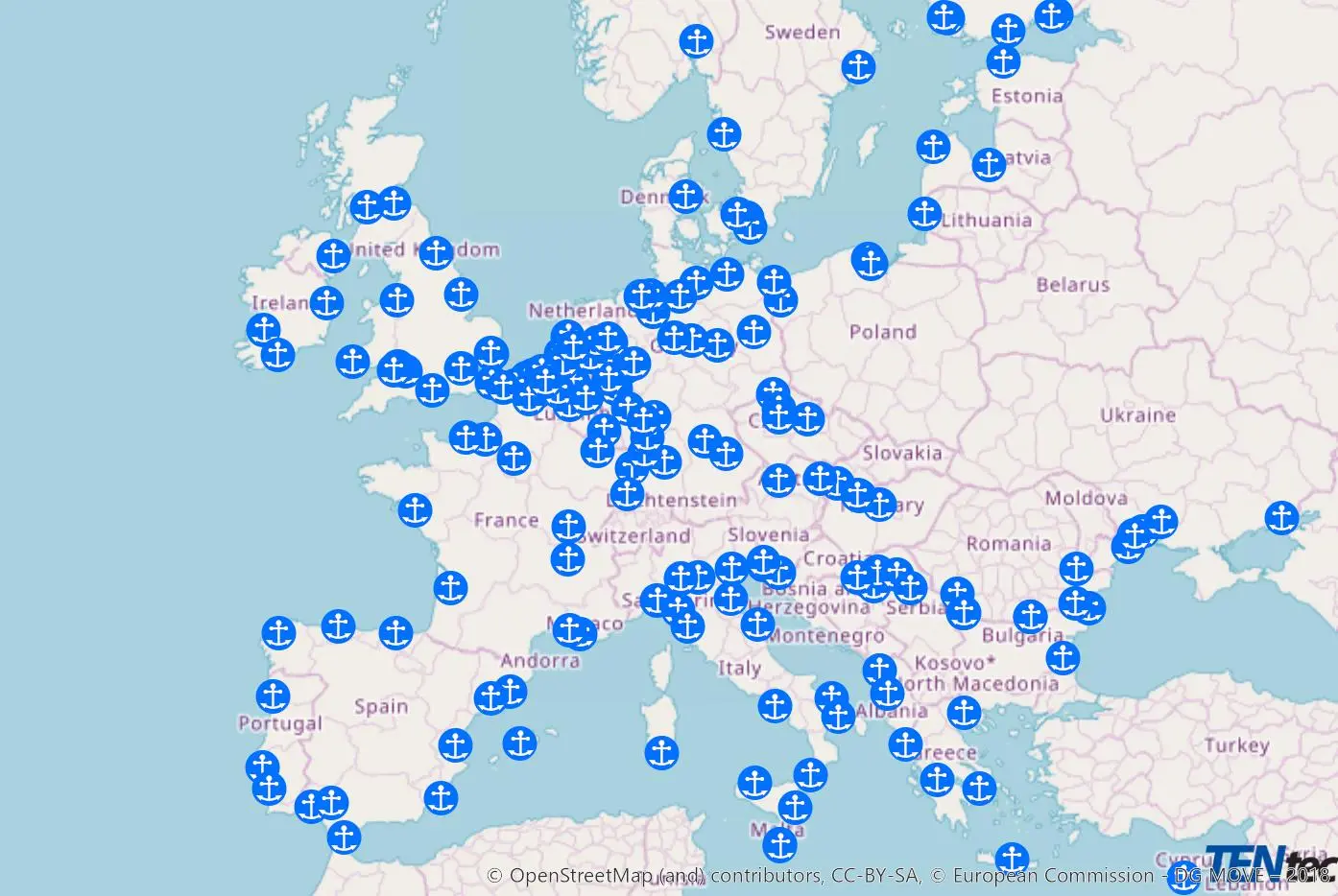
To cover all ports in the EU with shore power by 2030 would be very challenging. “However, the Alternative fuels infrastructure directive mandates the installation of OPS (Onshore Power Supply) in all core Trans-European Transport Network (TEN-T) ports by the end of 2025, so we certainly could see a significant expansion in coverage,” Siewers continued.
How these ports will dimension the installations – and source the necessary power – remains to be seen. Negotiations on the proposed directive are continuing, while the details of how the directive will be integrated into national legislation, and the practical implementation will have to be clarified.
“Additionally, we have of course, seen cruise ports already investing in OPS before any EU-wide regulation has kicked in, and we expect to see that continue, driven by local initiatives and requirements,” Siewers pointed out.
Finally, the Regulation and Directives are at present proposals from the European Commission that need to be negotiated with the European Parliament and European Council, and changes may result from those negotiations.
Siewers noted that to date, only a select number of ports worldwide offer shore power to cruise ships. Relevant high-effect facilities are available only in about 15 ports, most of them in North America and Northern Europe.
“An increase in this availability will result in an increase in cruise ships outfitted with this technology. Many of the cruise ships on order are already specified with this capacity, with retrofitting planned for many vessels in upcoming dockings. Overall, we believe this is a trend that is only likely to increase,” he concluded.
The cruise industry will face many challenges when it comes to CO2 emission free port calls from 2030, said Peter Albrecht, Senior Advisor at the Finnish consultant engineering company Elomatic.
As it is unrealistic to assume that in just nine years’ time the global cruise fleet could be converted to operate on fuels that do not produce any CO2 emissions, the objective of CO2 free port calls should be met by the use of shore power, he pointed out.
Connecting large cruise ships to land grid not simple
“The power grid ashore, throughout Europe, uses 50Hz frequency. However, on cruise ships, the frequency is 60Hz,” he said. The frequency can be increased to 60Hz by the use of converters, but conversion losses will inevitably require more power to be supplied from ashore than a vessel requires onboard.
Larger cruise ships mainly have a high voltage power system onboard, but local grids connected to the port do not always meet this requirement. In such cases transformers must be added to the port side.
The practicalities of supplying large amounts of electricity to large cruise ships also need to be considered, given the density of the HVAC cables required to carry the power from ship to shore. Such cable are generally limited to lengths of about 100 to 150 metres to fit in a container. The cable has to be uncoiled in full to prevent it from overheating, which means it takes up a lot of space on the quayside.
Another challenge is the capability of the land based power grid to cope with a surge in demand when a large cruise ship is connected to it: the hotel load of a single ship is in the region of ten thousand kilowatt.
To install a system that would allow a cruise ship to be connected to land based power grid is very expensive and the ports will have to think how many of such installations will be viable as investments, which will affect the price of the shore power.
From an operational point of view, only berths that have shore power connection could be used by cruise ships, which means operational challenges to both the port and cruise lines.
Making the connection is also an operational aspect worth taking notice of: these systems operate at 6.6kV, which means they are high voltage installations on which only people certified for such tasks can work.
Smaller passenger ships, such as expedition type cruise vessels and ferries, can face these challenges easier than the large cruise ships that increasingly dominate the cruise industry. Expedition cruise ships are relatively small and their power requirement is consequently much lower.
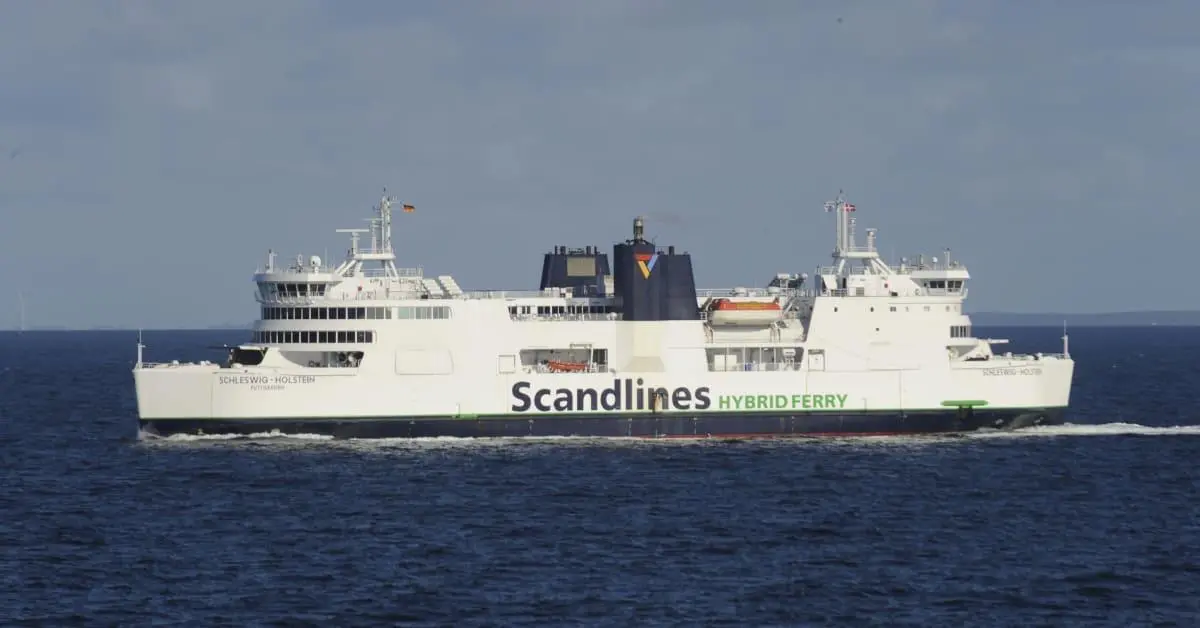
The same is largely true with ferries. They also usually operate only between two ports and use the same berths at every call, which means that it is much easier to arrange shore power. Ferries that trade e.g. between Finland and Sweden have a 50Hz onboard power grid, which eliminates the need of a converter and facilitates the use of shore power, which actually is widely used by them, Albrecht concluded.
MSC Cruises, the Geneva based operator of large cruise ships, is like many of its peers working on developing solutions that would make cruising emission free. However, the company said it was not ready to share its preparations externally, with proposal documents running into the thousands of pages. It was also liaising with industry trade associations, to understand the proposals and the implications for shipping and for MSC Cruises as a business.
Several projects at MSC Cruises
“We are working on several projects where hydrogen could be adopted as an energy source. Solid oxide fuel cell technology, which will be trialled on one of our early LNG ships, can be powered by hydrogen, bearing in mind that this would need to be ‘green’ hydrogen in order to ensure its carbon free credentials,” the company said in a written response to The Motorship.
MSC Cruises recently signed a memorandum of understanding SNAM and Fincantieri to determine the feasibility of hydrogen powered cruise ships with a focus on design and construction requirements.
“We are working with technology providers, including Wartsila, on the European Union-funded ‘Project CHEK’, to investigate the potential contribution that numerous onboard technologies can make to support zero emissions in shipping, including the use of hydrogen powered engines,” the company added.
The cruise industry will have to work hard to meet the objectives of the EU’s Fit for 55 programme, but the EU should also help the industry to meet these demands, said Hans Lagerweij, CEO of the Danish expedition cruise operator Albatros Travel.
Use funds from marine fuel tax to subsidise shore power
The target of zero emission port calls is particularly demanding for the expedition cruise sector as ships of these companies frequently call at small ports that do not receive many cruise ships.
“Part of the funds that are raised from tax on marine fuel should be used to subsidise the installation of shore power facilities at these smaller ports,” Lagerweij told The Motorship. The Motorship notes that in some countries the cost of extending grid connection capacity falls upon local municipalities.
He welcomed the principle of charging the shipping industry for emissions, but added that the funds that the EU collects from doing this should be earmarked for R&D of new technologies that help the industry to reduce its emissions. A fund should be set up for this purpose, he added.
There is also a danger that the Fit for 55 programme will lead to increased bureaucracy and therefore additional costs to the industry, Lagerweij pointed out, adding that it may expedite the removal of older, less efficient ships from service.
While the Covid-19 pandemic has left only a few mainstream cruse ships built in the 1980s in service – and none dating from earlier decades – there are still several expedition vessels of this vintage in operation
However, Lagerweij welcomed the Fit for 55 programme and said. ‘It must be done and it can be done. It’s possible and realistic.” The path to meet the requirements of Fit for 55 includes some uphill struggle, although this will probably not be insurmountable.
Related Articles
 METHANOL
 MONITORING, CONTROL & DIGITALISATION
 MONITORING, CONTROL & DIGITALISATION