



Ferry company puts LNG plans on hold
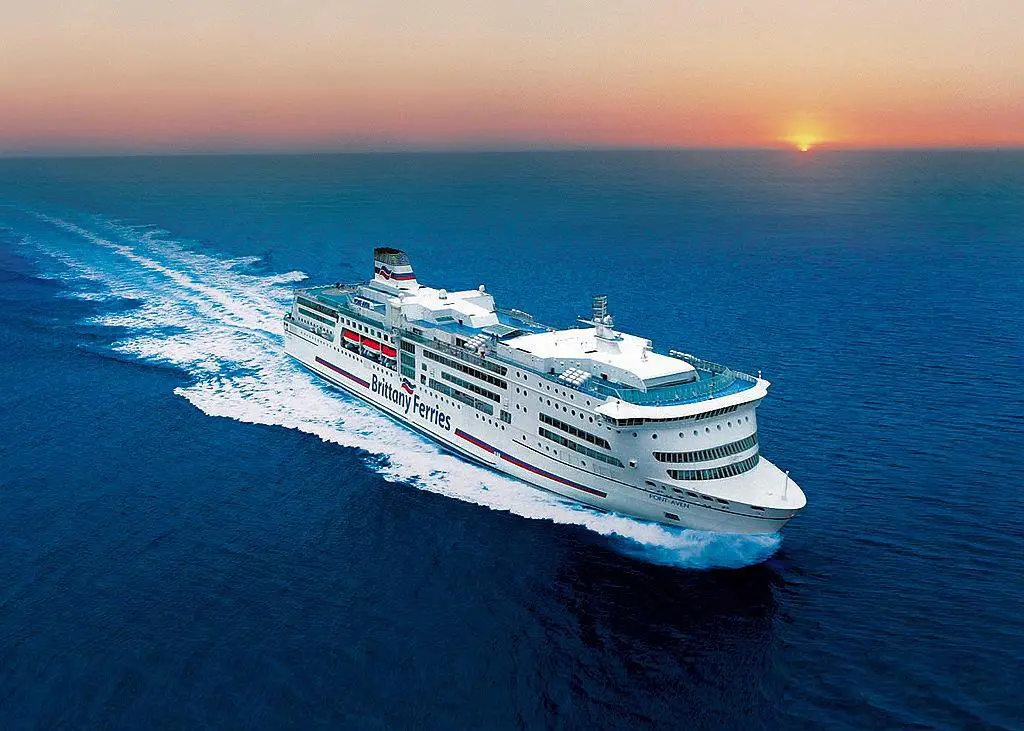
At the beginning of 2014, the company committed itself to an ecological transition plan in response to the MARPOL sulphur emissions regulations which will enter force on 1st January 2015 in ECAs. This involved construction of a new LNG-fuelled ferry and conversion of the three newest ships in the fleet to operate on LNG. However, the company told
The Motorship
that the preconditions enabling the plan to be financially viable have not been met, so the company is going with the distillate fuel and scrubber options instead.
Brittany Ferries says it has “worked tirelessly over recent years to convince governments of the desperate need for a temporary exemption from the new rules, contained within the revised MARPOL Annex VI.” But it seems unlikely that any exemption will be granted, despite, as the company says, “Brittany Ferries’ ambitious plan going above and beyond what is required by the new rules, thanks to its reliance on LNG, which exceeds requirements concerning emissions of sulphur, CO2, nitrous oxide and particulate emissions.”
The company says it is simply unable to bear the costs of the “double penalty” that would be incurred by this programme.
Jean Marc Roué, Brittany Ferries’ chairman said: “It is impossible for us to commit to an ecological transition plan which requires such a high level of investment, when, due to the absence of a temporary exemption, we will also incur hefty additional annual costs amounting to tens of millions of euros, due to us being obliged to use diesel instead of heavy fuel oil until our ships have been converted. We have worked tirelessly for a temporary exemption but these efforts have sadly been in vain. Without it, the economic viability of our LNG programme is in jeopardy. It is my duty to protect the company and its staff at a time when the European ferry industry is confronting numerous challenges.”
Mr Roué added: “All of our partners who have worked with us on this project have demonstrated the technical feasibility and the environmental benefits of this pioneering, futuristic technology. However I have taken the decision to suspend the LNG component of our ecological transition plan. It’s a decision I take with much regret and disappointment.”
The company’s revised plan for dealing with the medium-term effects of the ECA rules still, we are told, involve an investment of €70-80 million. The ships which were planned to be operated on gas fuel will, instead, be equipped with exhaust gas scrubbers to enable them to meet or exceed the new sulphur emissions rules.
Related Articles
 ALTERNATIVE FUELS & LUBRICANTS
 GENERAL NEWS
 GENERAL NEWS