



Floating tsunami debris response
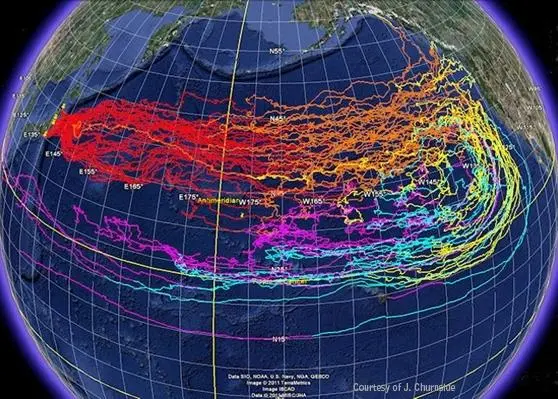
Models predict it will also reach the West Coast of the United States in 2013.
Any incident response will depend on how the debris behaves and what it is made up of, the US Coastguard said today.
They added that the debris field does not contain hazardous materials – but it still has the potential to create havoc for shipping nonetheless.
Adam Eggers of the LA/Long Beach US Coastguard division said to MS: “We deal with non-hazardous debris and its affects on shipping from an environmental standpoint – in the same way as an oil spill.
He added, “Everyone is involved in the monitoring process at this stage including large container ships and the ports. The Coastguard Vessel Traffic Service monitors ships entering and leaving the ports and allows information to be shared. It is the coastguard’s responsibility to ensure shipping operates safely and efficiently during any crisis”.
Worryingly, the debris is moving more quickly than previously anticipated. The National Oceanic and Atmospheric Administration (NOAA) and the University of Hawaii researchers have run a model using OSCURS (Ocean Surface Current Simulator) to estimate general direction and drift rate of debris.
Article first published in Port Strategy
Related Articles
 ALTERNATIVE FUELS & LUBRICANTS
 GENERAL NEWS
 GENERAL NEWS