



Fuel injection unit seizure caused by coking debris
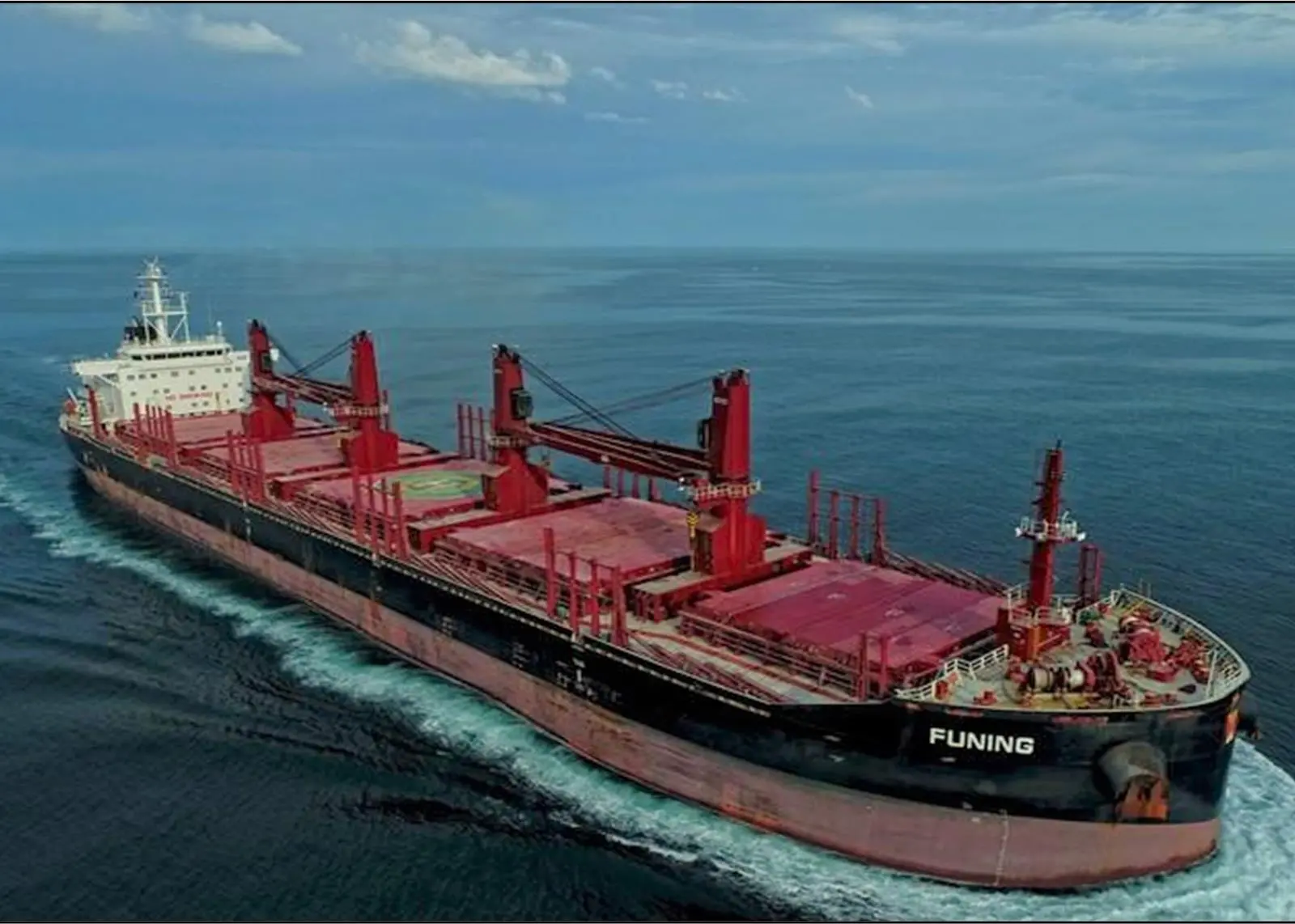
The ship’s rudder and propeller tangled in a buoy mooring chain after the main engine failed. The failure occurred when the fuel injection unit seized due to coking debris caused by the low-viscosity fuel.
During preparations to depart the Port of Tauranga, the vessel’s engineering team noted an engine system alert that a fuel injection control unit was faulty and worked to fix the component.
On departure, the Funing’s master told the Port of Tauranga pilot that the engine was free of defects. The vessel departed its berth, and several minutes later let go of its tug assistance. The pilot ordered full ahead, but the main engine did not deliver full power, and the vessel slowed and halted in the water, drifting with the outward-flowing current.
Despite attempts by tugs to help, the vessel drifted over a channel marker buoy and the buoy’s mooring chain tangled around the Funing’s rudder and propeller.
Over the next several hours, tugs assisted and towed the Funing to a safe anchor point outside the harbour limits. Later, the Funing was towed back into port. It had sustained damage to the rudder stock and the tip of one propeller blade.
TAIC concluded that, prior to departure, the master and chief engineer did not communicate effectively about the engine problem and what it meant for the ship’s ability to move and steer. The ship’s engineers did not tell the master about the faulty fuel injection control unit or its repair status, and they did not conduct a final pre-departure test. As a result, the master and the harbour pilot worked on the understanding that the main engine was in full working order.
It is very likely that coking debris caused the fuel injection control unit to seize, reports TAIC. This was likely due to fuel leakage, the result of increased wear of injection control unit components and low-viscosity low-sulphur fuel. The ship’s crew were unfamiliar with engine manufacturer Wärtsilä’s latest maintenance guidance to deal with the effect of low-sulphur fuels on its engines.
The wind and tide conditions at the time of the Funing’s departure were at the upper end of the allowable environmental limits described in Port of Tauranga’s safety management plan. The incident showed that the port’s allowable weather windows were beyond the ability of its tugs to mitigate the risk of a vessel losing power while under pilotage.
Thome Ship Management now has new procedures in place to guide masters and chief engineers in communicating safety-critical information. The company’s safety management system documents now capture and integrate maintenance and safety updates from equipment manufacturers.
The Port of Tauranga has changed its procedures to reduce the risk of an unescorted ship suffering main engine failure in the port entrance. It has reduced the maximum allowed wind speed for ship departures. It requires tugs to escort certain ship types more frequently when there is a high swell. It is committed to increase emergency response training for pilots and tug masters.
TAIC notes that Wärtsilä’s guidance documents on the effects of low-sulphur fuels in its injection control units, had become separated over time. The Funing’s engineers had no single, comprehensive guidance document to address all the effects of low-sulphur fuel on injection control unit maintenance. So, TAIC has recommended that Wärtsilä take further steps to help ensure users of its RT-Flex engines are fully aware of all the effects of the IMO sulphur cap and its operational effects on ICU performance, maintenance and lifetime service.
The report is available here.
Related Articles
 ALTERNATIVE FUELS & LUBRICANTS
 GENERAL NEWS
 GENERAL NEWS