



Green fuel scarcity could scupper decarbonisation
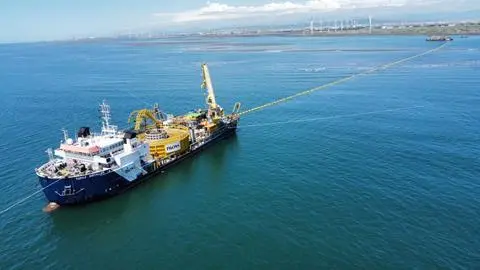
The ‘Developing P&O Maritime Logistics’ Decarbonisation Pathway’ paper, authored by head of HSSEQ, Benjamin Neal, addresses the obstacles faced by the industry as it aims to halt the 90% to 130% increase in maritime greenhouse gas emissions by 2050 that the IMO projects without major decarbonisation efforts.
Among these challenges, the identification of alternative fuel availability emerges as a central concern. With extensive debate around fuels such as methanol, ammonia, biofuels, hydrogen fuel cells, batteries and even nuclear energy, P&O Maritime Logistics acknowledges the need for research to assess which fuel is most suitable in a variety of settings.
“We are embarking on a transformative journey, carving a sustainable path for the maritime industry’s future,” said Martin Helweg, chief executive of P&O Maritime Logistics.
“By charting a strategic course that addresses challenges head-on and leverages opportunities, we are not just navigating change, we are leading it.”
The maritime offshore business model’s focus on short-term contracts and cost efficiency poses a significant hurdle to decarbonisation efforts, says the paper, which highlights the need for alternative business approaches that incentivise investment in decarbonisation.
Related Articles
 ALTERNATIVE FUELS & LUBRICANTS
 GENERAL NEWS
 GENERAL NEWS