



IBIA recognises LNG as fuel for ships
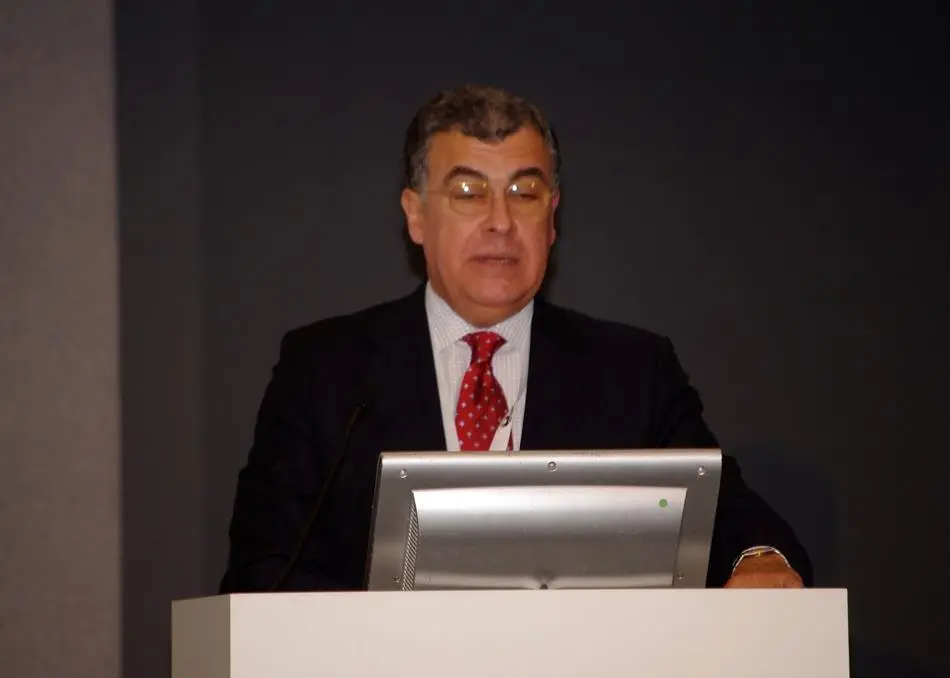
Acting chief executive Trevor Harrison said that the association would become more involved in the ongoing discussions on LNG as a fuel at the IMO. Several speakers at the convention referred to the potential of LNG as a fuel for merchant ships, while addressing industry concerns about the 2015 implementation of the 0.1% sulphur content cap in bunkers used within ECAs. One session was entirely devoted to the prospects for widespread use of LNG. The subject was, of course, under discussion at the same time at our own Gas Fuelled Ships conference in Rotterdam.
While there were some cautionary voices, IBIA’s considered view was that now is the time for the bunker industry to become involved in the development of gas powered ships. IBIA board member Nigel Draffin is to work closely with the Society of International Gas Tanker and Terminal Operators (SIGTTO) to provide input into the development of IMO’s IGF Code.
The convention covered many other topics of concern to both bunker suppliers and buyers. While the debates were good natured, several of the issues covered were controversial, right from the keynote speeches which put forward opposing views on the impact of the 2015 ECA regime. Manuel Carlier, director general of the Spanish Shipowners’ Association (ANAVE), and a director of the European Community Shipowners’ Association (ECSA), expressed owners’ concerns. Arnaud Leroy, senior project officer, European Maritime Safety Agency, and working with the European Commission on Marine Fuels, countered with the case for continuing with its proposals which in some respects exceed IMO ECA requirements.
Carlier said that it was likely that bunker costs for ship operators would increase by between 70% and 100% while operating in ECAs and that there would be a total increase in operating costs 25% to 40%. He asked: “Can this cost be passed to customers in the freight market?”
Leroy emphasised the need to enforce regulations and also pointed to claimed environmental and health benefits of imposing stricter sulphur limits. He also noted uncertainties surrounding the impact of the 0.1% sulphur cap. He was particularly doubtful about predictions of a modal shift away from shipping. He said: “Overall, the various studies offer differing conclusions as to whether a modal shift is imminent, which may in part, but not entirely, be explained by the difference in routes selected for their analyses. While the Swedish, German and ECSA studies in their high price scenario mainly foresee a substantial shift from short sea shipping to land-based modes, the Compass study acknowledges that there will be a cost increase and a change in transport volumes, but concludes that ‘it is not expected that changes in entry/exit points or shifts in modal balance (SSS to land) will take place’.”
This sanguine view was certainly not shared by Interferry’s executive director of EU and IMO Affairs, Johan Roos, who challenged the suggestion that there might not be a modal shift to land-based transport once the 0.1% cap was in force. He said that ferry operators were “baffled” by the European Commission’s stance. He asked: “Who cannot see that a 30% ticket price increase will not cause a modal back-shift?”
Related Articles
 ALTERNATIVE FUELS & LUBRICANTS
 GENERAL NEWS
 GENERAL NEWS