



ICCP and anti-fouling for cruise newbuild
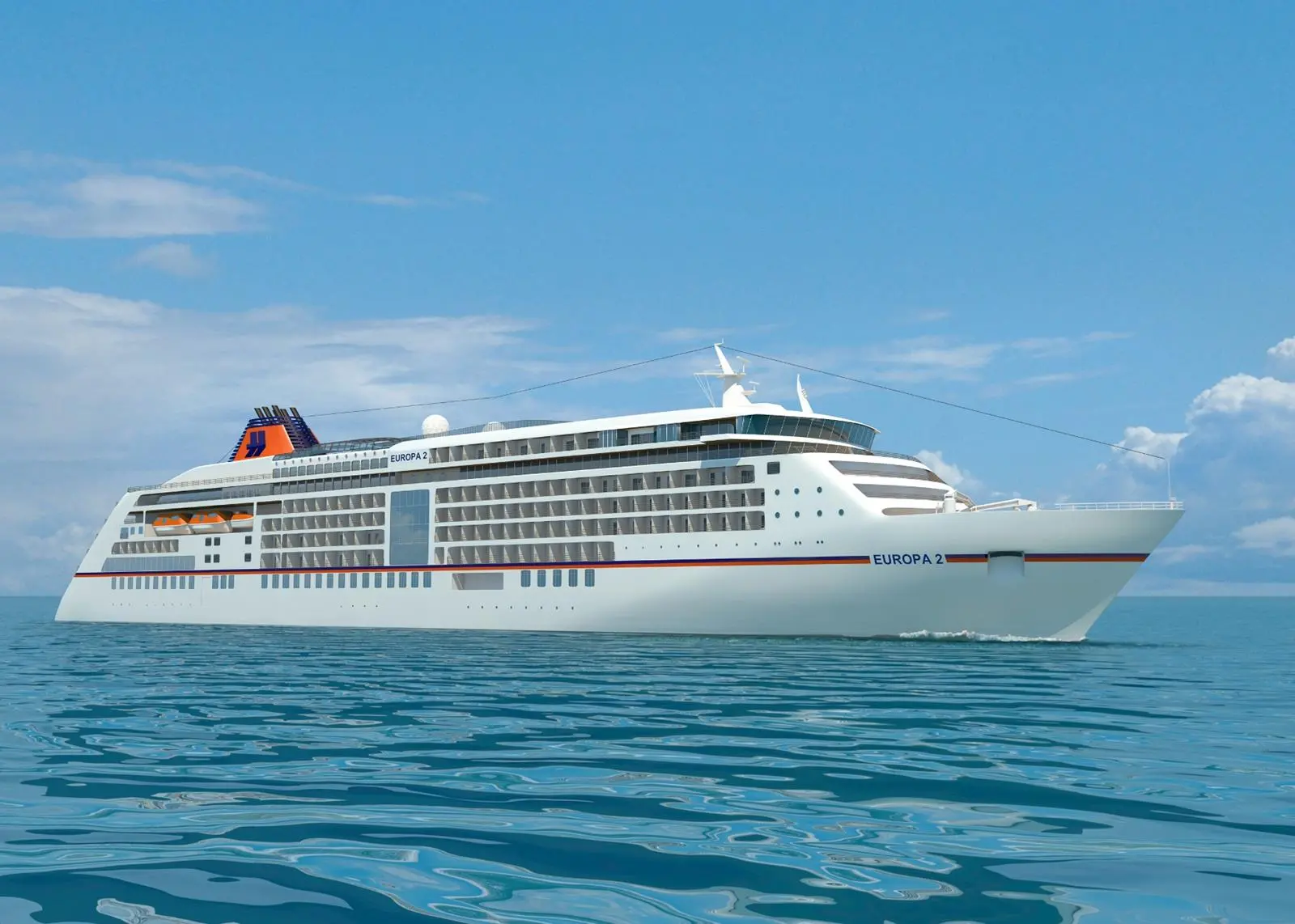
Cathelco will be supplying an impressed current cathodic protection (ICCP) system which it says will protect the hull surface against corrosion throughout the life of the vessel. For the 225m long Europa II, Cathelco will provide a 350A forward and aft system. The150 amp forward system will consist of two 75A elliptical anodes and two reference electrodes connected to a control panel. The 200A aft system, which will protect the stern of the ship and the more vulnerable area around the propellers, will consist of two 100A anodes and two reference electrodes. In operation, the reference electrodes measure the electrical potential at the hull/seawater interface and send a reading to the thyristor control panel which automatically raises or lowers the output to the anodes. In this way, the company claims, the hull receives the optimum level of corrosion protection at all times.
The seawater pipework anti-fouling systems will protect a total of six seachests, safeguarding the engine cooling lines and a range of auxiliary services against blockages caused by bio-fouling. Two seachests with flow rates of 1516m3/hr will both be equipped with three copper anodes and one aluminium anode wired to control panels. In operation, the copper anodes produce ions which are carried throughout the pipework system and produce an environment where mussel and barnacle larvae do not settle or breed. At the same time, the aluminium anode produces ions which create a cupro-aluminium film which acts as an anti-corrosive layer on the internal surfaces of pipes. In this way, the company says the system is dual purpose, by simultaneously eliminating bio-fouling and suppressing corrosion. The other four seachests, with smaller flow rates, are protected by pairs of copper and aluminium anodes wired to control panels. Cathelco says that its system’s ability to dose large volumes of seawater makes it suitable for the large volumes of water required by cruise ships for engine cooling and shipboard services.
The new ship, which is scheduled to enter service in 2013, will have 258 cabins and a maximum passenger capacity of 516 people. It is claimed to provide a five-star alternative to the existing Europa with an itinerary which will cover Mediterranean destinations in the summer months and more distant voyages in the winter.
Related Articles
 ALTERNATIVE FUELS & LUBRICANTS
 GENERAL NEWS
 GENERAL NEWS