



IMCA calls on ship operators to clean hulls
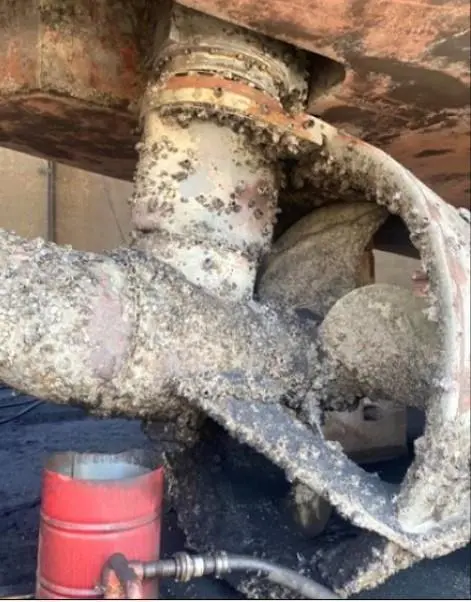
The association has produced a white paper, which says marine invasive species can affect biodiversity, natural resources, food security, economic development and even human health.
They can destroy native species; out compete native species for food, light, or nesting sites; take over and smother native wildlife; bring new diseases with them; and ultimately cause ecosystem change.
“Increased roughness presented by a heavily fouled ship hull can result in powering penalties of up to 86% at cruising speed; even relatively light fouling by diatom ‘slimes’ can generate a 10-16% penalty,” the paper says. “Due to these effects, and given that invasive species are an international problem, their effective management requires coordinated action by international and government agencies, NGOs, the private sector (including the projects that IMCA members execute), and local communities.”
The two phases of biofouling are microfouling, the formation of biofilm that adheres to the surface, and macrofouling, the attachment of organisms such as barnacles, soft corals, and seaweed.
The potential for marine invasive species transferred through biofouling has been recognised by the International Maritime Organization (IMO), and while there are no mandatory requirements (yet) to address it, “considering the growing importance of this topic, the present guidelines are developed towards assisting Ship Operators/Owners on best practices in reducing biofouling, developing, and implementing a Biofouling Management Plan (BFMP) and maintaining a Biofouling Record Book,” it says.
“This includes implementing vessel cleaning and disinfection procedures, and inspecting ballast water and hulls for potential invaders. A book should be maintained onboard the ship to record details of actions and outcomes of all measures as identified within the BFMP.”
The white paper also addresses water ballast, saying the loading and unloading of untreated ballast water can also threaten the marine environment by spreading species to regions to which they are not indigenous.
“These organisms include bacteria, microbes, small invertebrates, eggs, and larvae of various species,” it says. “Many of these organisms can survive for extended periods in inhospitable environments, including, a ship’s ballast tanks. When the ballast water is discharged, the organisms are released into the local marine environment. Without their natural predators and given the right conditions, these foreign species will not only survive but can also flourish, becoming invasive and threatening and even eliminating resident populations. Also on the economic front, the impact of invasive species is considerable.”
Mitigation measures
The first step to preventing marine biofouling is to identify and understand the factors that influence its occurrence and severity, says the paper.
These include physical, chemical, and biological characteristics of the water; design and material of the hull operational and maintenance patterns of the ship; and regulatory and legal requirements of the destination ports.
It certainly makes economic sense as well as ecological sense to keep a clean hull: cleaning a heavy slime coating can save 5% or more in fuel costs, the IMO says.
Related Articles
 ALTERNATIVE FUELS & LUBRICANTS
 GENERAL NEWS
 GENERAL NEWS