



IMO rolls out ship and port emission toolkits
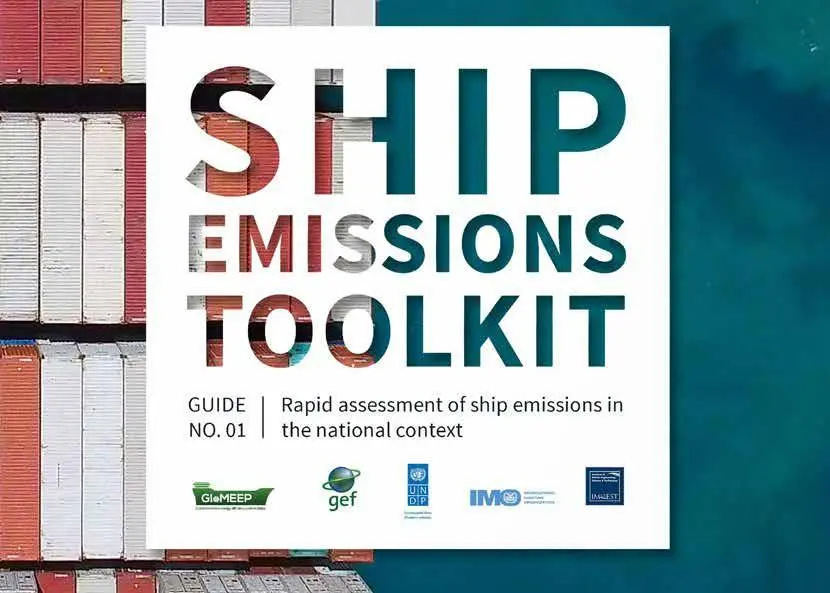
Developed under the GEF-UNDP-IMO Global Maritime Energy Efficiency Partnerships (GloMEEP) Project, the toolkits have also been designed to support countries seeking to develop and strengthen national policy and regulatory frameworks.
“Ports and shipping are intrinsically linked – as such, efforts to reduce maritime emissions need to extend beyond seagoing ships alone,” said Astrid Dispert, GloMEEP Technical Adviser.
“By utilising these guides, countries can develop national strategies which will address emissions from their maritime sector as a whole – protecting public health and the environment and contributing to the fight against climate change.”
Practical
Both toolkits have been developed through extensive testing and feedback from practical use of the toolkit guides during national and regional training activities held in the ten lead pilot countries participating in the GloMEEP project.
The Ship Emissions Toolkit provides a structured framework, as well as decision support tools for evaluating emissions reduction opportunities in maritime transport. It offers guidance to countries seeking to develop and strengthen national policy and regulatory frameworks related to the prevention of air pollution and the reduction of greenhouse gas (GHG) emissions from ships.
The Ship Emissions Toolkit not only considers emissions from international shipping but also encourages the user to assess emissions from and identify emissions reduction opportunities for the domestic fleet.
Meanwhile, the Port Emissions Toolkit focuses on ports are driven to understand the magnitude of the air emissions impact from their operations on the local and global community and to develop strategies to reduce this impact. It promotes port emissions inventories as the basic building block to the development of a port emissions reduction strategy.
The toolkits have been developed in collaboration with the Institute of Marine Engineering, Science and Technology (IMarEST) and the International Association of Ports and Harbors (IAPH).
Related Articles
 ALTERNATIVE FUELS & LUBRICANTS
 GENERAL NEWS
 GENERAL NEWS