



IMO takes first steps to address autonomous ships
To this end, the Maritime Safety Committee (MSC), has endorsed a framework for a regulatory scoping exercise, as work in progress, which will agree preliminary definitions of MASS and degrees of autonomy, as well as a methodology for conducting the exercise and a plan of work.
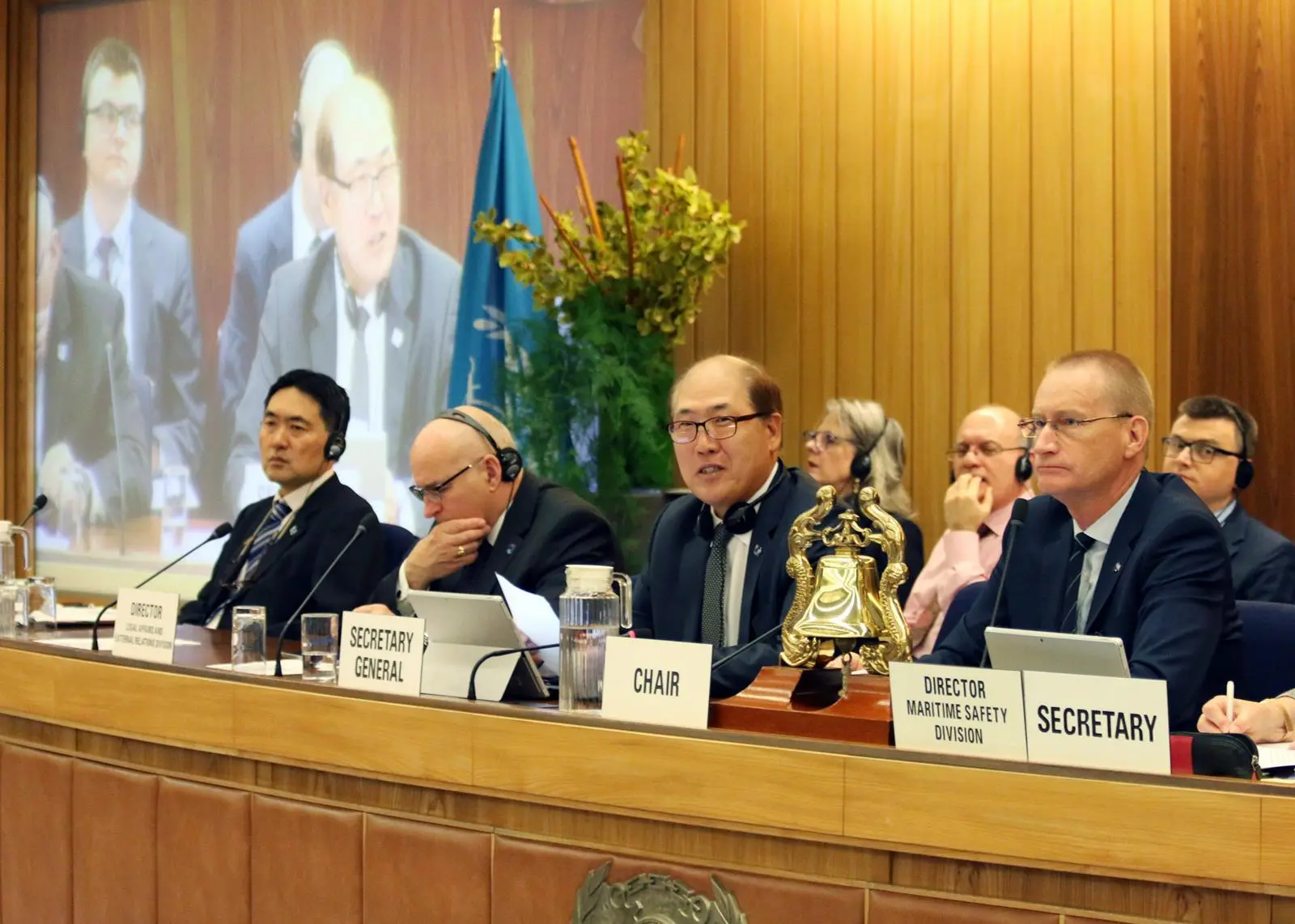
Speaking at the opening of the MSC meeting, IMO Secretary-General Kitack Lim highlighted the importance of remaining flexible to accommodate new technologies and so improve the efficiency of shipping, “while at the same time keeping in mind the role of the human element and the need to maintain safe navigation, further reducing the number of marine casualties and incidents”.
Incorporating MASS
As a first step, the scoping exercise will identify current provisions in an agreed list of IMO instruments and assess how they may or may not be applicable to ships with varying degrees of autonomy.
Secondly, an analysis will be conducted to determine the most appropriate way of addressing MASS operations, taking into account, inter alia, the human element, technology and operational factors.
The MSC, which met for its 99th session (16-25 May), established a correspondence group on MASS to test the framework of the regulatory scoping exercise agreed at the session and will report back to its next session, MSC 100 (3-7 December 2018).
The list of instruments to be covered in the MSC’s scoping exercise for MASS includes those covering safety (SOLAS); collision regulations (COLREG); loading and stability (Load Lines); training of seafarers and fishers (STCW, STCW-F); search and rescue (SAR); tonnage measurement (Tonnage Convention) and special trade passenger ship instruments (SPACE STP, STP).
The Committee has also invited interested Member States and international organisations to submit proposals related to the development of interim guidelines for MASS trials to MSC 100.
Related Articles
 ALTERNATIVE FUELS & LUBRICANTS
 GENERAL NEWS
 GENERAL NEWS