



India eyes liberalisation of coastal trade
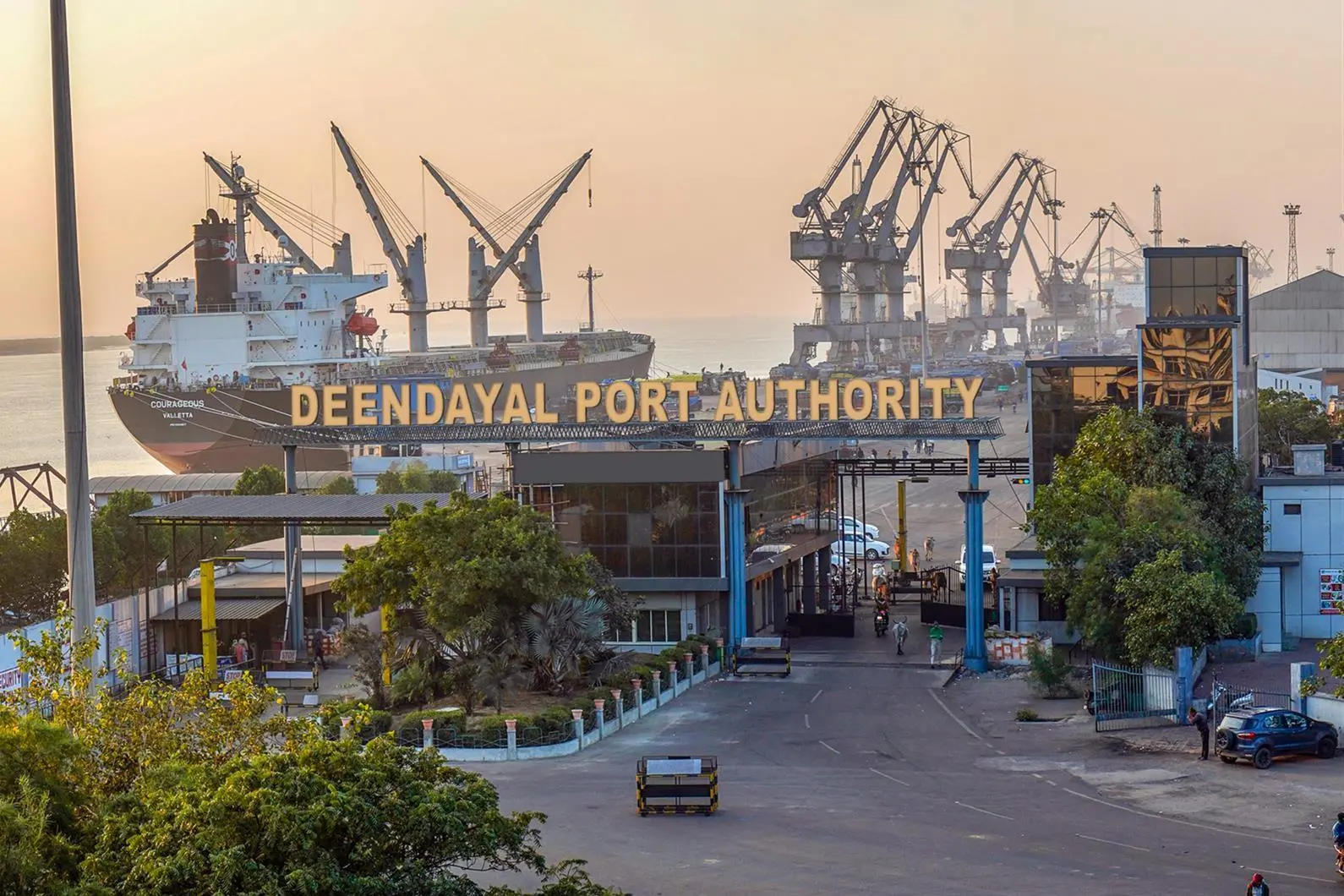
The country’s finance minister had previously outlined plans to promote the development of coastal passenger and goods traffic for the country in the February budget. The country hopes to increase the proportion of goods transported via India’s rivers and coastal traffic from its current 7% level (compared with 32% for rail and 62% for roads).
Despite limited liberalisation of cabotage rules since 2015 for pure car and truck carriers (PCTCs), LNG carriers and some other trades affected by limited domestic vessel availability, most foreign-registered vessels have needed to secure a licence from India’s Directorate General of Shipping to operate.
The strategy will remove remaining cabotage restrictions for coal, fertilisers, and other bulk goods such as iron ore, according to local media reports. The Motorship notes that is expected to offer significant opportunities for preferential cargo owners in the dry bulk markets to optimise seaborne transportation costs for exports to Indian customers, particularly if the strategy is accompanied by grants or subsidised loans to expand and modernise terminal infrastructure.
However, the decision by the Indian government to encourage the growth of coastal trade by encouraging greater foreign competition is not just being driven by a desire to lower logistics costs for export-oriented Indian manufacturers.
The governments of the US, India, Saudi Arabia, the UAE, as well as individual EU member states and the EU itself signed a memorandum of understanding on the sidelines of the G20 summit on 9 September to develop an India-Middle East-Europe Economic Corridor (IMEC). The project envisages the creation of electricity and hydrogen pipelines running alongside rail infrastructure inside India, as well as similar infrastucture in the Middle East connecting the Gulf with the Mediterranean coast.
The IMEC corridor is likely to encourage a significant deepening of existing trade and investment links between India, the Middle East and the EU, and is likely to expand trade volumes.
According to the White House press release, the participants will meet within 60 days to commit to an action plan.
Related Articles
 ALTERNATIVE FUELS & LUBRICANTS
 GENERAL NEWS
 GENERAL NEWS