



Industry concerns over US energy proposals
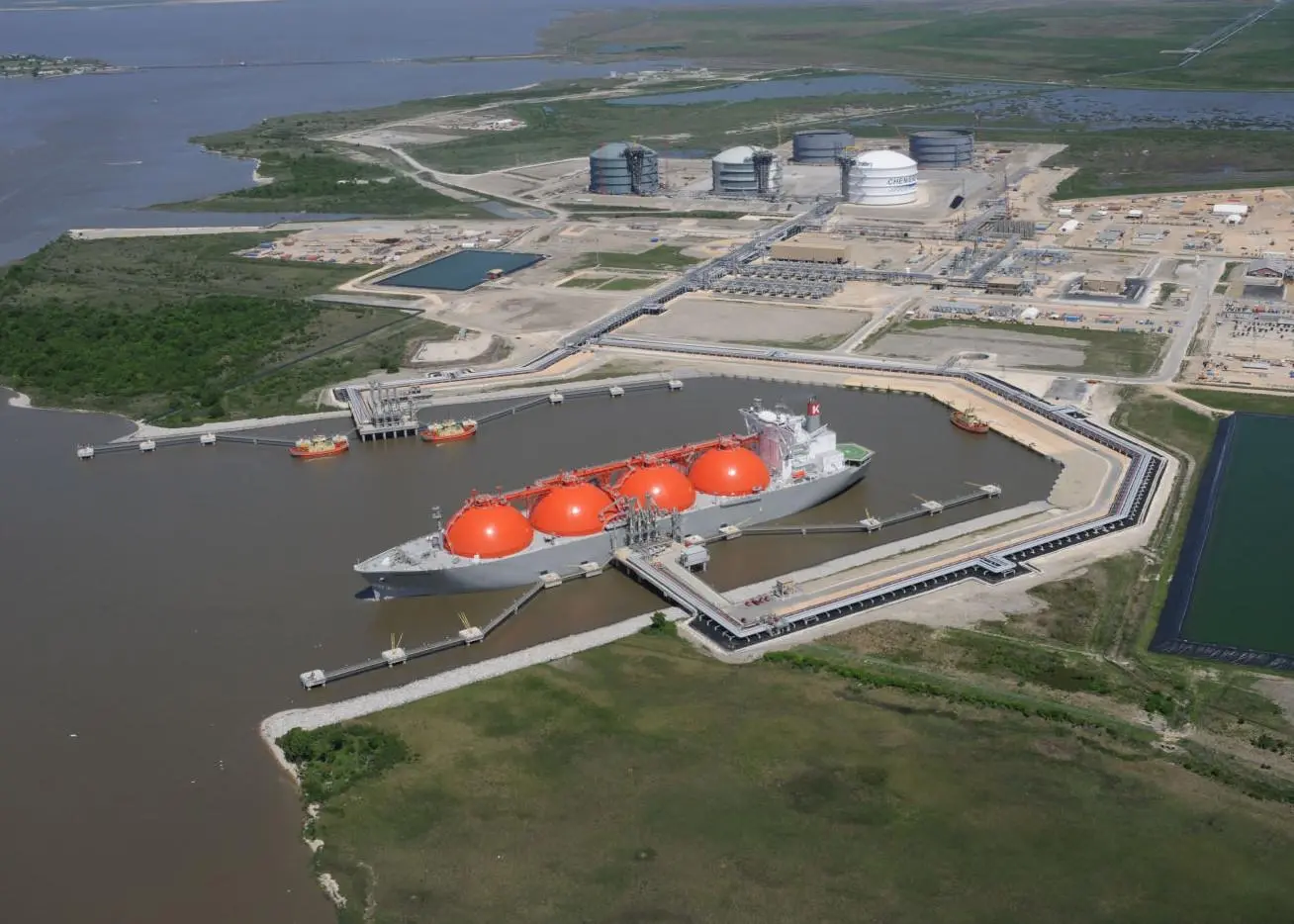
In December last year, US President Barack Obama approved the Howard Coble Maritime Transportation Act of 2014, Section 307. The legislation introduced amendments to the US Deepwater Port Act of 1974 and the US Coast Guard and Maritime Transportation Act of 2006, tasking the Secretary of Transportation with the development of a general programme to promote the export of LNG on US-flagged ships.
If a separate bill making its way through Congress, the Coast Guard Authorization Act 2015, is passed, the Secretary of Transportation will have 180 days to develop guidelines for the implementation of the programme.
A spokesman for ICS told The Motorship: “If and when these guidelines are developed, they should in turn give a clearer idea of the promotional measures that will be taken, and the timeframe within which they will be developed.”
The Howard Coble Act is already having an impact on access of foreign LNG carriers to the US market through its amendments to the Deepwater Port Act 2004. Section 4(i) of the 2004 act now states that when awarding licenses for LNG facilities the Secretary of Transportation should – for reasons of national security – give top priority to those facilities supplied by or supplying to US-flagged vessels.
ICS raised concerns about the protectionist nature of the legislation in light of the country’s multilateral and bilateral free trade commitments, and noted the “undesirable precedent” it sets should the US lift its 50-year ban on exporting crude oil. The Senate Committee on Energy and Natural Resources is currently considering lifting the ban, under the proposed Energy Supply and Distribution Act 2015.
The US would likely find it uneconomical to lock foreign carriers out of the LNG market due to its lack of an existing LNG carrier fleet or the expertise to build the vessels. But ICS fears that the US may look to other ways to promote its involvement in export – such as requiring foreign carriers to employ expensive US seafarers on their vessels.
The US does have a domestic oil tanker fleet though, and ICS warned that foreign carriers could be excluded from the potentially lucrative crude oil export market from the US, if the LNG legislation sets a protectionist precedent.
Further, the chamber noted that any protectionist moves by the US might be followed by other energy exporters such as Russia, Iran and Saudi Arabia. “This could seriously undermine the framework of open market access and free trade principles in shipping that has facilitated the efficient transport of energy worldwide since the 1980s,” the ICS warned.
Related Articles
 METHANOL
 MONITORING, CONTROL & DIGITALISATION
 MONITORING, CONTROL & DIGITALISATION