



Joining forces to prevent engine room fires
Since 2016, the partners have worked with stakeholders to collect data, analyse key risks, and develop safety barriers to manage risk factors. RCL has now launched a program to enhance engine room fire prevention using Wärtsilä’s technical solutions and maintenance procedures to lower fire risk. DNV GL has introduced a new class notation F(M-P), which focuses on the processes and people to help prevent fires in machinery spaces.
“The new notation brings together many aspects of barrier management to improve safety,” said Knut Ørbeck-Nilssen, chief exectuive of DNV GL – Maritime. “It covers not just the technical systems, but the processes used and the people involved, utilising best practices to provide a holistic approach to preventing these incidents.
“This notation shows the importance of learning from casualty data, and how by combining this with the insights from class and the industry we can work together to move safety forward,” he added.
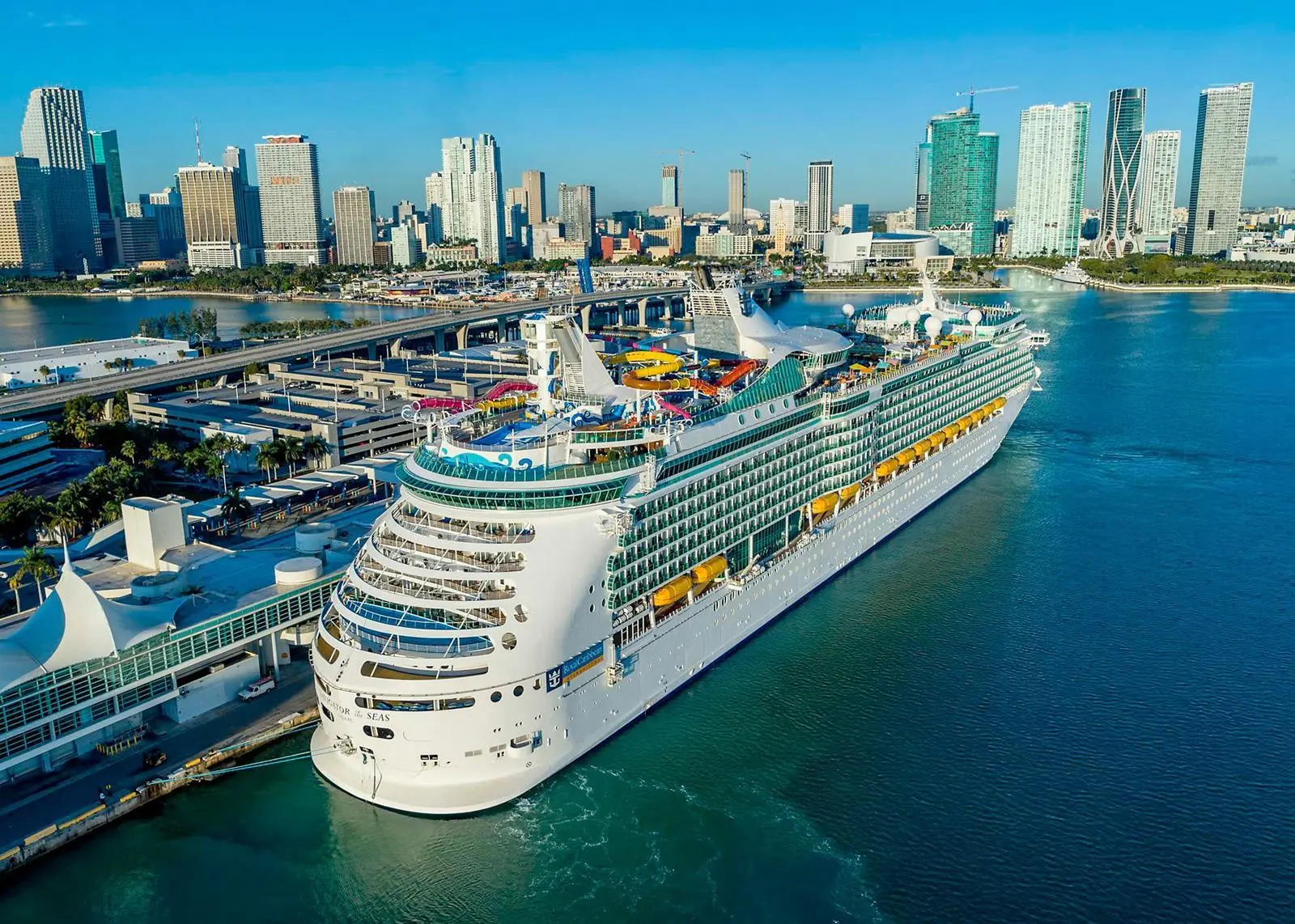
The new class notation, which will be implemented in RCL’s new cruise vessel Navigator of the Seas, identifies key areas for preventing fires in engine rooms. It sets in place standards and processes focusing on the prevention, detection and containment of oil leakage, the shutdown of system, as well as the prevention of ignition.
As casualty statistics indicate that many engine room fires occur when flammable liquid reaches a hot surface, the notation also introduces measures to prevent this from occurring.
Related Articles
 ALTERNATIVE FUELS & LUBRICANTS
 GENERAL NEWS
 GENERAL NEWS