



Liberia launches VOC service
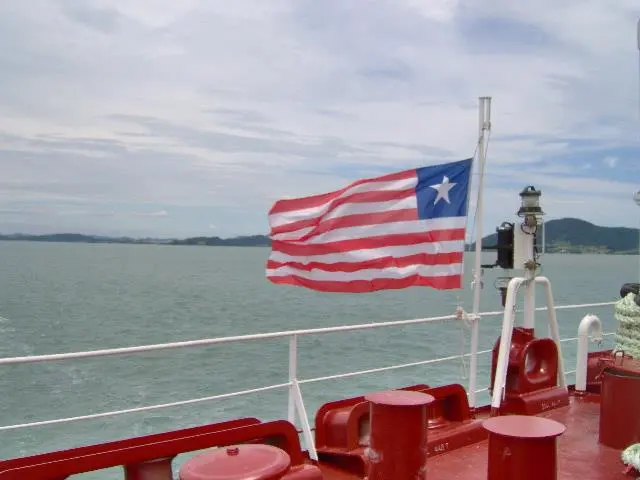
By 1 July, 2010, all tankers carrying crude oil will be required to implement and maintain on board an approved ship-specific VOC (Volatile Organic Compounds) plan in accordance with Regulation 15.6 of the revised MARPOL Annex VI. The VOC management plan is required in order to obtain a MARPOL International Air Pollution Prevention (IAPP) certificate.
VOC emissions are air pollutants which need to be controlled in the global effort to reduce the harmful effects of atmospheric pollution. VOCs from crude oil transports are a mixture of light-end components in crude oil, which can be emitted from oil and oil products during production, processing, loading, transport, unloading and storage. The lightest component, mainly methane, contributes to the greenhouse effect, while the heavier components, mainly propane and butane, contribute to the formation of ground-level ozone. The purpose of the VOC management plan is to ensure that tankers prevent or minimise VOC emissions, as far as is possible.
The Liberian Registry has put in place a scheme whereby tankers owners and operators whose ship fly the Liberian flag can have their VOC management plans expertly and cost-effectively reviewed and approved by the Liberian Administration.
Captain David Pascoe, senior vice-president of the Liberian International Ship & Corporate Registry (LISCR), the US-based manager of the Liberian Registry, says, “Regulatory compliance is becoming an increasingly onerous task in the shipping industry, and responsible ship registers can take some of the burden off their clients in this respect by adopting a proactive approach to issues such as this. Liberia believes in helping to make shipping a greener industry, and our clients will have full access to the proven global expertise of our dedicated audit and inspection teams in helping them achieve IAPP certification.”
Related Articles
 ALTERNATIVE FUELS & LUBRICANTS
 GENERAL NEWS
 GENERAL NEWS