



Liberian Registry develops pilot scheme for extended drydocking
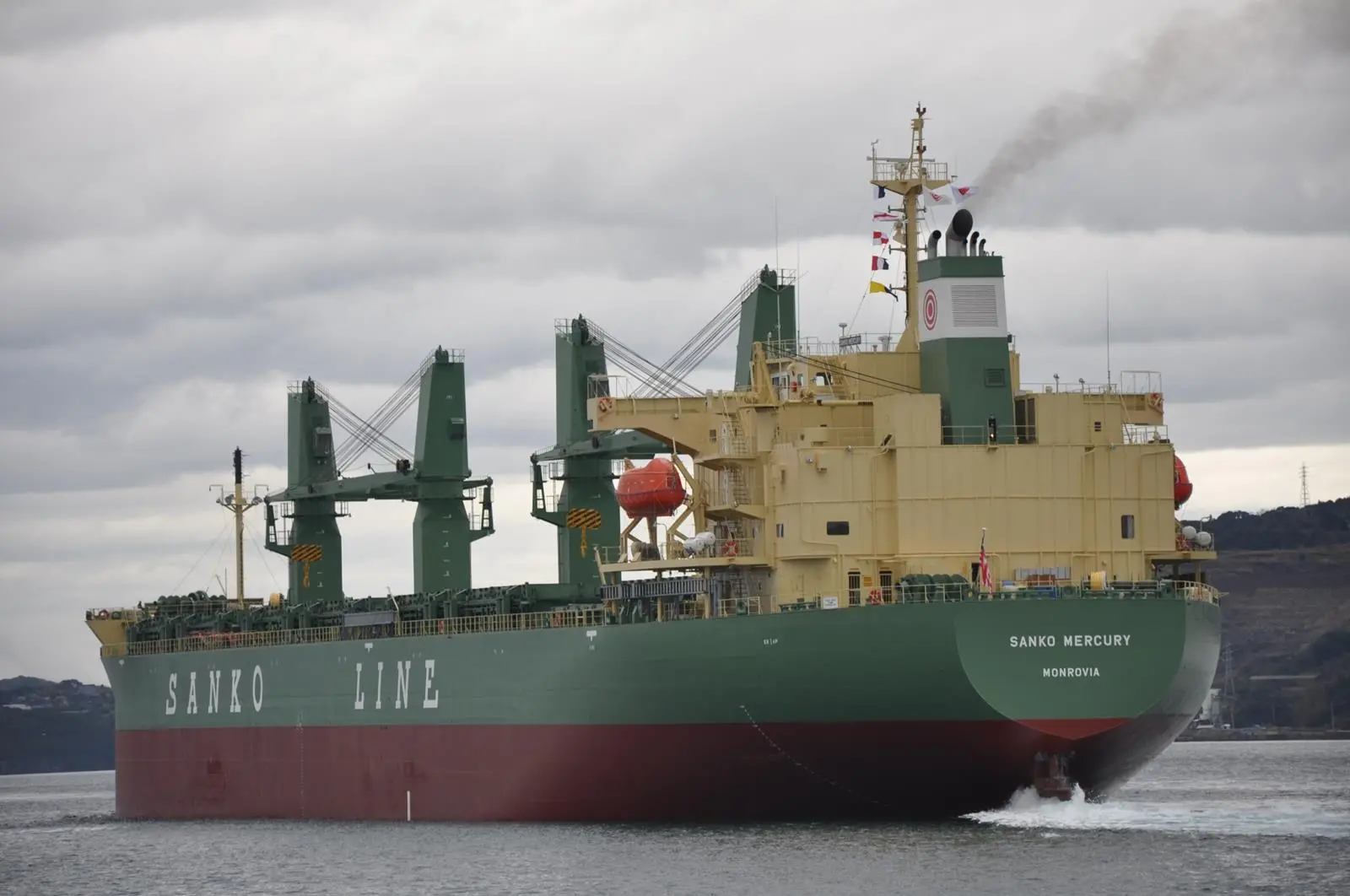
The intervals or periods between external inspection of ships’ bottoms which are specified in SOLAS and in classification society regulations provide that a minimum of two exterior inspections of the ship’s bottom should be held during the five-year validity period of the Safety Construction Certificate. But it is widely recognised, by classification societies and by others, that hull coatings have advanced over the years and that new products are now available which are more durable and which last longer than the products and technology which were available when these rules were drafted. The result is a reduction in the need for frequent drydocking to maintain and repaint, and recognition that drydocking cycles are no longer inexorably linked to class renewal cycles.
The programme, recently unveiled at the AGM of the Liberian Shipowners’ Council in Hamburg, defines the requirements which need to be fulfilled so that owners can keep their ships in lay-up with valid statutory certificates, or keep them running in order to earn money. The class renewal would be done via in-water surveys and the ships could get authorisation to be drydocked later. The scheme will require a qualified ship to be drydocked at seven-and-a-half-year intervals provided that two consecutive in-water surveys are satisfactorily conducted during the intervening period. Liberia has already co-operated, and started projects, with Germanischer Lloyd, ClassNK, and Det Norske Veritas.
The scheme would continue until the ship reaches fifteen years of age, but could possibly be extended to twenty years, subject to satisfactory service experience. Flag administration and classification society approval would be required in each case. Preparatory reviews, suitably documented, would be required prior to the introduction of the scheme, covering items such as service experience with high-resistance hull coating systems and with applicable rudder and stern-bearing arrangements, and a range of condition and maintenance reports.
Scott Bergeron, chief operating officer of the Liberian International Ship & Corporate Registry (LISCR), the US-based managers of the Liberian Registry, says, “The programme devised by Liberia may not be the ultimate solution for everybody. But it is certainly a means by which to ease some of the pressure which has been building on owners and operators, and which it is the responsibility of service providers such as ship registers to alleviate by proactive initiatives wherever possible, without compromising safety or efficiency.”
Related Articles
 ALTERNATIVE FUELS & LUBRICANTS
 GENERAL NEWS
 GENERAL NEWS