



Looking ahead at MEPC80
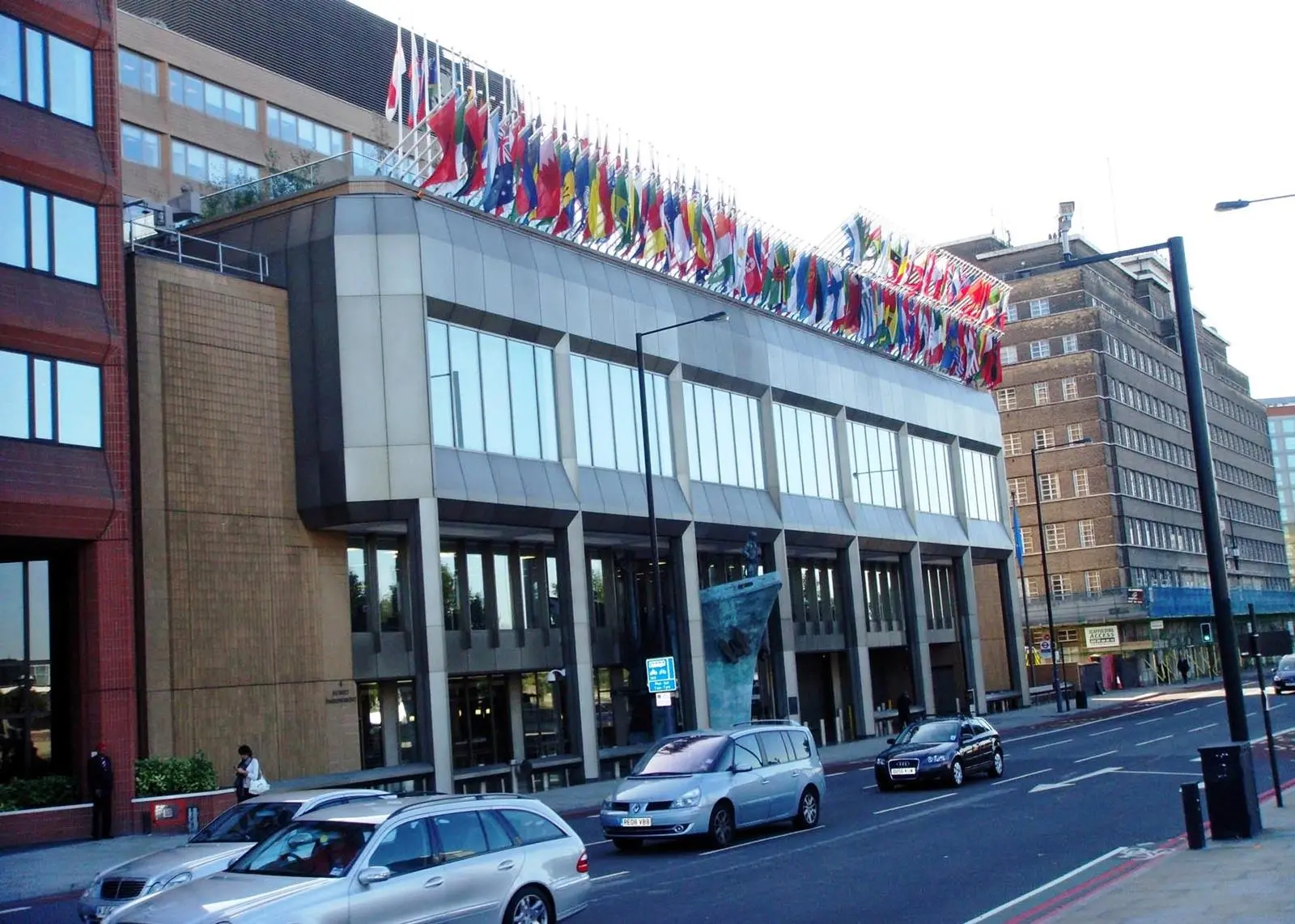
MEPC 80 is expected to be dominated by discussions relating to the reduction of Greenhouse Gas emissions from the maritime fleet, with no fewer than three significant issues due to be considered.
Foremost among these will the revision of the IMO’s 2018 Greenhouse Gas Strategy. The draft 2023 GHG Strategy will be discussed at the intersessional working group on the reduction of greenhouse gas emissions from ships (ISWG-15), which will meet in closed session during the final week of June 2023.
The Motorship notes that proposals to extend the scope of the IMO’s decarbonisation target to full decarbonisation by 2050 will be discussed at ISWG-15, with a number of influential IMO member states understood to be lobbying intensively behind the scenes for the more ambitious decarbonisation objective to be adopted.
The current decarbonisation target has been superseded by local decarbonisation objectives in the EU and North America, as well as by company level announcements. However, concerns remain about how states in the Global South will afford the significant level of investment required to meet high decarbonisation targets.
As the issue generates strong passions on either side of the debate, it is unclear whether ISWG-15 will recommend that the maritime sector adopt a target of full decarbonisation by 2050. Whatever the ISWG-15 recommends, we can expect the issue to remain a high-profile challenge for the shipping sector.
LCA approach to alternative fuels
By comparison, the draft guidelines on the lifecycle greenhouse gas intensity of marine fuels is expected to be less contentious. The draft guidelines have been submitted for consideration at MEPC 80, where the finalised guidelines are likely to be approved.
The introduction of an LCA approach is intended to permit a fairer comparison between conventional fuels and low emission and zero emission alternatives, such as hydrogen and ammonia. The existing approach ran the risk of incentivising the uptake of hydrogen vectors, without taking into account emissions produced during their production step.
Mid and long-term measures for development
The third discussion will relate to the choice of mid and long-term measures that the Committee will consider.
A number of different schemes have been put forward, including a universal greenhouse gas levy (or carbon levy), and a cap and trade system for environmental emissions. Other proposals relate to the creation of funds to provide funding for sustainable fuels and technology, as well as a feebate mechanism.
The different proposals will be discussed at ISWG-15, before a shortlist of measures is put forward to MEPC 80 for consideration. No decision on implementation of the schemes will be taken at MEPC 80, but it is expected that a number of shortlisted schemes will be identified for further development
Related Articles
 METHANOL
 MONITORING, CONTROL & DIGITALISATION
 MONITORING, CONTROL & DIGITALISATION