



Low sulphur fuel dangers, by UK P&I Club
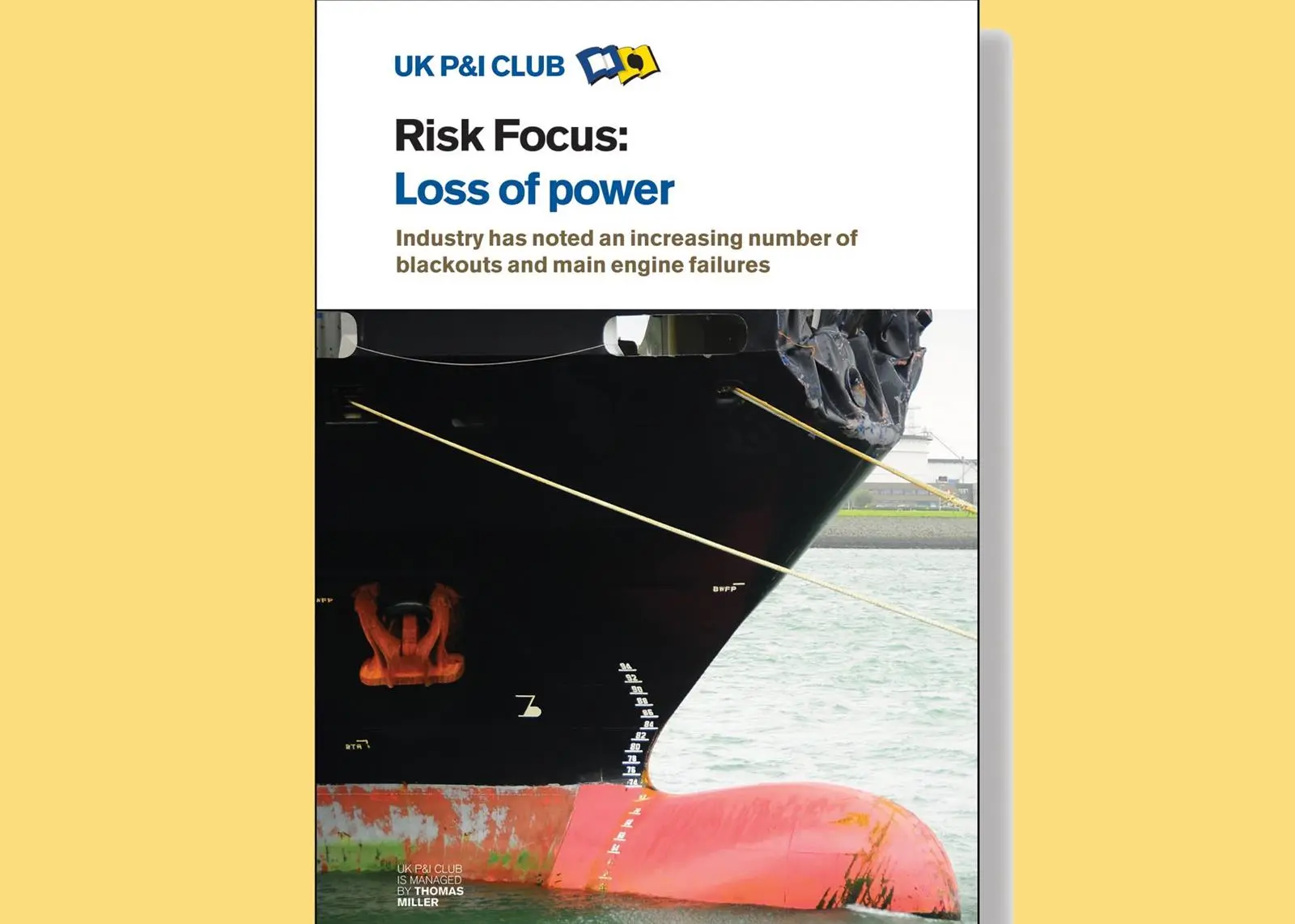
In the bulletin, the Club highlights causes of sudden loss of power and proposes mitigating procedures that ships’ crew should adopt. Main engine failures or electrical blackouts now amount to 7% of its third party claims property damage in monetary terms. Ships effectively out of control as a result have caused extensive damage, and resulted in costly collision and grounding claims.
The UK Club’s risk assessors have analysed more than 700 claims, which suggest a trend resulting from compliance with the low sulphur fuel regulations and changing from one grade of fuel to another may have exacerbated problems often encountered in confined waters or during entering or leaving port.
Reports from pilots, operating in emission control areas where fuel grade changes have been implemented, indicate that these problems have become quite widespread, noting that ships regularly seem to be experiencing power losses, invariably at critical times in their manoeuvres and which are attributed to ‘fuel problems’. The US Coast Guard too has noted a marked increase in incidents in its newly-created ECAs after vessels lost propulsion, and has linked many of these incidents operation on marine distillate fuels.
The Club says that consequences of main engine failures or blackouts can be little short of disastrous, in terms of the enormous third party property damage claims which can result.
A high proportion of blackouts to generating engines can be attributed to blocked fuel filters. The club recommends that engineers should be more thorough when cleaning filters and be aware that if a vessel changes over from HFO to marine gas oil, the MGO may act like a solvent, releasing any asphaltenes which can clog the fuel filters and strainers.
As the Club says, an extending network of ECAs around the world may well see the problems multiplying. For example, it was reported that 60% of ships took up to 12 hours to change the main engine over from one type of fuel to another.
Related Articles
 ALTERNATIVE FUELS & LUBRICANTS
 GENERAL NEWS
 GENERAL NEWS