



Machinery inspection deficiencies
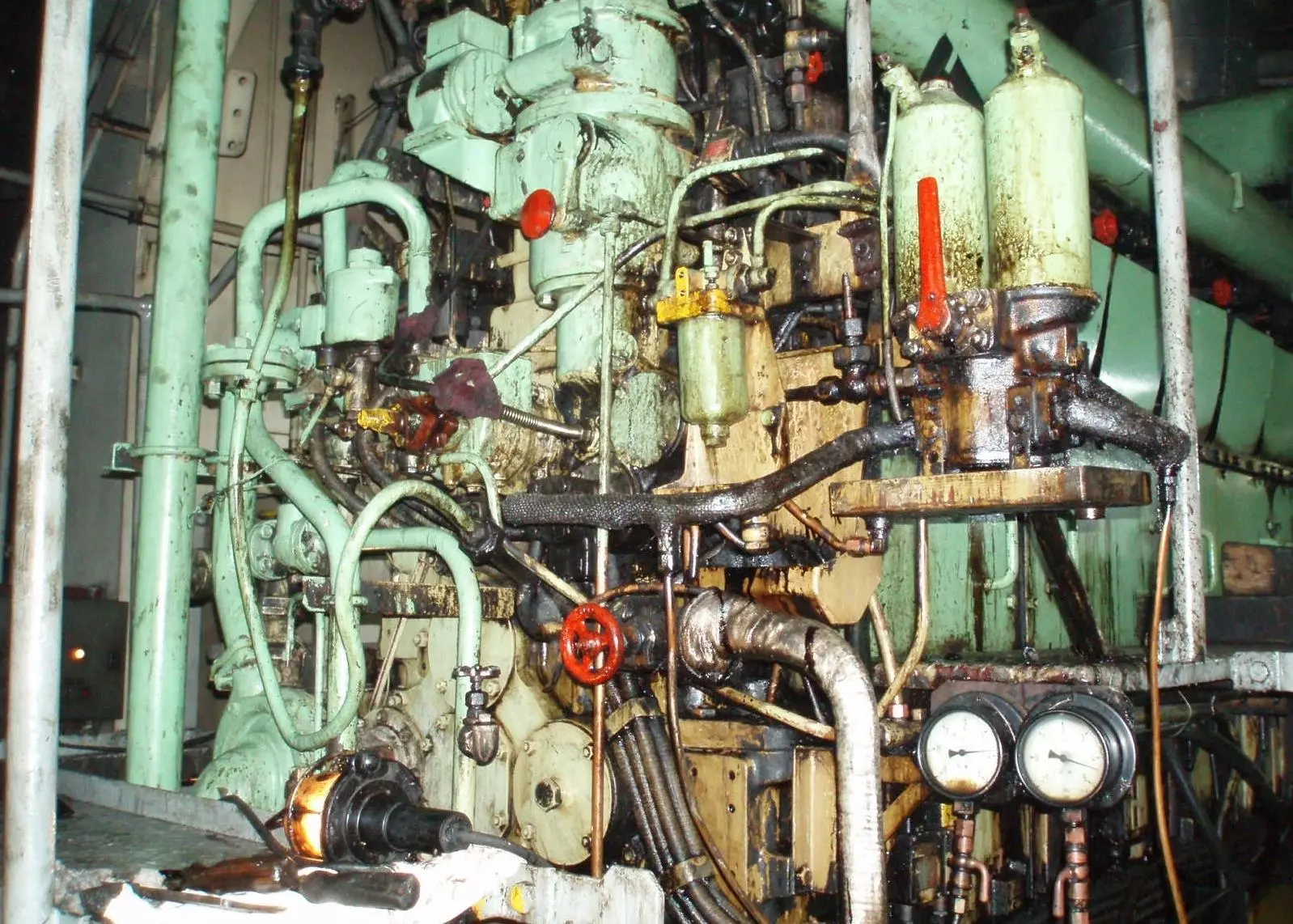
The CIC, carried out between September and November 2013, showed that the main causes of detention were related to the cleanliness of the main engine and engine room, the emergency source of power or generator and emergency lighting, batteries or switches.
More than half (54%) of all CIC-topic related detentions involved ships of 20 years or more. This category had a CIC-topic related detention rate of 3.6%, which compares unfavourably to the overall 1.8% CIC-topic related detention rate.
“This outcome illustrates that wear and tear of propulsion and auxiliary machinery remains an issue, which should be adequately addressed by ship owners”, said Richard Schiferli, Secretary General of the Paris MoU on PSC.
During the campaign, most inspections concerned general cargo/multi-purpose ships with 1,270 (33%) inspections, followed by bulk carriers with 805 (21%). Among the other detained ships were six oil tankers, four chemical tankers and three refrigerated cargo ships.
In total, CIC questionnaires were completed during 3,879 inspections on 4,126 individual ships. A total and 1,105 CIC-related deficiencies were recorded.
Most inspections were carried out on ships under the flags of Panama with 495 inspections, Liberia with 322 inspections, Malta with 317 inspections and Antigua and Barbuda with 246 inspections.
The flags with the highest number of CIC-topic related detentions were Tuvalu with one CIC-topic related detention during one inspection and Tanzania with six CIC-topic related detentions during 27 inspections.
Mr Schiferli added: “Results in the Black Sea MoU on Port State Control are very similar and I expect the Tokyo MoU to be similar as well. Maintenance in general is an issue on older ships, in particular when over 20 years. Mostly these ships have changed hands one or more times. And many times fly flags listed on our Black List (Tuvalu, Togo, Tanzania).”
Detailed results of the campaign will now be further analysed and findings will be presented to the 47th meeting of the Port State Control Committee in May 2014, after which the report will be submitted to the International Maritime Organization.
Related Articles
 ALTERNATIVE FUELS & LUBRICANTS
 GENERAL NEWS
 GENERAL NEWS